

Hastagiri Jain Tirth: A Serene Pilgrimage in Palitana, Gujarat
Nestled amidst the scenic Shatrunjaya hills near Palitana in Gujarat’s Bhavnagar district, Hastagiri Jain Tirth (also spelled Hasthagiri or Hastigiri) stands as a profound symbol of Jain devotion and architectural splendor. This sacred site, dedicated to Lord Rishabhdev (Adinath, the first Tirthankara), offers pilgrims and visitors a tranquil escape with breathtaking views and deep spiritual significance. Often overlooked in favor of the more famous Palitana temples on Shatrunjaya Hill, Hastagiri is a hidden gem that’s perfect for those seeking peace and a connection to ancient Jain traditions.
Historical and Spiritual Significance
The origins of Hastagiri trace back to ancient times. According to Jain scriptures, this hill—known as Hastisengiri—was established by Bharat Chakravartin, the eldest son of Lord Rishabhdev. Bharat, who became the first Chakravartin (universal emperor), attained moksha (salvation) here through fasting unto death. Legend has it that his royal elephant followed him in austerity and also ascended to the heavens, giving the hill its name: “Hasta” meaning elephant’s trunk and “Giri” meaning mountain.
Even today, ancient footprints (paduka) believed to be of Lord Rishabhdev are preserved in a small shrine on one of the hill’s peaks. The site is considered one of the extended sacred peaks of Mount Shatrunjaya, the holiest Jain pilgrimage center.
The modern temple complex was constructed and consecrated in 1979, inspired by revered Jain acharyas. It spans an impressive 9 acres and features a grand octagonal structure made of pristine white marble.
Architectural Marvels
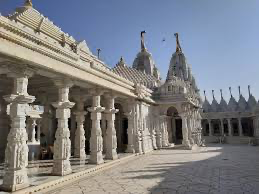
The main temple is an octagonal masterpiece with four idols of Lord Rishabhdev (Chaturmukhi) facing the cardinal directions in the central sanctum. The intricate dome near the garbhagriha (sanctum sanctorum) boasts carvings reminiscent of the famous Dilwara Temples in Mount Abu—delicate marble work that showcases exceptional Jain craftsmanship.
Surrounding the main shrine are 72 smaller Jinalayas (mini-temples) dedicated to various Tirthankaras, along with three hill forts and a spacious lecture hall. The entire complex exudes symmetry and serenity, with outward carvings depicting Jain motifs and deities.
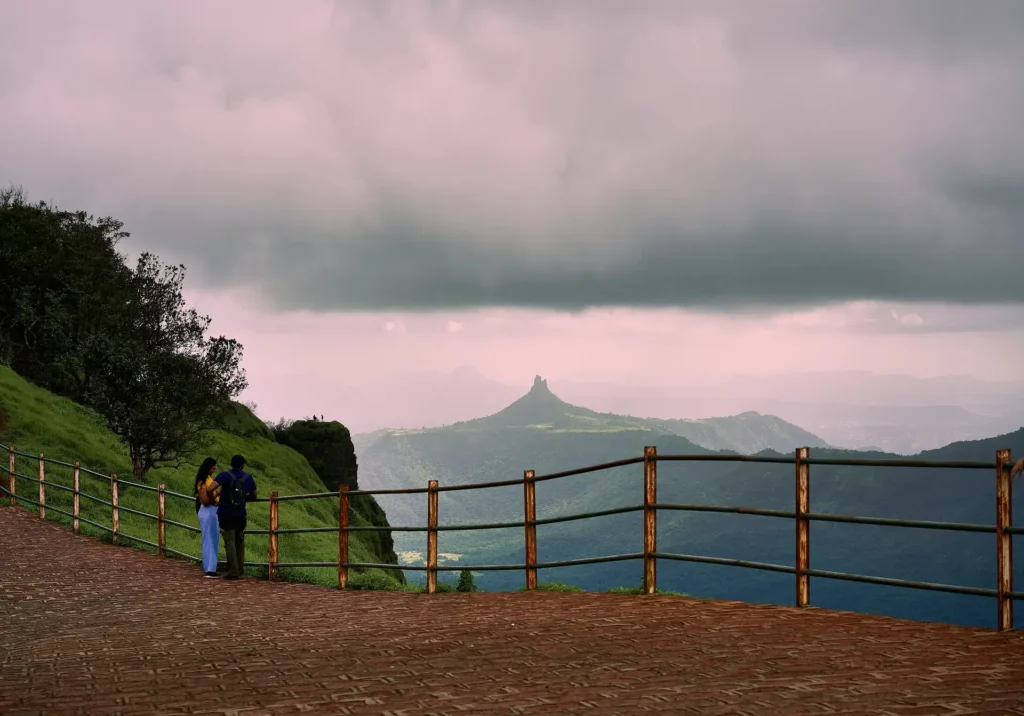
From the hilltop, visitors are rewarded with panoramic views: the sprawling Shatrunjaya temples on one side and Mount Kadamgiri on the other, framed by the flowing Shetrunjaya River below.
(Note: While specific high-quality images of Hastagiri are limited online, these captures highlight similar Jain architectural elements like multi-domed structures and hilltop settings seen in related sites.)
Visiting Hastagiri: Practical Tips
- Location: About 25 km from Palitana town, accessible via the Ahmedabad-Palitana Highway. The hill is reachable by road (drive up most of the way) or by climbing steps for a more traditional pilgrimage experience.
- Timings: Generally open from dawn to dusk; best visited early morning or evening for cooler weather and stunning vistas.
- Entry Fee: Free—no charges for entry or darshan.
- Facilities: Dharamshalas (pilgrim stays) and bhojanalayas (dining halls serving sattvic Jain food) are available at the base. Accommodation is simple and affordable.
- Best Time to Visit: October to March for pleasant weather. Avoid monsoons due to slippery paths.
- Nearby Attractions: Combine with a trip to Palitana’s 800+ temples on Shatrunjaya Hill (a must for Jain pilgrims) or explore other sites in Bhavnagar.
Hastagiri Jain Tirth embodies the core Jain principles of ahimsa (non-violence) and aparigraha (non-possession), offering a space for meditation and self-reflection. Whether you’re a devout Jain or a curious traveler, the site’s majestic architecture, rich history, and natural beauty make it a truly rewarding destination. If you’re planning a Gujarat pilgrimage, add this serene hilltop tirth to your itinerary—you won’t be disappointed!