


India is a land of incredible diversity—home to over 1.4 billion people, 22 official languages, countless dialects, and a tapestry of religions, traditions, and customs that vary from region to region. “Mastering” Indian culture is an ongoing journey rather than a destination, as no one, not even Indians, can claim to know it all. But preparing thoughtfully before your trip will deepen your appreciation, help you navigate social norms, avoid common pitfalls, and make your experience more enriching and respectful.
Here’s a comprehensive guide to immersing yourself in Indian culture from home.
1. Understand the Basics: Diversity and Unity in Diversity
India’s motto, “Unity in Diversity,” captures its essence. Hinduism, Islam, Christianity, Sikhism, Buddhism, and Jainism coexist, influencing everything from food to festivals. North India differs vastly from the South—languages, cuisine, clothing, and even pace of life.
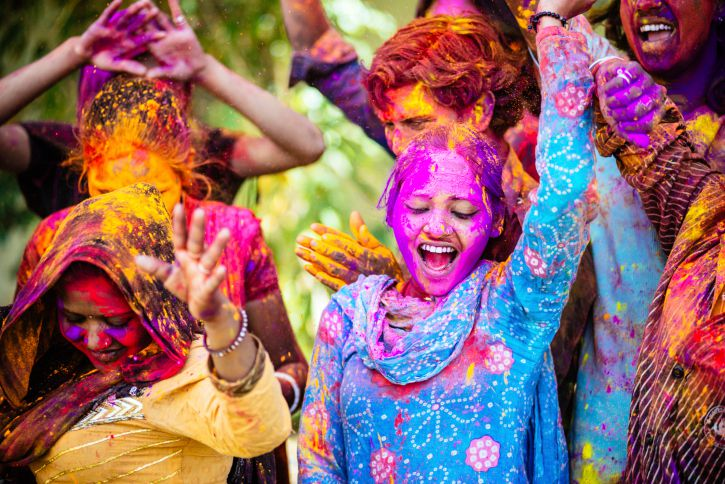
Start by recognizing:
- Regional Variations: Delhi’s bustling chaos contrasts with Kerala’s serene backwaters.
- Hospitality: Indians are famously warm and curious—expect personal questions (about marriage, salary, or family) as genuine interest, not intrusion.
- Time Flexibility: “Indian Stretchable Time” means things often run late; patience is key.
2. Learn Key Etiquette and Customs
Respecting local norms shows appreciation and earns goodwill.

Do’s:
- Greet with Namaste: Palms pressed together, slight bow—it’s respectful and contact-free.
- Remove shoes before entering homes or temples.
- Dress modestly: Cover shoulders and knees, especially at religious sites. Women might carry a scarf.
- Eat with your right hand (left is considered unclean for food).
- Bargain politely in markets—it’s expected and fun.
- Accept hospitality graciously; refusing food can offend.
Don’ts (Common Mistakes to Avoid):
- No public displays of affection.
- Avoid pointing feet at people or religious objects (feet are seen as impure).
- Don’t overuse “thank you” with close hosts—it can feel formal or distant.
- No beef for Hindus, no pork for Muslims—ask if unsure.
- Avoid left-hand gestures for giving/receiving items.
3. Dive into Books for Depth
Books offer nuanced insights into history, society, and daily life.
Recommended Reads:
- Fiction: Midnight’s Children by Salman Rushdie (magical realism on post-independence India).
- *The God of Small Things by Arundhati Roy (Kerala family dynamics).
- *Shantaram by Gregory David Roberts (Mumbai’s underbelly and spirit).
- Non-Fiction: India After Gandhi by Ramachandra Guha (modern history).
- *City of Djinns by William Dalrymple (Delhi’s layered past).
- *The Argumentative Indian by Amartya Sen (intellectual traditions).
- For wellness: Books on Ayurveda or yoga basics.
4. Watch Films to Visualize Culture
Bollywood and regional cinema showcase festivals, family values, music, dance, and social issues.

Must-Watch Movies:
- Lagaan (colonial era, cricket as metaphor for resistance).
- Dilwale Dulhania Le Jayenge (DDLJ) (family, romance, traditions).
- Swades (rural life, patriotism).
- Bajirao Mastani or Devdas (opulent historical dramas with classical dance/music).
- Pather Panchali (Satyajit Ray’s classic on rural Bengal).
- Monsoon Wedding (modern family chaos and joy).
- Mother India (iconic portrayal of resilience).
These films highlight song-and-dance sequences rooted in Indian storytelling traditions.
5. Explore Food, Festivals, and Arts
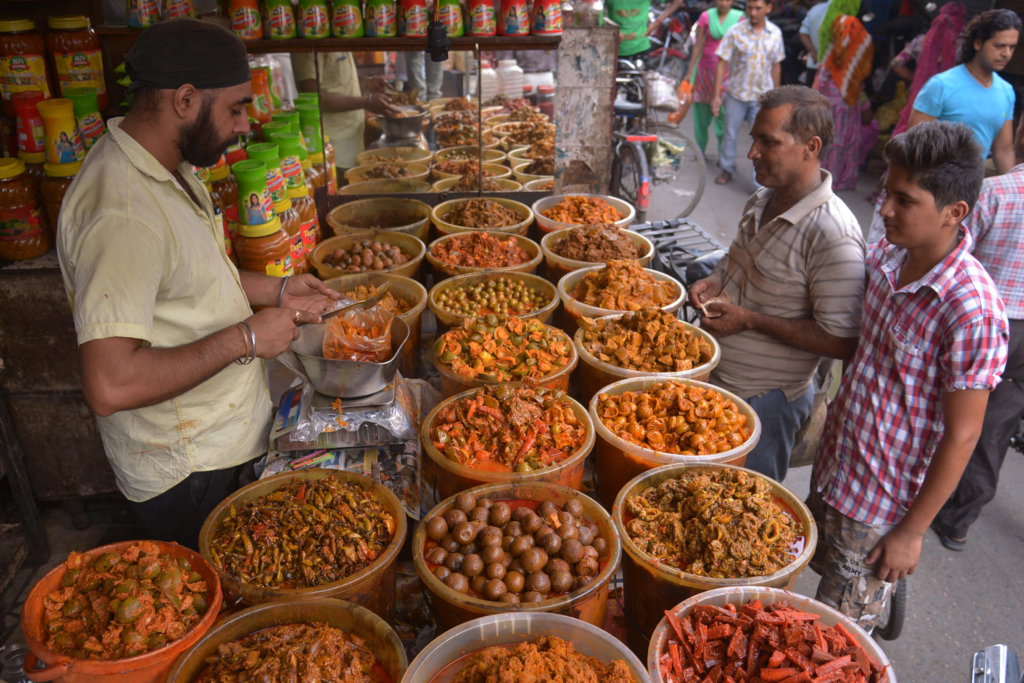
Cuisine: Try cooking simple dishes—dal, curry, biryani. Understand vegetarian dominance and spice levels. Street food is iconic but start mild.
Festivals: Learn about Diwali (lights), Holi (colors), Eid, Christmas variations.
Music & Arts: Listen to classical (Ravi Shankar), Bollywood soundtracks, or folk. Explore yoga/philosophy basics.
Landmarks: Familiarize with icons like the Taj Mahal.

6. Learn Basic Phrases
English is widely spoken, but a few Hindi words go far:
- Namaste (hello/goodbye)
- Dhanyavaad (thank you)
- Shukriya (thanks, Urdu influence)
- Haaji (yes), Nahin (no)
- Kitna? (how much?)
Apps like Duolingo or YouTube tutorials help.
Final Tips for Your Journey
- Stay open-minded: India can overwhelm senses—noise, crowds, colors—but embrace the chaos.
- Interact respectfully: Chat with locals; they’re often eager to share.
- Travel slowly: Focus on fewer places for deeper experiences.
By immersing yourself now, you’ll arrive not as a tourist, but as a curious traveler ready to connect. Safe journeys—your Indian adventure awaits! 🇮🇳