
India’s state birds are more than just symbolic representations—they reflect the richness and fragility of the country’s diverse ecosystems. While not all are officially classified as endangered, many have become increasingly rare in their natural habitats, surviving only in shrinking landscapes, remote wilderness, or highly specific ecological zones.
From the high-altitude wetlands of Ladakh to the dense forests of Northeast India and the rugged Himalayan terrain, spotting these birds is both a challenge and a privilege. Their rarity stems not only from declining populations but also from their elusive behavior and restricted habitats.
This guide explores India’s rarest state birds—species that are either endangered or incredibly difficult to encounter—along with the best places where you might still witness them in the wild.
Key Rare State Birds & Where to See Them
Great Indian Bustard – State Bird of Rajasthan
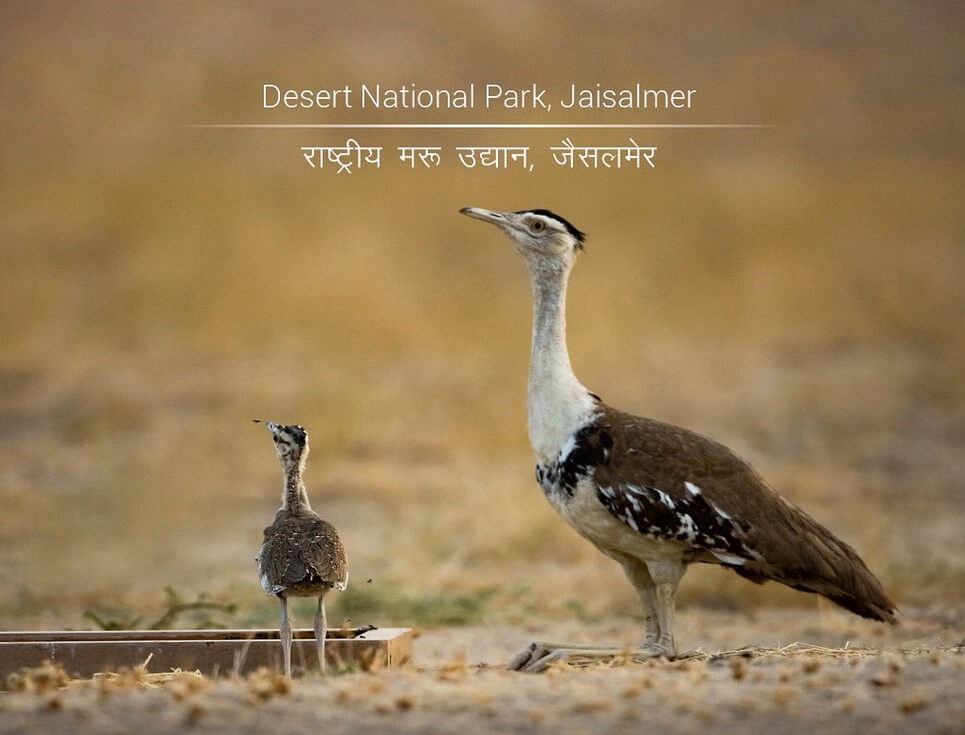
Perhaps no bird reflects India’s conservation crisis more starkly than the Great Indian Bustard. Once commonly seen across the country’s arid grasslands, this magnificent bird has now vanished from most of its former range and survives only in a few fragmented pockets. Today, Rajasthan remains its last significant stronghold.
The species faces severe threats, primarily due to habitat loss caused by agricultural expansion and infrastructure development. In recent years, collisions with overhead power lines have emerged as one of the deadliest dangers, significantly contributing to its rapid decline. With reports suggesting that fewer than 10 individuals remain in the wild, the situation is critical.
For those hoping to witness this rare bird, Desert National Park offers the best chance. The vast, open landscapes of this protected area provide one of the last remaining habitats where the Great Indian Bustard can still be spotted. Encouragingly, ongoing captive breeding and conservation initiatives are showing early signs of hope, aiming to revive the population of this iconic species.
White-winged Wood Duck – State Bird of Assam
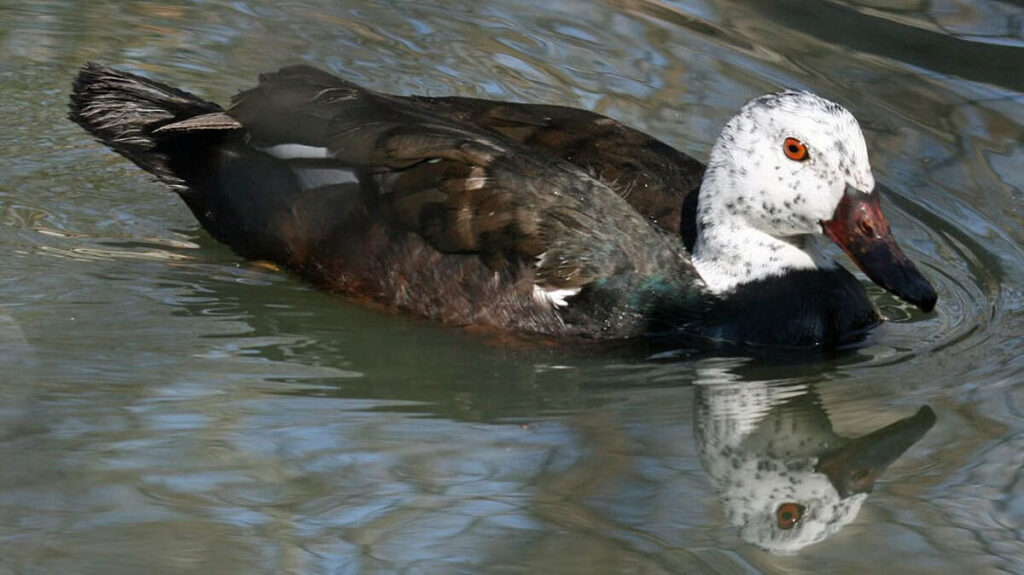
Unlike most ducks that thrive in open wetlands, the White-winged Wood Duck prefers isolation. It inhabits quiet, forested pools hidden deep within dense rainforest canopies, making it one of the most elusive waterbirds in India. Its secretive behavior and preference for undisturbed habitats make sightings exceptionally rare, even for experienced birdwatchers.
This species is highly vulnerable due to rapid deforestation and habitat fragmentation across Northeast India. As its forest homes shrink, so do its chances of survival. For those determined to spot this rare bird, the best opportunities lie in the pristine lowland rainforests of Dehing Patkai National Park and the remote wilderness of Namdapha National Park. These protected areas offer some of the last remaining strongholds where the White-winged Wood Duck continues to survive in the wild.
Blyth’s Tragopan – State Bird of Nagaland
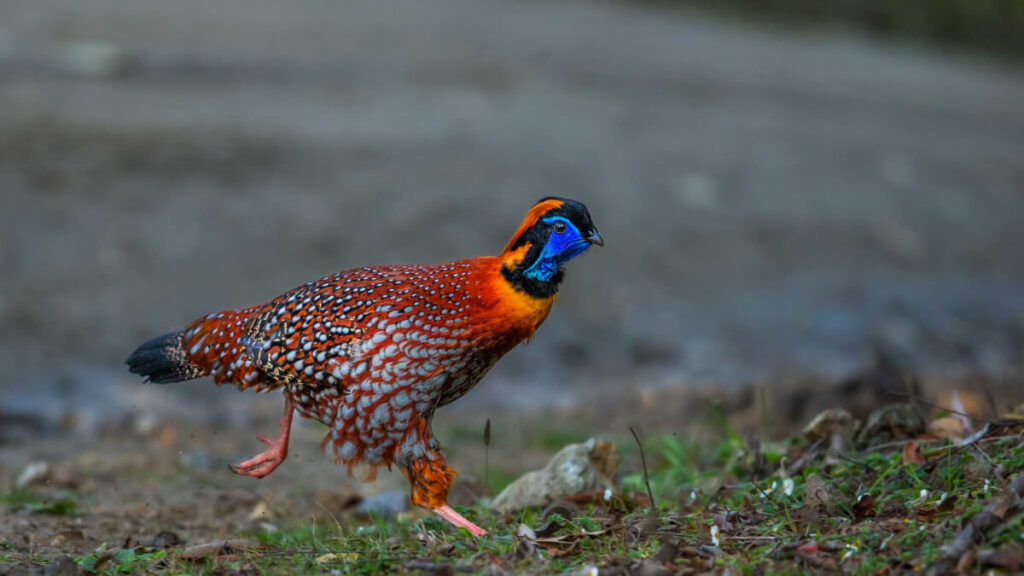
Often described as almost mythical due to its rarity, the Blyth’s Tragopan inhabits the high-altitude forests of Northeast India. With its striking plumage and secretive nature, this elusive pheasant is rarely seen in the wild, making every sighting a remarkable experience for birdwatchers.
Historically, the species faced severe decline due to extensive hunting, pushing it close to extinction in certain regions. However, dedicated conservation initiatives and community-led protection efforts have helped stabilize small populations in select areas. One of the best places to spot this rare bird is the Khonoma Nature Conservation and Tragopan Sanctuary, a pioneering conservation area known for its successful wildlife protection model.
Today, while still rare and difficult to encounter, Blyth’s Tragopan stands as a symbol of how sustained conservation efforts can help revive even the most threatened species.
Western Tragopan – State Bird of Himachal Pradesh
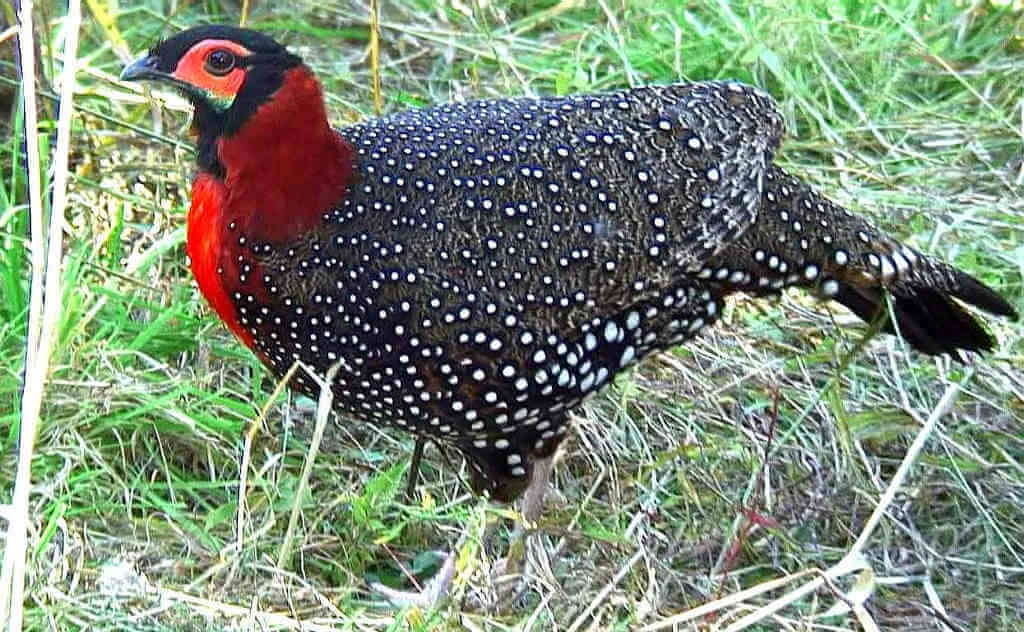
Widely regarded as one of the rarest pheasants in the world, the Western Tragopan inhabits the secluded temperate forests of the western Himalayas. With a small and fragmented population, this elusive bird survives only in remote, high-altitude habitats that are difficult to access.
One of its most important strongholds is the Great Himalayan National Park, a UNESCO World Heritage Site known for its rich biodiversity and pristine forest ecosystems. Even here, sightings are far from guaranteed. The Western Tragopan is famously shy and well-camouflaged, often remaining hidden within dense vegetation.
For birdwatchers, this is not a species one expects to see easily—it is one they hope to encounter with patience, persistence, and a bit of luck. Even seasoned birders may spend days in its habitat without a single sighting, making any glimpse of this magnificent bird truly special.
Mrs Hume’s Pheasant – State Bird of Mizoram and Manipur
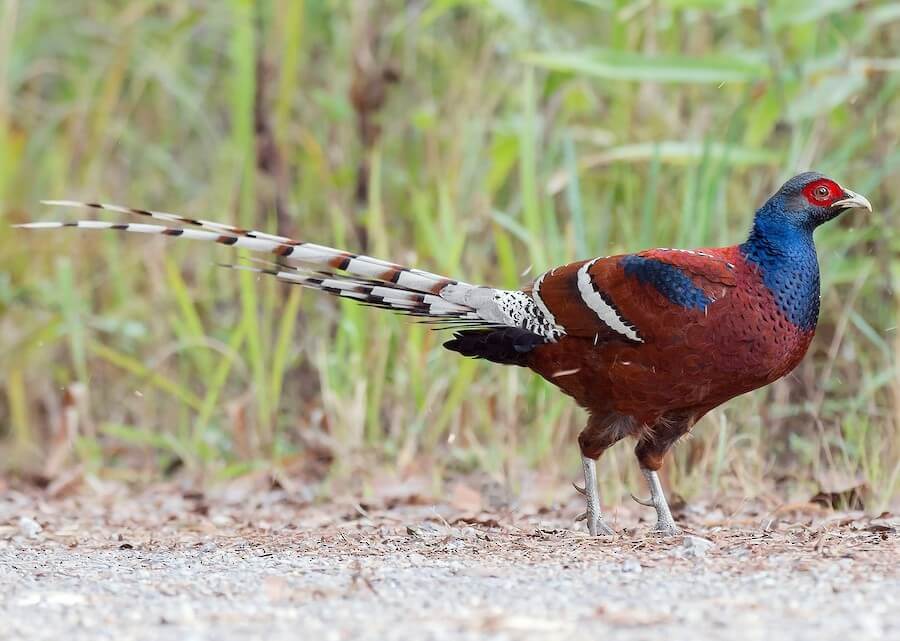
Graceful yet understated in appearance, the Mrs Hume’s Pheasant is known for its long tail and muted, earthy plumage. It inhabits the forested hills of Northeast India, particularly across Mizoram and Manipur, where it quietly survives in fragmented habitats.
This species faces continuous threats from habitat degradation and hunting, leading to a noticeable decline in its population. Despite this, it can still be spotted in select pockets of Mizoram and occasionally around Keibul Lamjao National Park—the world’s only floating national park. However, sightings are rare and unpredictable.
Much of its habitat remains underexplored from a birding perspective, which adds to the bird’s mysterious and elusive nature. For wildlife enthusiasts, encountering Mrs Hume’s Pheasant is less about certainty and more about venturing into untouched landscapes where rare biodiversity still quietly persists.
Black-necked Crane – State Bird of Ladakh
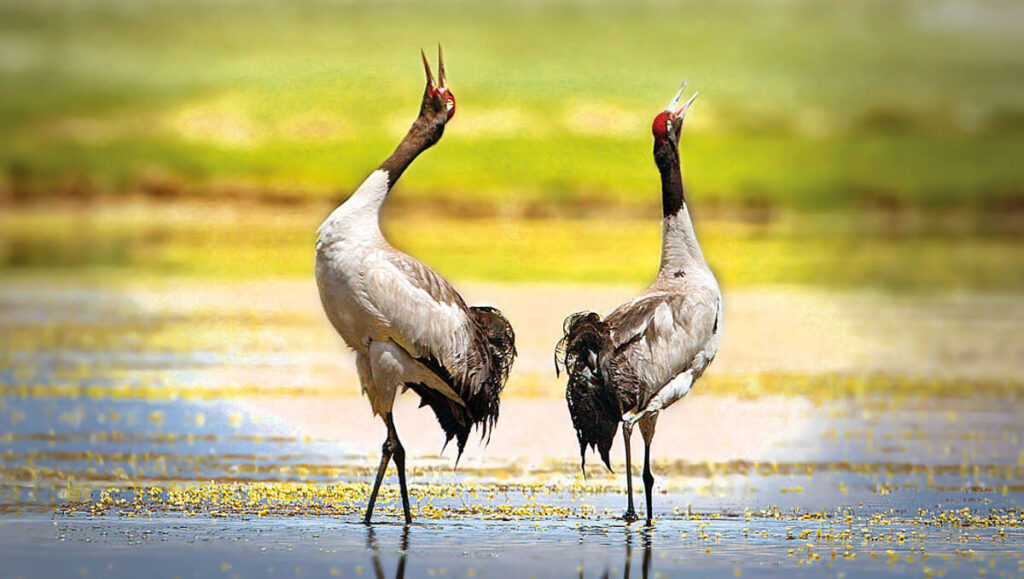
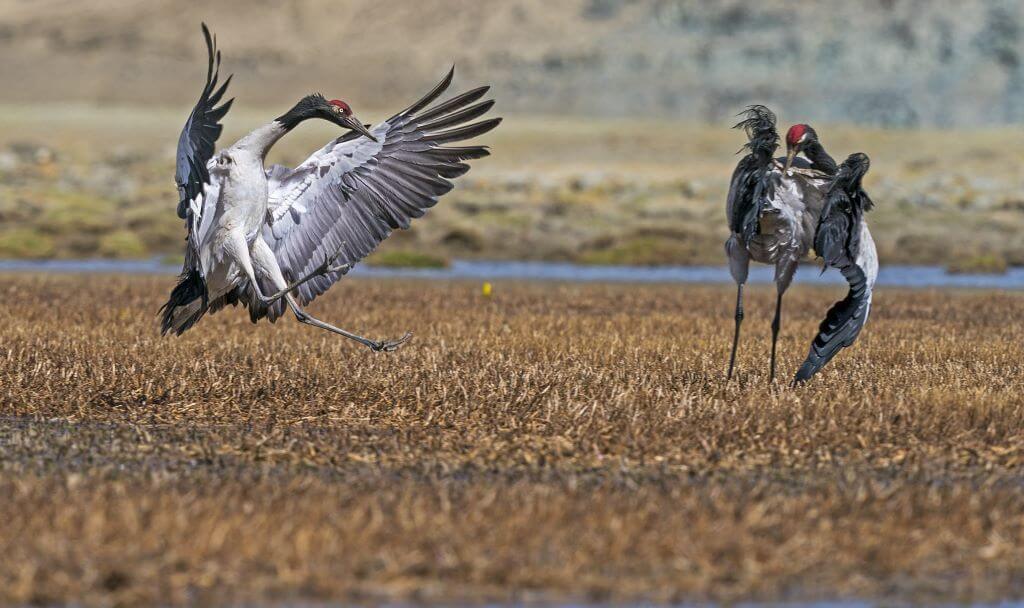
The Union Territory of Ladakh officially adopted the Black-necked Crane as its state bird in September 2021. Unlike most crane species, this remarkable bird breeds at high altitudes, making it one of the most range-restricted and specialized birds in India.
Its population remains small and highly sensitive to environmental changes. Increasing infrastructure development, habitat disturbance, and fluctuations in water availability across Ladakh’s cold desert ecosystem pose significant threats to its survival. As a result, the species is particularly vulnerable during its breeding season.
For birdwatchers, the only realistic opportunity to spot the Black-necked Crane is in and around Tso Moriri Lake in the Changthang region. Even here, sightings are seasonal and largely limited to the breeding months, when these elegant birds arrive to nest in the tranquil high-altitude wetlands.
Spotting a Black-necked Crane in the wild is a rare and rewarding experience—one that reflects both the fragility and resilience of life in one of India’s most extreme landscapes.
Himalayan Monal – State Bird of Uttarakhand
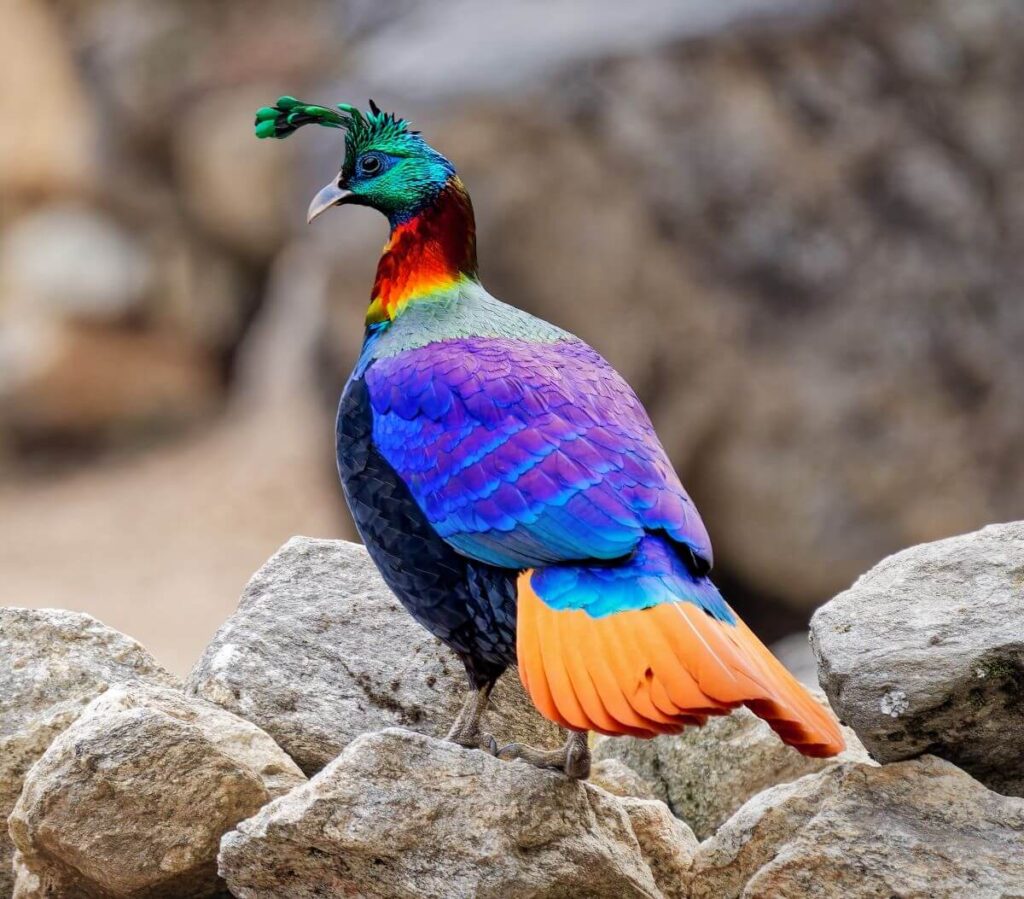
Renowned as one of the most beautiful birds of the Himalayas, the Himalayan Monal captivates with its iridescent plumage. Yet, despite its fame, spotting this bird in the wild is far from easy. Once heavily hunted and now affected by the gradual loss of alpine habitats, its presence in the wild has become less common than many expect.
In Uttarakhand, some of the best chances to encounter the Himalayan Monal are in the high-altitude zones of Kedarnath Wildlife Sanctuary and the alpine meadows around Chopta. However, sightings are never guaranteed.
These birds are highly habitat-specific and prefer steep, undisturbed slopes with minimal human presence. Early mornings offer the best opportunity, when they descend slightly to forage. Even then, spotting a Himalayan Monal requires patience, silence, and a bit of luck—making every sighting a truly rewarding experience for birdwatchers.
FAQs – India’s Rarest State Birds
The Great Indian Bustard is considered one of the rarest, with extremely low population numbers remaining in the wild.
You can visit places like Desert National Park (Rajasthan), Tso Moriri (Ladakh), and Northeast India’s forests for the best chances.
Some are critically endangered, while others are rare due to habitat loss and limited distribution.
Early mornings and breeding seasons offer the highest chances of sightings.
They live in remote areas, are highly elusive, and often inhabit difficult terrains.