
Estd. 1990
-
 Gujarat Toursim
-
 IATO -
Indian Association of Tour Operators
IATO -
Indian Association of Tour Operators
 +91-9811175768


Antriksh Ji Jain Tirth Yatra Shirpur
Duration
02 Nights / 03 Days
Places Covered
Shirpur Maharashtra
Antriksh Ji Jain Tirth Yatra, Shirpur Maharashtra
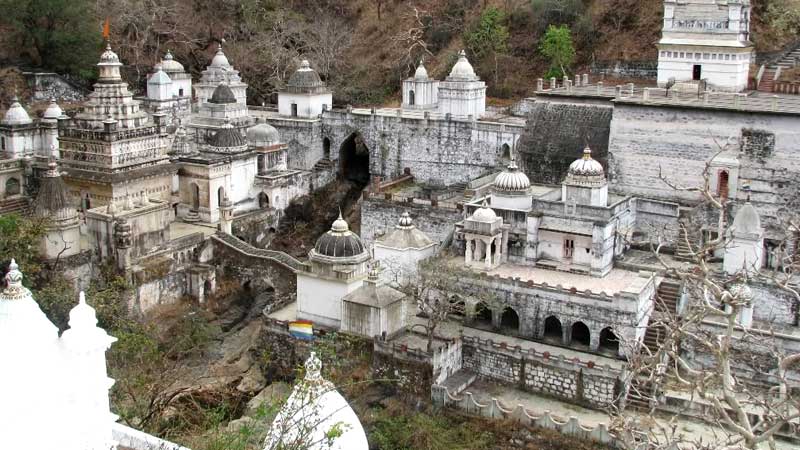
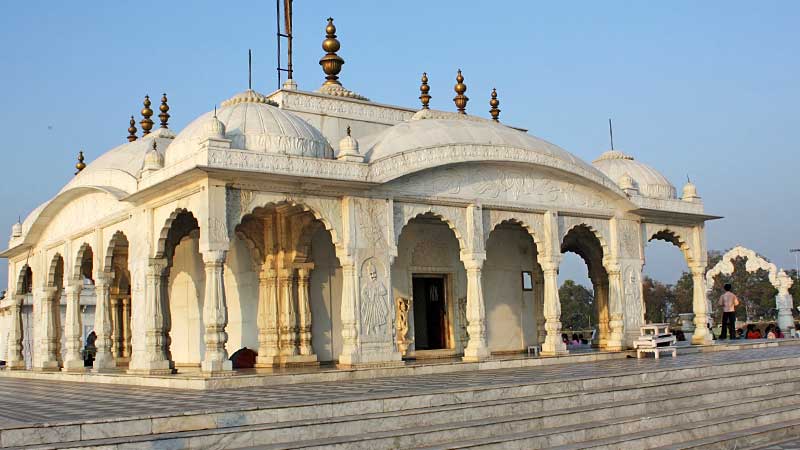
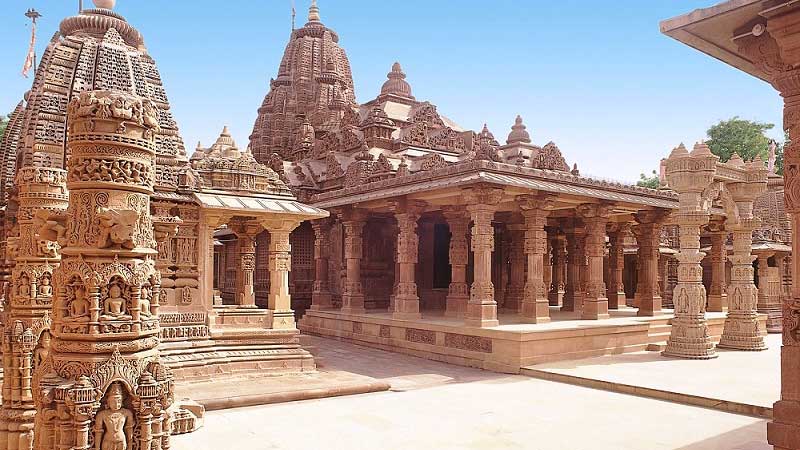
Shri Antriksh Ji Digambar Jain Tirth, located in Shirpur, Maharashtra, is a spiritually powerful Jain pilgrimage site devoted to Lord Antriksh Dev. The word “Antriksh” symbolizes the sky or cosmic space, and devotees believe that worshipping here helps in overcoming karmic influences and achieving inner peace. The temple’s serene atmosphere makes it a perfect destination for spiritual rejuvenation.
The sacred history of Antariksha Parshwanath Bhagwan, a divine and miraculous manifestation of Parshvanatha, is deeply rooted in devotion, faith, and spiritual wisdom. This revered Jain tirth holds a unique place in India due to its extraordinary origin and enduring miracles.
According to ancient Jain traditions, the story dates back to the time of Munisuvrat Swami. During this era, a celestial being named Vidyadhar Khar—believed to be associated with Ravana—was a devoted follower of Parshwanath Bhagwan. He strictly observed the vow of Navkarshi, performing it only after proper worship. One day, when his attendants forgot to bring the idol for worship, he created a temporary idol using cow dung and clay. With deep faith and reverence, he completed his rituals and later immersed the idol in a well, unknowingly initiating a divine chain of events.
Centuries later, around 950 years ago, King Shripal of Achalpur was suffering from severe leprosy. After exhausting all remedies, he renounced his kingdom and wandered in despair. Destiny led him to the very well where the sacred idol had been immersed. Upon drinking its water, he experienced a miraculous cure. This not only restored his health but also renewed his faith.
Soon after, he received divine guidance from Dharnendra Dev, who instructed him to retrieve the idol with unwavering faith and warned him not to look back while doing so. As the king proceeded, the idol followed him through divine power. However, overcome by doubt, he turned back—and at that moment, the idol rose into the air and remained suspended beneath a tree. This miraculous घटना gave the deity the name “Antariksha,” meaning “in the sky.”
Filled with devotion, King Shripal decided to build a grand temple. However, despite repeated efforts, the idol would not enter the temple. Confused, he again sought guidance from Dharnendra Dev, who revealed that the obstacle was the king’s growing pride. The desire to associate his name with the miracle had created a spiritual barrier, teaching that divine grace flows only through humility.
Realizing his mistake, the king surrendered his ego and invited the great Jain Acharya Acharya Abhaydev Suri. Under his guidance, a temple was constructed through the collective and selfless efforts of the Jain Sangh. In Vikram Samvat 1142, on the auspicious day of Magh Shukla Panchami, the idol was ceremoniously installed during Vijay Muhurat. Miraculously, it remained slightly above the ground, defying natural laws and reinforcing its divine nature. King Shripal then established the town of Shripur and dedicated his life to devotion.
The spiritual significance of this tirth continued to grow. In the 18th century, a revered Jain monk, Bhavvijayji Gani Maharaj, lost his eyesight due to extreme heat. Upon his Guru’s advice, he worshipped Goddess Padmavati, who appeared to him and revealed the complete history of Antariksha Parshwanath. She guided him to visit the sacred site, where he miraculously regained his eyesight after darshan.
Inspired by such divine experiences, the temple was later expanded. In Vikram Samvat 1715, on Chaitra Shukla Shashti, the idol was re-established facing east. Even today, it is believed that the idol remains slightly above the ground—approximately the height of a finger—continuing to symbolize its miraculous origin and divine presence.
This sacred tirth attracts countless devotees from across the world who seek blessings for health, peace, and spiritual upliftment. The story of Antariksha Parshwanath Bhagwan continues to inspire generations with a powerful message: true devotion, unwavering faith, and humility are the keys to experiencing divine grace.
The 2 Nights / 3 Days Jain travel itinerary is specially curated for spiritual seekers, families, and senior citizens, ensuring sufficient time for darshan, rituals, and meditation. Comfortable transportation, Jain-friendly meals, and nearby temple visits are included to provide a complete pilgrimage experience.
Many visitors choose to perform special puja, bhakti programmes, or conduct prabhavana (religious donation) activities here. The energy of this tirth is considered highly positive, making it a recommended place for Jain Yatras, group trips, and family spiritual tours.
FAQ About Antriksh Ji Jain Tirth Yatra
Q. What is the religious importance of Shri Antriksh Ji Digambar Jain Mandir?
The temple is believed to be spiritually powerful, helping devotees achieve peace and positivity. Antriksh Ji Yatra in Shirpur, Maharashtra is known for bringing relief from karmic effects and promoting spiritual growth.
Q. How many days are required for Antriksh Ji Jain Tirth Yatra?
A 2 Nights 3 Days Jain travel itinerary is ideal for darshan, rituals, and temple visits. You can also extend the package to include nearby Jain tirths.
Q. Which is the nearest railway station to Shirpur Jain Temple?
The nearest railway stations to Shri Antariksha Parshwanath Jain Temple are:
Closest Station: Washim (approx. 19–30 km)
Major Station: Akola (approx. 70–75 km)
Washim is the nearest, but it has limited train connectivity. Akola is the most preferred option due to better train availability and smoother onward travel to Shirpur via taxi or private vehicle.
Closest Station: Washim (approx. 19–30 km)
Major Station: Akola (approx. 70–75 km)
Washim is the nearest, but it has limited train connectivity. Akola is the most preferred option due to better train availability and smoother onward travel to Shirpur via taxi or private vehicle.
Q. Is this Jain tour package suitable for senior citizens and families?
Yes, the Shirpur Jain pilgrimage is senior-friendly with smooth travel, comfortable stay options, and minimal walking requirements.
Q. Do you provide Jain food (without onion and garlic) during the Yatra?
Absolutely. All meals can be arranged as pure Satvik Jain food, and fasting meals can also be provided on prior request.
Q. Can special puja or Samayik be organized at Antriksh Ji Temple?
Yes, Samayik, Abhishek, Shanti Path, and spiritual discourses can be arranged with prior temple coordination.
Q. What other Jain temples can be visited near Antriksh Ji Tirth?
Nearby attractions include Chintamani Parshwanath Temple, Shantinath Jain Mandir, and local teerth sites. Extended itineraries can cover Kesariyaji, Indore Jain Temples, and Nashik Jain Shrines.
Q. Do you offer group or mandal-based Jain Yatra packages?
Yes, customized group Yatra and Sangh-based Jain pilgrimage packages are available with dedicated guides and dharamshala arrangement.
Q. What is the best time to visit Antriksh Ji Jain Tirth in Shirpur?
Ideal months are October to March due to pleasant weather. However, monsoon season offers a peaceful spiritual setting.
Q. Are dharamshala stay options available?
Yes, Jain dharamshala lodging can be arranged on request, subject to availability, along with hotel options.
Q. Can this itinerary be extended to include Mount Abu or Shani Shingnapur?
Yes, extended 3N/4D or 4N/5D Jain tours can include Mount Abu Dilwara Temples, Ranakpur Jain Mandir, Shani Shingnapur, or Nashik.
Q. What is the nearest airport to Antariksh Parshwanath Jain Temple?
The nearest airport is
Nanded Airport (NDC): Approximately 147 km away.
Aurangabad Airport: Located approximately 150–180 km from Shirpur.
Nanded Airport (NDC): Approximately 147 km away.
Aurangabad Airport: Located approximately 150–180 km from Shirpur.
Tour Itinerary
Day 1 Arrival – Aurangabad to Shirpur
Arrive at Aurangabad by flight or train. From here, begin your comfortable drive to Shirpur, which takes around 3 to 4 hours. The journey is smooth and passes through peaceful rural landscapes.
After reaching Shirpur, check in at a Dharamshala or a simple hotel. In the evening, visit the sacred Shri Antariksha Parshwanath Jain Temple.
The temple is dedicated to Parshwanath and is famous for its unique idol, believed to be floating (Antariksh).
You may also visit nearby local Jain temples. Enjoy simple Jain food and rest overnight in Shirpur.
Overnight: Dharamshala / Hotel
Day 2 Shirpur to Aurangabad via Jain Temples
Start your day with early morning darshan at Antariksh Ji. After breakfast, proceed towards Aurangabad.
On the way, visit Kachner Jain Temple, a peaceful and ancient Jain tirth ideal for quiet reflection. Kachner is a small village located about 37 km from the well-known city of Aurangabad. The village is home to a revered temple where the idol of Lord Chintamani Parshvanath is installed. This sacred idol was discovered nearly 250 years ago in an underground basement. Known for its beauty and spiritual significance, the idol is believed to be miraculous—fulfilling the wishes of devotees and freeing them from worries and troubles.
There is an interesting story behind the discovery of this divine idol. Around 250 years ago, a cow used to mysteriously release her milk every day at a particular spot. An elderly woman noticed this unusual behavior and began observing it closely. One day, she tried to stop the cow by tying it at home, but the cow broke free in the evening and returned to the same spot to pour her milk. Surprised by this घटना, the woman informed the villagers. Curious and amazed, the villagers decided to dig at the spot. After continuous digging, they discovered the entrance to an underground chamber where the beautiful idol of Parshvanath, adorned with seven serpent hoods, was found. Later, a temple was constructed at the same place and the idol was installed there.
Years later, a strange incident occurred—the idol suddenly broke at the neck and fell apart. The villagers were shocked and deeply saddened. After much discussion, they decided to bring a new idol of Lord Mahaveer from Jintur and planned to immerse the broken idol in a nearby pond. However, before doing so, a devotee named LachhiRam Kasliwal had a divine dream in which he was instructed not to immerse the idol. Instead, he was told to place it in a pit inside a room in the temple, fill the pit with ghee and sugar, and keep it closed.
The villagers followed these instructions faithfully and continued prayers and worship for seven days and nights. When the room was opened, they were amazed to see that the idol had miraculously rejoined as if it had never been broken, though a faint mark of the break remained visible.
If time permits, you can also explore the famous Ajanta Caves, which are among India’s greatest artistic treasures. Dating back to the 2nd century BC, these 30 rock-cut Buddhist caves were used by monks for prayer, meditation, and teaching. Admire the magnificent murals and frescoes depicting the life of Lord Buddha, scenes from Jataka tales, and intricate carvings that showcase India’s ancient artistic excellence. The serene surroundings and historical depth make Ajanta an unforgettable experience.
By evening, reach Aurangabad and check into your hotel. Enjoy dinner and a comfortable overnight stay.
Overnight: Dharamshala / Hotel
Day 3 Ellora Jain Caves and Departure
After breakfast, proceed for a morning excursion to Ellora Jain Caves.
These ancient caves date back to the 9th century and feature detailed carvings of Jain Tirthankaras. Ellora Caves (UNESCO World Heritage Site), an extraordinary complex of 34 rock-cut temples and monasteries carved into the Charanandri Hills. These caves represent three major faiths — Buddhism, Hinduism, and Jainism — coexisting harmoniously. Marvel at the stunning Kailasa Temple (Cave 16), a monolithic structure dedicated to Lord Shiva, renowned for its architectural grandeur and intricate sculptures.
After sightseeing, return to Aurangabad for your departure. You will be dropped at the airport or railway station with divine memories of the yatra.
END OF OUR SERVICES
Make Your Trip Now
Vardhman's Pure Veg Kitchen




MOST POPULAR PACKAGES


$ 250
6 Nights / 7 Days
Golden Triangle Vacation Tour
India’s golden triangle is a tourist circuit which includes: Delhi, Agra (including the Taj Mahal), and Jaipur. These trips usually 7 days and do the trip as a circuit starting and ending in Delhi.
View Package
$ 700
16 Nights / 17 Days
Rajasthan colorful Tour
Coloruful Rajasthan Tour is one of the most popular circuit of India. This tour package accommodates you to endure Rajasthan in all its different colors.
View Package
$ 565
10 Nights / 11 Days
Rajasthan Cultural Tour
The Rajasthan state represents an unusual diversity in all its forms - people, culture, customs, costumes, cuisine, dialects and music and haveli's.
View Package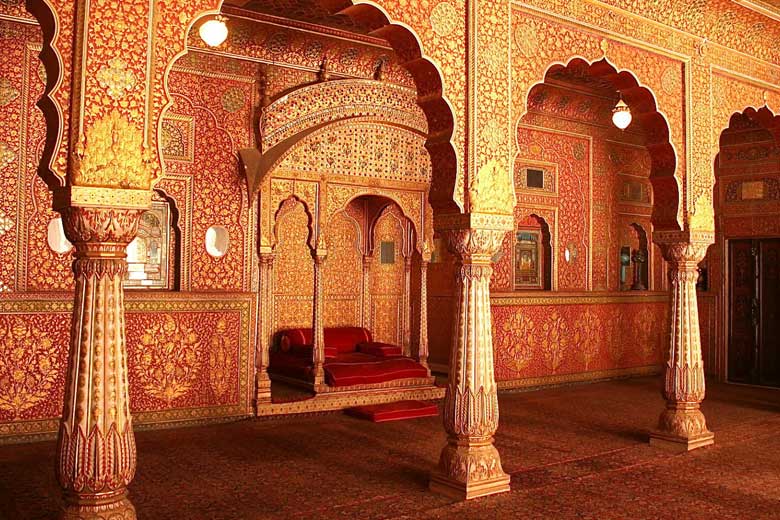
$ 640
12 Nights / 13 Days
Rajasthan Fort & Palace Tour
Rajasthan is famous all over the world for its stunning forts and palaces that have been gloriously standing since decades in this princely state.
View Package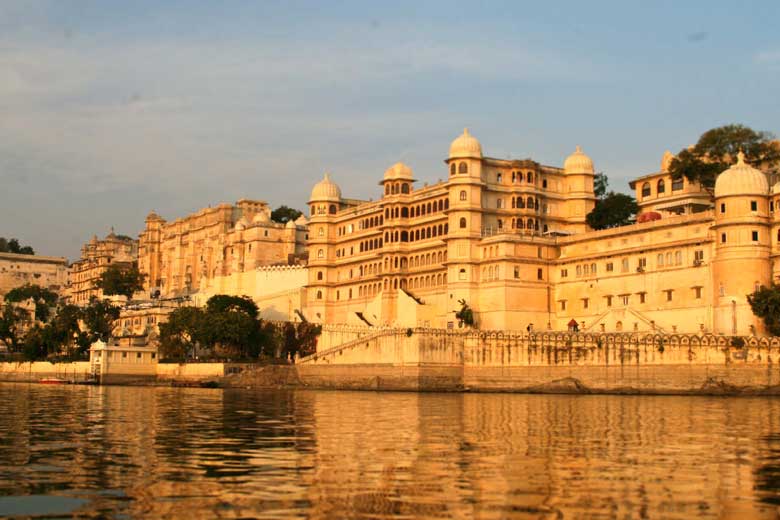
$ 645
11 Nights / 12 Days
Rajasthan Heritage Tour
Rajasthan known as the "land of kings"provides some marvelous marks from the history in the form of its forts, palaces, mansions and haveli's.
View Package
$ 280
06 Nights / 07 Days
Rajasthan Wildlife Tour
The name Rajasthan has a habit of invoking the images of sun-bathed sand dunes of the Thar Desert, the rustic turban and mustache of Rajasthani men and women’s ghagra.
View PackageFind related packages
