

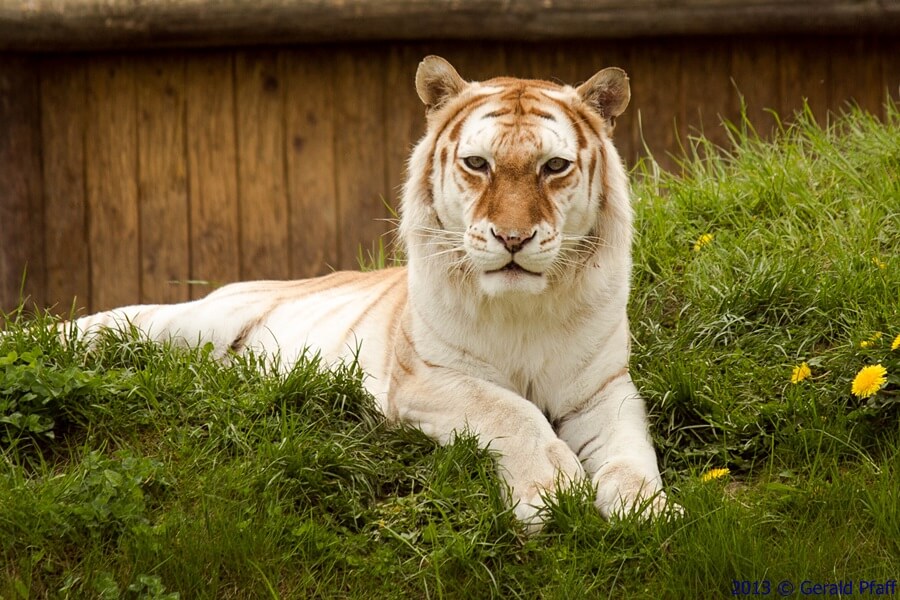
India is globally renowned for its rich biodiversity and is home to some of the rarest big cats on Earth. Beyond the famous tiger safaris, the country offers a chance to witness extraordinary genetic variants and elusive predators like the black panther, golden tiger, and snow leopard.
If you’re a wildlife enthusiast or planning a safari tour, this detailed guide will help you discover where to spot rare big cats in India, best times to visit, safari tips, and travel insights.
Golden Tiger – India’s Rarest Tiger Variant
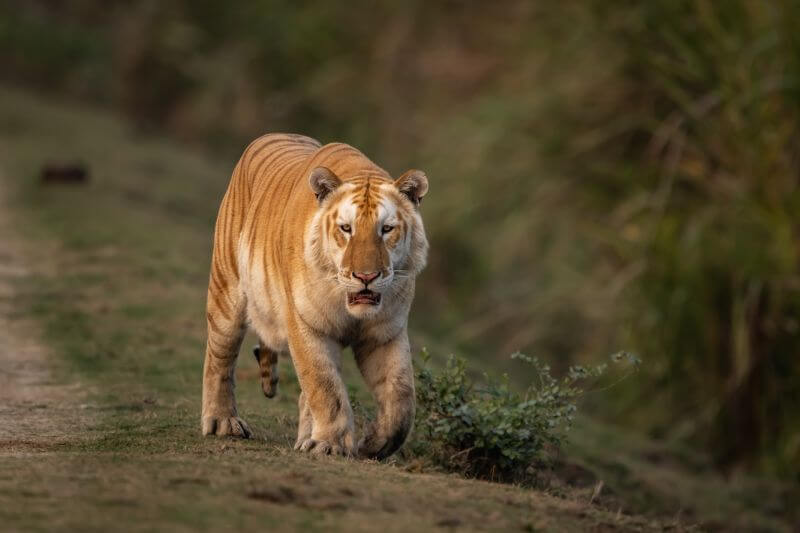
The golden tiger is an extremely rare color morph of the Bengal tiger, caused by a recessive genetic mutation. It is distinguished by its pale golden coat and faint, light-colored stripes, making it one of the most visually unique big cats in the wild. Unlike the common orange Bengal tiger, this variant appears almost glowing in natural light. Such tigers are rarely documented, which adds to their mystery and appeal among wildlife enthusiasts and photographers.
In India, sightings have been reported mainly in Kaziranga National Park and occasionally in Manas National Park. Spotting a golden tiger requires patience, multiple safari attempts, and a bit of luck. Early morning and late afternoon safaris during the winter months offer the best chances, as animals are more active and visibility improves in the open grasslands and forest edges.
Best Locations
- Kaziranga National Park – Also famous for one-horned rhinoceroses
- Manas National Park – A UNESCO World Heritage Site
Safari & Travel Tips
- Opt for early morning jeep safaris for higher chances
- Stay inside or near forest lodges for quick access
- Combine with Assam cultural tours
Black Panther – The Elusive Predator of Kabini
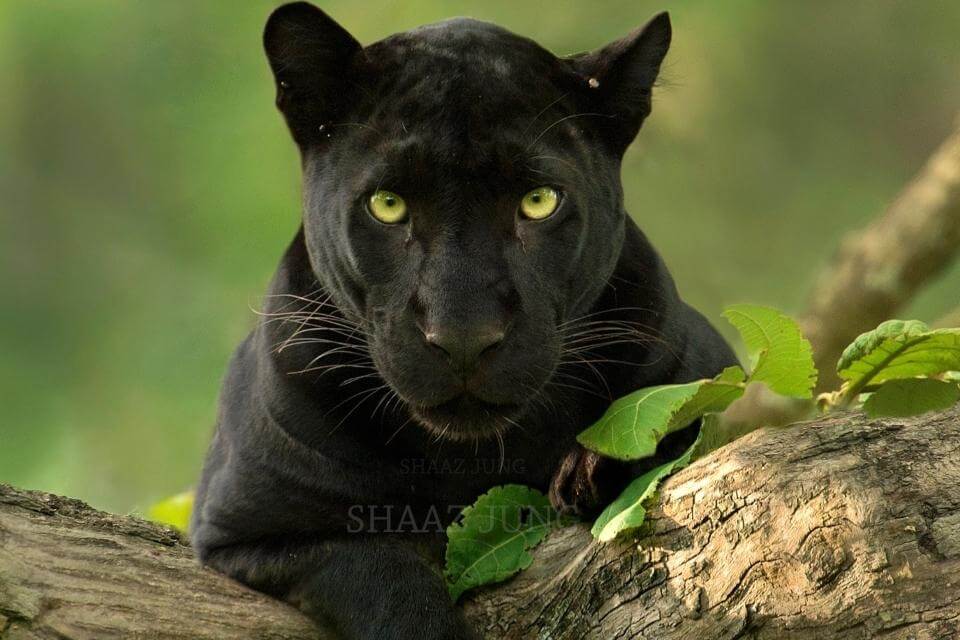
The black panther is a melanistic variant of the Indian leopard, known for its striking black coat caused by excess melanin. Despite its dark appearance, the characteristic leopard rosettes are still visible under sunlight. This rare predator is both powerful and elusive, often moving silently through dense forests, making sightings a thrilling experience for wildlife lovers and photographers.
One of the best places in India to spot a black panther is Kabini Wildlife Sanctuary, part of Nagarhole National Park. Kabini has gained global attention for frequent sightings of a famous melanistic leopard often referred to as “Blacky.” The best chances of spotting it are during early morning or evening safaris, especially in the dry season when animals gather near water sources.
Best Location
- Kabini Wildlife Sanctuary (part of Nagarhole National Park)
Safari & Travel Tips
- Choose zone-specific safaris (Kabini backwaters area is best)
- Visit during summer for better visibility
- Book safaris in advance due to high demand
White Tiger – Legendary Heritage of Central India
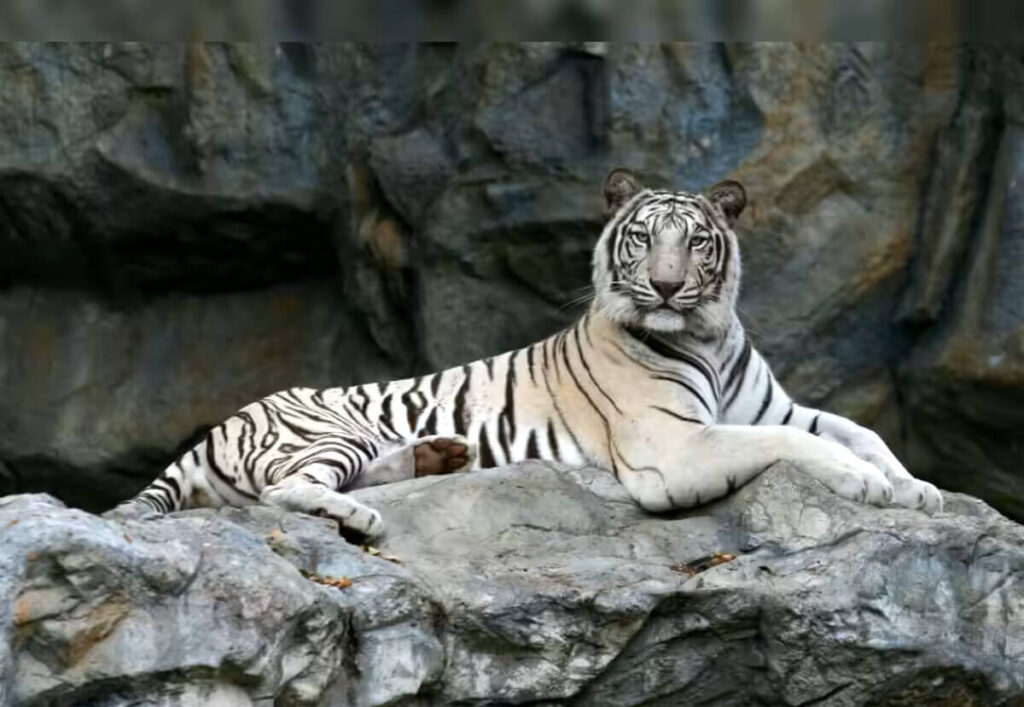
The white tiger is a rare genetic variant of the Bengal tiger, known for its striking white coat and dark stripes. This unique coloration is caused by a recessive gene and is not albinism, as the tigers retain their blue eyes and pigmentation. White tigers have a strong historical connection to central India, particularly the forests of Rewa, where the first recorded specimen was discovered.
Today, while sightings in the wild are extremely rare, Bandhavgarh National Park remains one of the best places to explore their legacy. The park is famous for its high density of tigers and rich biodiversity, offering excellent safari experiences. Visitors can enjoy jeep safaris across different zones, especially Tala, which is known for frequent tiger activity and scenic landscapes.
Best Location
- Bandhavgarh National Park – Known for high tiger density
Safari & Travel Tips
- Tala zone offers the best wildlife sightings
- Combine with nearby parks like Kanha for extended safari
Clouded Leopard – Northeast India’s Hidden Treasure
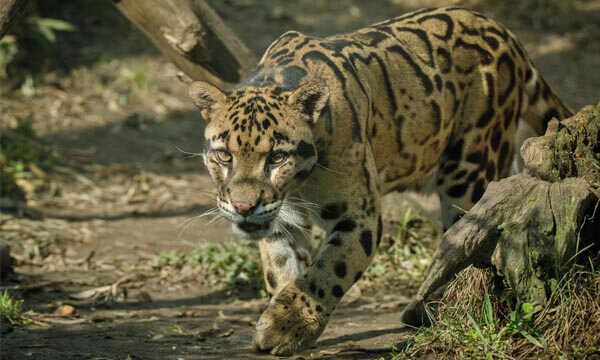
The Clouded leopard is one of the most elusive and least studied wild cats in India. Known for its distinctive cloud-shaped markings and exceptional climbing ability, it spends much of its time in trees within dense tropical forests. Its secretive behavior and remote habitat make sightings extremely rare, adding to its mystique among wildlife enthusiasts and researchers.
In India, the best place to explore its habitat is Namdapha National Park, a biodiversity hotspot in the Northeast. The park’s thick forests and rugged terrain provide an ideal environment for this arboreal predator. Visiting Namdapha requires permits and guided exploration, making it more suitable for serious wildlife travelers seeking offbeat and immersive experiences.
Best Location
- Namdapha National Park
Safari & Travel Tips
- Ideal for serious wildlife explorers and researchers
- Requires permits and local guides
- Combine with Northeast cultural exploration
Snow Leopard – The Ghost of the Himalayas
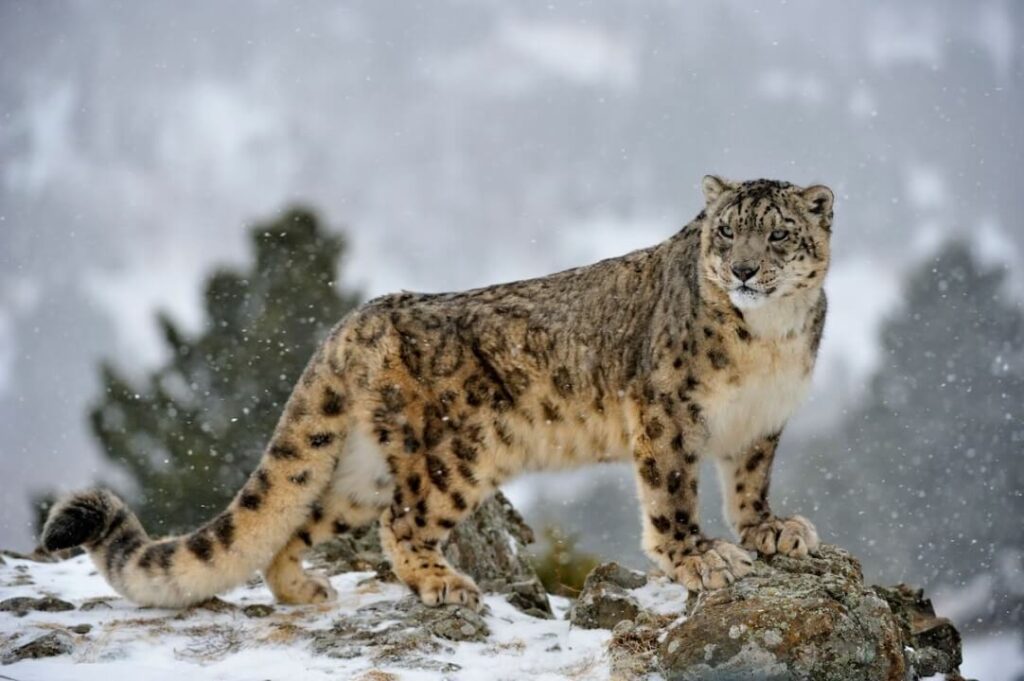
The Snow leopard is one of the most elusive and mysterious big cats in the world, often called the “Ghost of the Mountains.” It inhabits the high-altitude regions of the Himalayas, where its thick fur, long tail, and smoky-grey coat provide perfect camouflage against rocky terrain. Adapted to extreme cold and rugged landscapes, this solitary predator is rarely seen, making every sighting a truly special experience.
In India, the best place to spot snow leopards is Hemis National Park, known as one of the top destinations globally for snow leopard tracking. Sightings usually occur during winter months (January to March), when these animals descend to lower altitudes in search of prey. Snow leopard expeditions often involve trekking, expert guides, and patience, making it ideal for adventure seekers and serious wildlife enthusiasts.
Best Location
- Hemis National Park
Safari & Travel Tips
- Requires winter expeditions (Jan–March)
- Involves trekking and high-altitude endurance
- Hire expert trackers for better chances
Best Time for Wildlife Tours in India
- Winter (Oct–Feb): Pleasant weather, ideal for most parks
- Summer (Mar–Jun): Best for tiger sightings near water sources
- Monsoon (Jul–Sep): Most parks remain closed
Types of Safaris Available
- Jeep Safari (most popular)
- Canter Safari (group option)
- Elephant Safari (limited parks)
- Walking Safari (select zones with guides)
Accommodation Options
- Luxury jungle resorts
- Budget lodges
- Forest rest houses (limited availability)
Wildlife Photography Tips
- Carry zoom lens (200mm–600mm)
- Maintain silence during safaris
- Avoid flash photography
- Be patient—wildlife sightings take time
Important Travel Guidelines
- Always follow forest department rules
- Do not feed or disturb animals
- Respect natural habitats
- Book safaris only through authorized channels
Why Book with Vardhman Vacations?
- Customized wildlife itineraries across India
- Expert guides and safari planning
- Seamless hotel + transport booking
- Specialized tours for rare wildlife sightings
FAQs – Rare Big Cats Wildlife Tours
India is home to rare big cats like the Snow leopard, Clouded leopard, black panther (melanistic Indian leopard), and rare variants of the Bengal tiger such as golden and white tigers.
The best place to spot a black panther is Kabini Wildlife Sanctuary, part of Nagarhole National Park, which is famous for frequent sightings.
Hemis National Park is considered the best destination in India for snow leopard tracking, especially during winter expeditions.
Yes, golden tigers are extremely rare and have been reported in Kaziranga National Park and Manas National Park.
The ideal time is from October to April, while summer months (March to June) are best for tiger sightings near water sources.
No, rare big cats are elusive and sightings are not guaranteed. Multiple safaris, expert guides, and patience increase the chances.
The Snow leopard and Clouded leopard are considered the rarest due to their remote habitats and low population density.
Yes, safaris in national parks like Bandhavgarh National Park and Kaziranga National Park require advance booking and permits.


