
India is one of the world’s most remarkable wildlife destinations, but its story is about much more than spectacular safaris and unforgettable animal sightings. Across decades, India has developed conservation programmes that have helped several iconic species recover, while creating protected landscapes where wildlife and people must coexist.
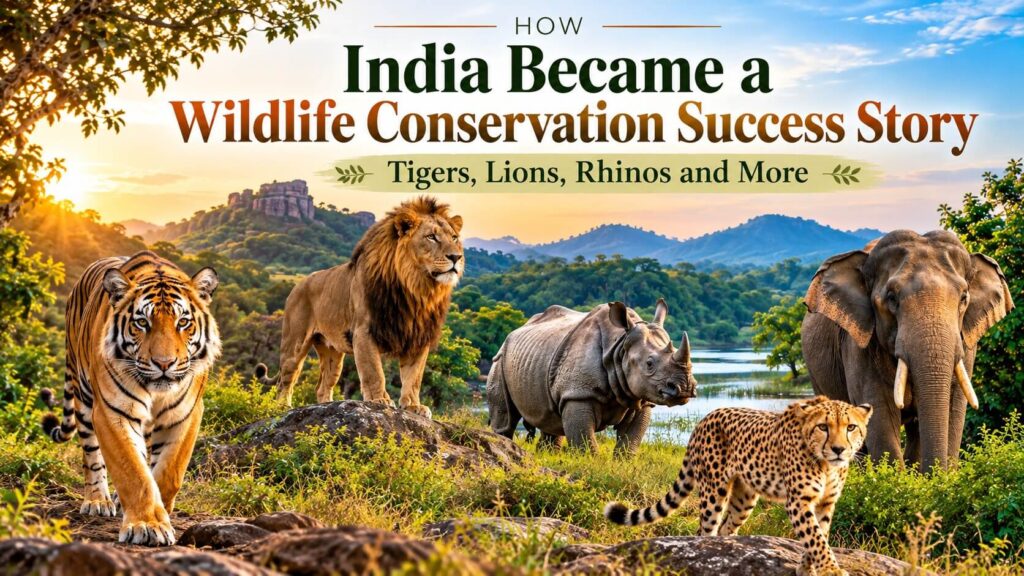
From the tiger forests of Madhya Pradesh and Rajasthan to the Asiatic lions of Gujarat, the one-horned rhinoceroses of Assam and the returning cheetahs of Kuno National Park, India’s conservation journey offers an inspiring example of what long-term protection, scientific monitoring and public participation can achieve.
For travelers planning Wildlife Tours India, these conservation stories add another dimension to every safari. Seeing a tiger or rhino in the wild is not simply a travel experience—it is an opportunity to witness the results of decades of conservation work.
India’s Tiger Conservation Story
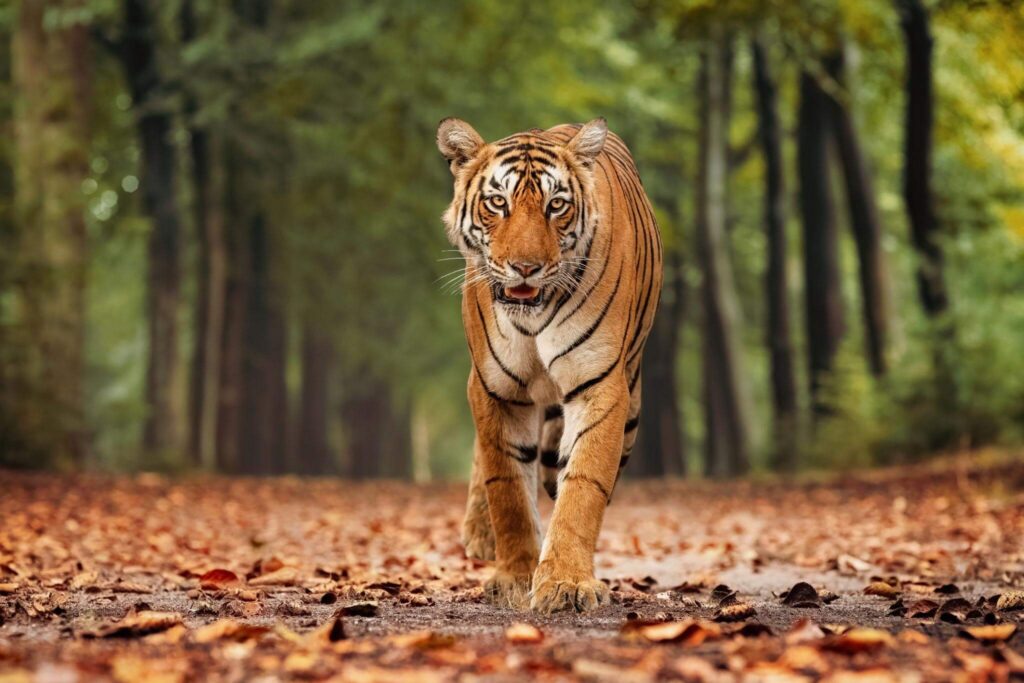
Few wildlife conservation stories are as closely associated with India as the recovery of the Bengal tiger.
When Project Tiger was launched in 1973, tiger numbers had fallen dramatically because of habitat loss, hunting and poaching. The programme established protected tiger habitats and created a framework for coordinated conservation.
The results have been significant. India’s official 2022 tiger assessment estimated 3,682 tigers, compared with 1,411 in 2006. India is now home to around 70% of the world’s wild tiger population. The country’s tiger conservation network has also expanded, with 58 tiger reserves reported in 2025.
Importantly, modern tiger conservation is not simply about counting animals. India uses camera trapping, habitat assessment, prey monitoring and regular scientific surveys to understand changing populations and ecosystems.
For wildlife travelers, this means there are now numerous destinations where the possibility of encountering a wild tiger forms the centerpiece of a safari.
Ranthambore, Bandhavgarh, Kanha, Pench, Tadoba and Corbett are among the best-known destinations for tiger-focused travel.
Asiatic Lions: A Conservation Story Unique to Gujarat
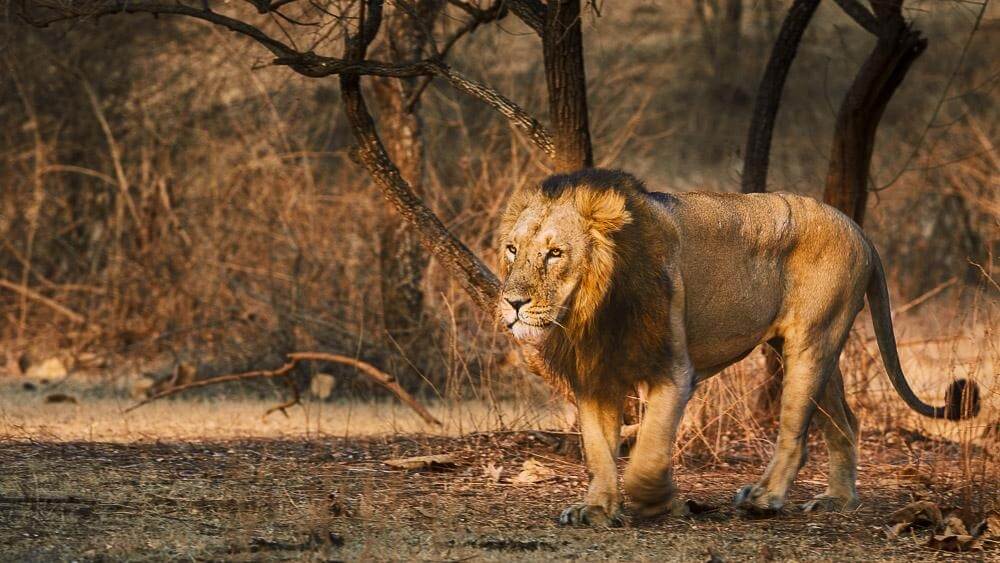
India is the last remaining home of the Asiatic lion in the wild, making the conservation of this species particularly important.
The lion population has historically been concentrated around Gujarat’s Gir landscape. Conservation efforts have helped the population grow substantially.
According to Gujarat’s 2025 lion population estimation, the state’s Asiatic lion population increased from 674 in 2020 to 891 in 2025, a rise of more than 32%. The distribution area also expanded, with lions recorded in additional satellite populations and corridors.
This expansion demonstrates both the success of conservation and the challenges that come with a growing wildlife population.
For travelers, Gir remains one of India’s most distinctive wildlife destinations. A safari here offers something different from a tiger reserve: the opportunity to experience the world’s last wild population of Asiatic lions in their natural Indian habitat.
Assam’s Rhinoceros: Protecting a Living Symbol
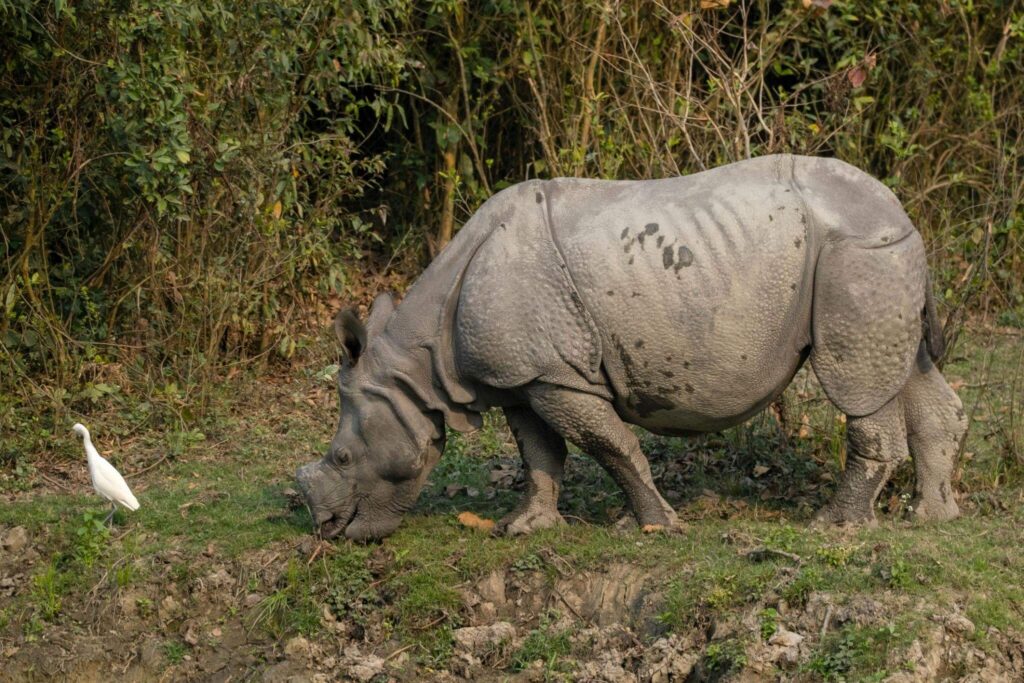
Travel farther east to Assam and another remarkable conservation story unfolds.
The greater one-horned rhinoceros is one of India’s most recognizable large mammals, and Kaziranga National Park is internationally famous for its rhino population.
Assam’s wildlife department maintains long-term population data for rhinos across protected areas including Kaziranga, Manas, Orang and Pobitora. The state’s records demonstrate the long-term recovery and expansion of rhino populations compared with previous decades.
Anti-poaching operations, protected habitats, monitoring and stronger field protection have all played important roles in safeguarding these animals.
For visitors, a Kaziranga safari can be an extraordinary experience. Rhinos often appear alongside elephants, swamp deer, wild buffalo and numerous bird species, making the park an important destination for Wildlife Tours India.
India’s Elephant Conservation Efforts
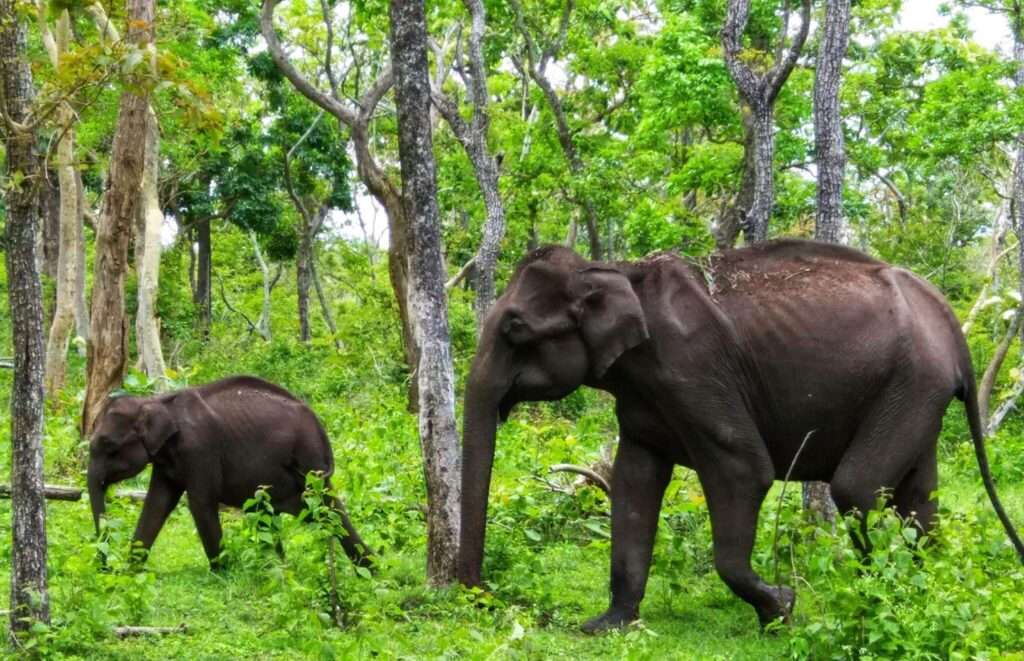
Elephants occupy a special place in India’s ecological and cultural landscape.
But conserving elephants presents a different challenge from protecting animals inside relatively contained reserves. Elephants travel across large landscapes and frequently move through areas shared with people.
India’s conservation framework therefore includes elephant reserves and wildlife corridors designed to maintain connections between habitats. Government data published in 2026 notes that the country had 33 Elephant Reserves and 150 elephant corridors across 15 states.
These corridors are particularly important because fragmented habitats can force elephants into agricultural areas, increasing the possibility of human-wildlife conflict.
Effective conservation therefore requires more than protecting an animal—it requires protecting the landscapes through which the animal moves.
The Return of the Cheetah
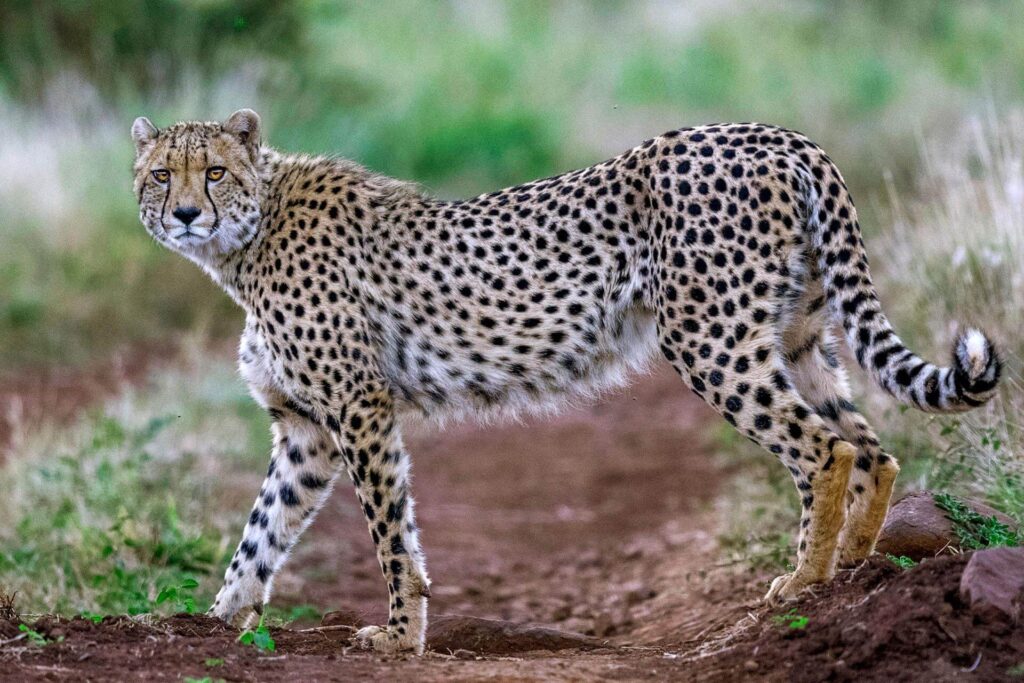
Perhaps India’s most ambitious recent wildlife restoration project is the return of the cheetah.
The cheetah was declared extinct in India in 1952. In September 2022, India began Project Cheetah by bringing cheetahs from Namibia and subsequently South Africa to Kuno National Park in Madhya Pradesh.
The programme has since expanded through additional international cooperation and births in India.
By October 2026, the Government of India reported that the country’s cheetah population had reached 60, including 41 Indian-born cheetahs, following the birth of five cubs at Kuno National Park.
The project is about more than bringing back a famous animal. It is also intended to restore grassland ecosystems and develop a viable population through scientific management, monitoring and landscape-level conservation.
Kuno has therefore become one of India’s newest destinations for travelers interested in large-carnivore conservation.
Why India’s Conservation Model Matters
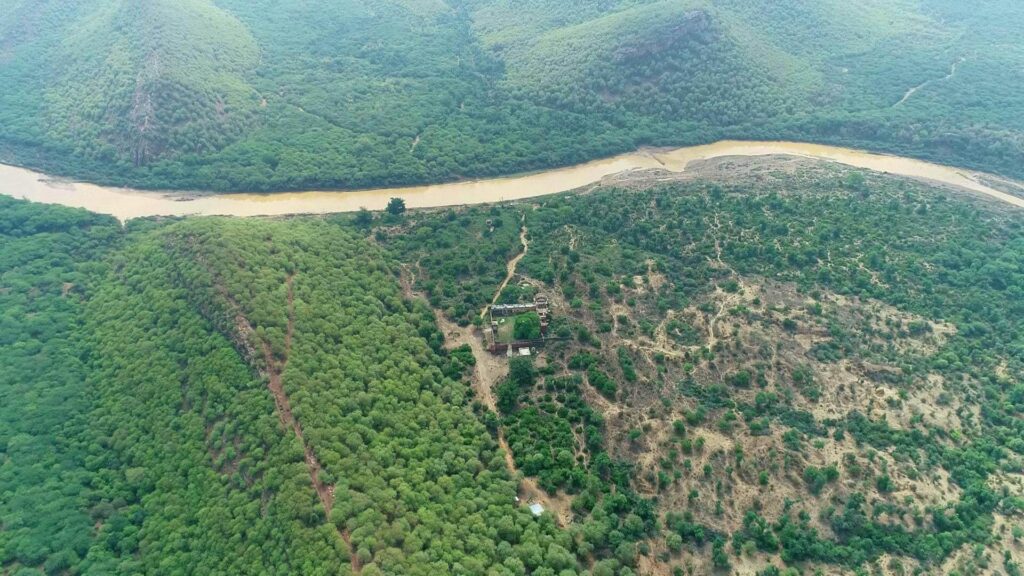
India’s wildlife conservation story has several important ingredients.
Long-Term Government Programmes
Projects such as Project Tiger and Project Elephant demonstrate the importance of sustained conservation programmes rather than short-term campaigns.
India’s protected-area network has also expanded considerably. Government figures show that the number of protected areas increased from 745 in 2014 to 1,134 in 2025.
Science and Technology
Wildlife conservation increasingly depends on data.
Camera traps, satellite technology, geographic information systems, DNA studies, radio collars and systematic population surveys allow conservation managers to understand animal populations much more accurately than was possible decades ago.
Tiger monitoring is a particularly strong example. India’s tiger assessments combine field surveys, habitat information and camera-trap data to estimate populations across huge landscapes.
Protected Habitats
Animals cannot survive simply because hunting is prohibited. They need functioning ecosystems.
Forests, grasslands, wetlands and corridors provide food, water, shelter and breeding areas. Protecting these habitats therefore benefits entire communities of wildlife rather than a single species.
Local Communities
Conservation also has a human dimension.
India’s wildlife landscapes overlap with villages, farms, roads and growing towns. As animal populations recover, interactions between people and wildlife can increase.
That makes compensation programmes, community participation, responsible tourism and habitat connectivity increasingly important.
What This Means for Wildlife Travelers
For travelers, India’s conservation success has created an extraordinary range of wildlife experiences.
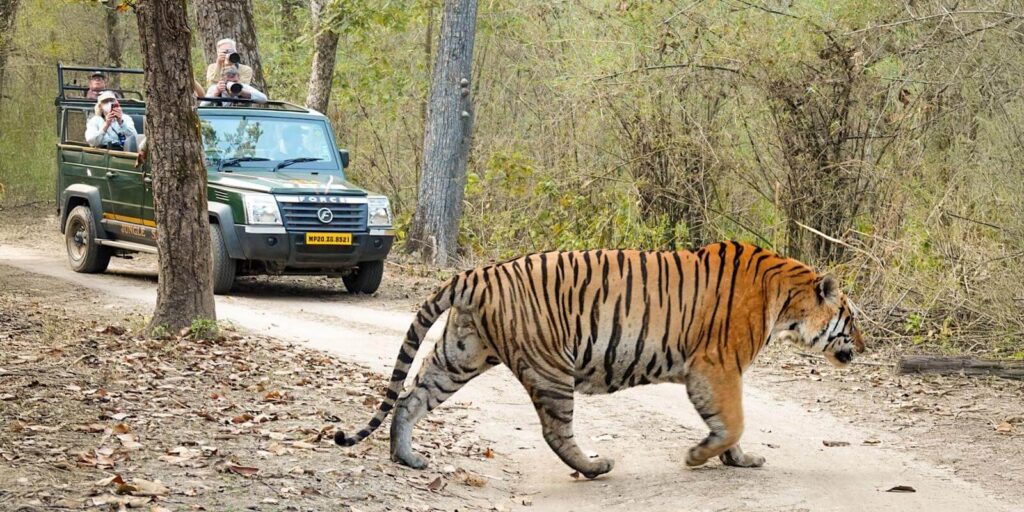
A Rajasthan wildlife tour can combine the historic landscapes of Rajasthan with a tiger safari in Ranthambore. Central India offers opportunities to explore forests such as Bandhavgarh, Kanha and Pench. Assam provides encounters with rhinos and rich birdlife, while Gujarat offers the unique possibility of experiencing Asiatic lions.
Each destination tells a different conservation story.
And responsible tourism can contribute to that story when visitors follow park rules, maintain safe distances, avoid disturbing animals and support ethical local tourism services.
India’s Wildlife Story Is Still Being Written
India’s conservation achievements should not be mistaken for the end of the challenge.
Growing wildlife populations can create new pressures. Habitat fragmentation, human-wildlife conflict, poaching risks, climate change and pressure on natural resources remain important concerns.
The continuing expansion of India’s conservation programmes shows that protecting wildlife is an ongoing process.
From the recovery of the tiger to the expansion of the Asiatic lion population, the protection of Assam’s rhinos and the return of the cheetah, India’s wildlife story demonstrates what can happen when conservation becomes a long-term national priority.
For travelers, this makes India more than a place to see extraordinary animals. It is a place to experience some of the world’s most important conservation landscapes.
And that is what makes a journey through India’s national parks so memorable: behind every tiger, lion, rhino or elephant is a much larger story about forests, communities, science and the continuing effort to keep India’s wild heritage alive.