

Adventure tourism is exploding in popularity as travelers ditch passive beach vacations for immersive, adrenaline-fueled experiences that blend physical challenge, cultural immersion, and breathtaking natural environments. Whether you’re ziplining through rainforests, rafting wild rivers, or trekking remote mountain trails, adventure tourism delivers unforgettable memories while supporting local economies and conservation efforts.
In 2026, adventure tourism isn’t just a niche—it’s a global powerhouse. With the market projected to grow significantly (reaching nearly USD 995 billion this year alone), more people than ever are seeking transformative trips that push boundaries and promote wellness.
This comprehensive guide covers everything you need to know about adventure tourism: its definition, history, types, top destinations, booming trends, health benefits, preparation tips, and how to travel responsibly. Perfect for thrill-seekers, families, solo adventurers, and eco-conscious explorers alike.
What Is Adventure Tourism?
Adventure tourism is travel that combines physical activity, natural environments, and often cultural immersion—at least two of these three elements, according to the Adventure Travel Trade Association (ATTA). It’s about stepping outside your comfort zone to explore remote or challenging places through activities that range from gentle hikes to extreme sports.
Unlike traditional sightseeing, adventure tourism emphasizes active participation, personal growth, and connection to the destination. Think kayaking glacial fjords in Iceland or trekking to ancient ruins in Peru—experiences that create stories you’ll tell for a lifetime. It can be “soft” (accessible, low-risk) or “hard” (high-adrenaline, skill-intensive), making it suitable for beginners and experts alike.
A Brief History of Adventure Tourism
Adventure travel dates back centuries, from ancient explorers charting new lands to 19th-century mountaineers conquering peaks like the Matterhorn (1865) and early river expeditions. Modern adventure tourism took off in the mid-20th century with figures like Sir Edmund Hillary’s 1953 Everest ascent, evolving into a structured industry by the 1980s–1990s as outfitters began offering guided trips.
Today, it’s a mature sector driven by technology (better gear, apps for planning), social media inspiration, and a post-pandemic desire for meaningful, nature-based escapes.
Types of Adventure Tourism: Hard vs. Soft
Adventure tourism splits into two main categories:
- Hard Adventure Tourism: High-risk, physically demanding activities requiring skills, training, or specialized equipment. Examples include mountaineering, skydiving, white-water rafting in Class V rapids, or ice climbing. These appeal to adrenaline junkies seeking real (or perceived) risk.
- Soft Adventure Tourism: Lower-risk, more accessible experiences ideal for families, beginners, or older travelers. Think guided hiking, kayaking calm waters, wildlife safaris, or cultural walking tours with e-bikes. In 2026, soft adventures are surging as travelers prioritize wellness and inclusivity.
Many trips blend both, offering customizable intensity levels.
Popular Adventure Tourism Activities in 2026
Here are standout activities dominating the scene:
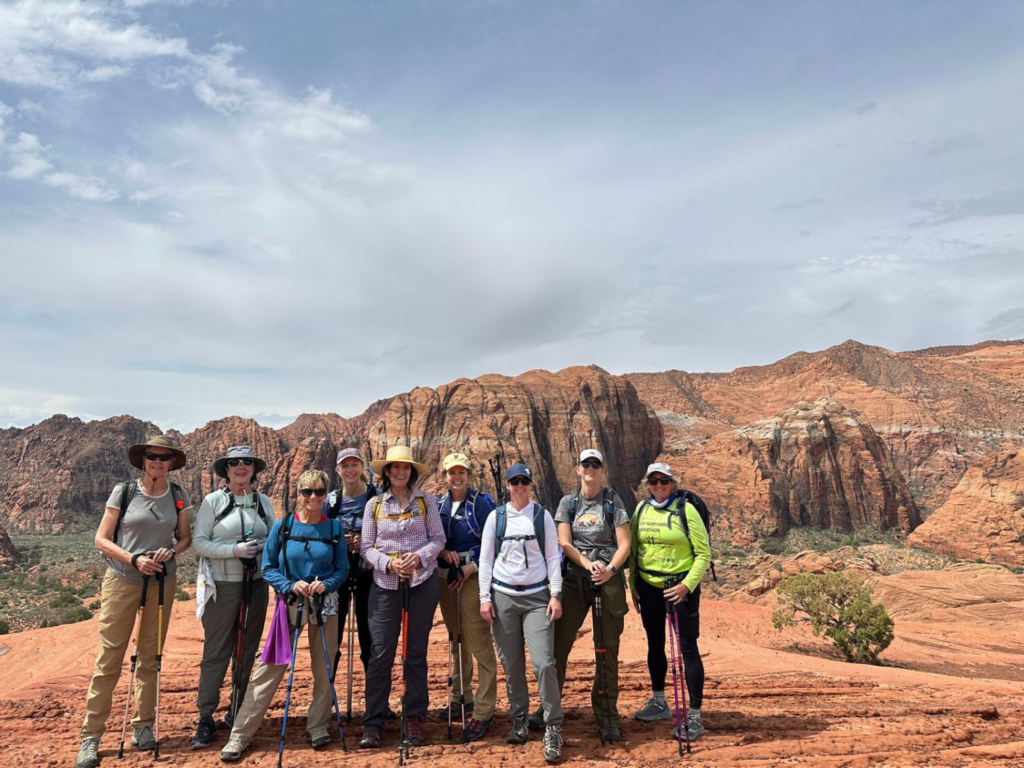
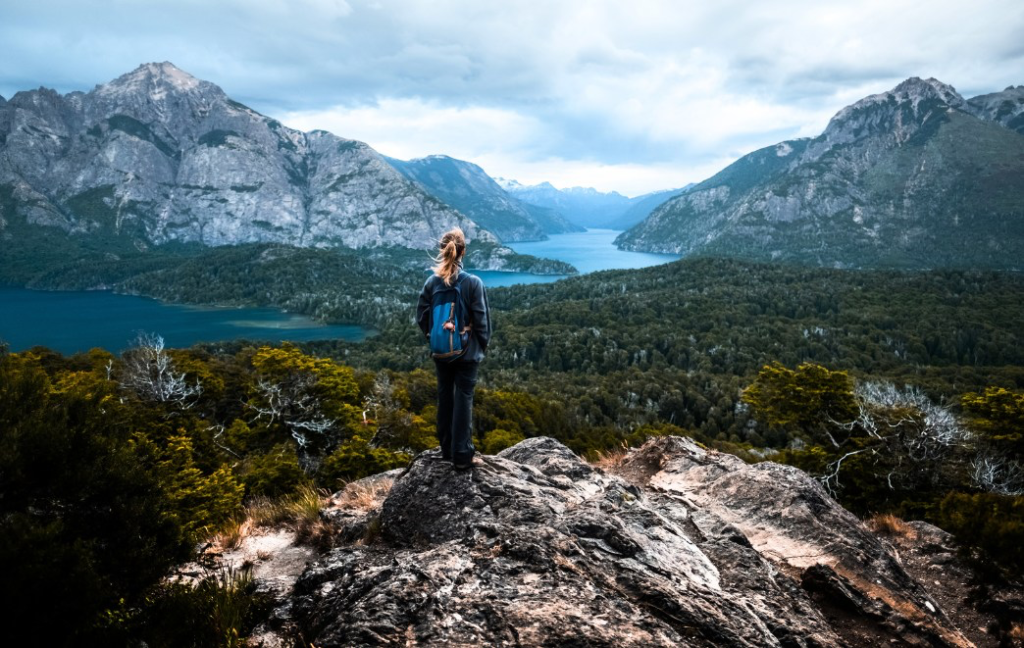
- Hiking and Trekking: From the Inca Trail to Machu Picchu to multi-day Patagonia circuits.
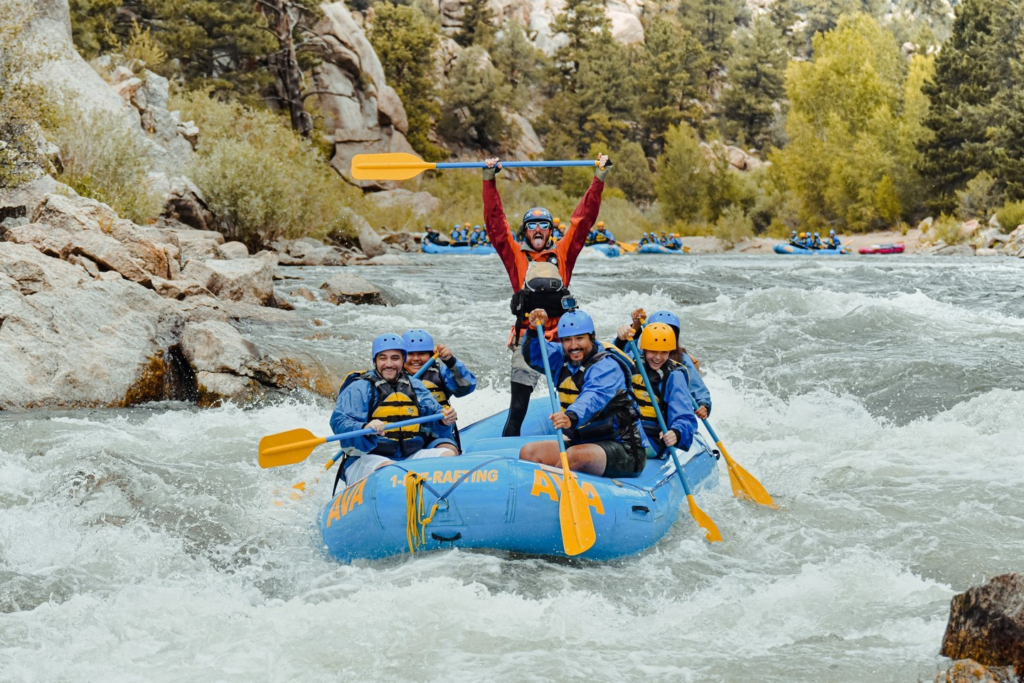
- White-Water Rafting and Kayaking: Thrilling river runs in places like New Zealand or Colorado.
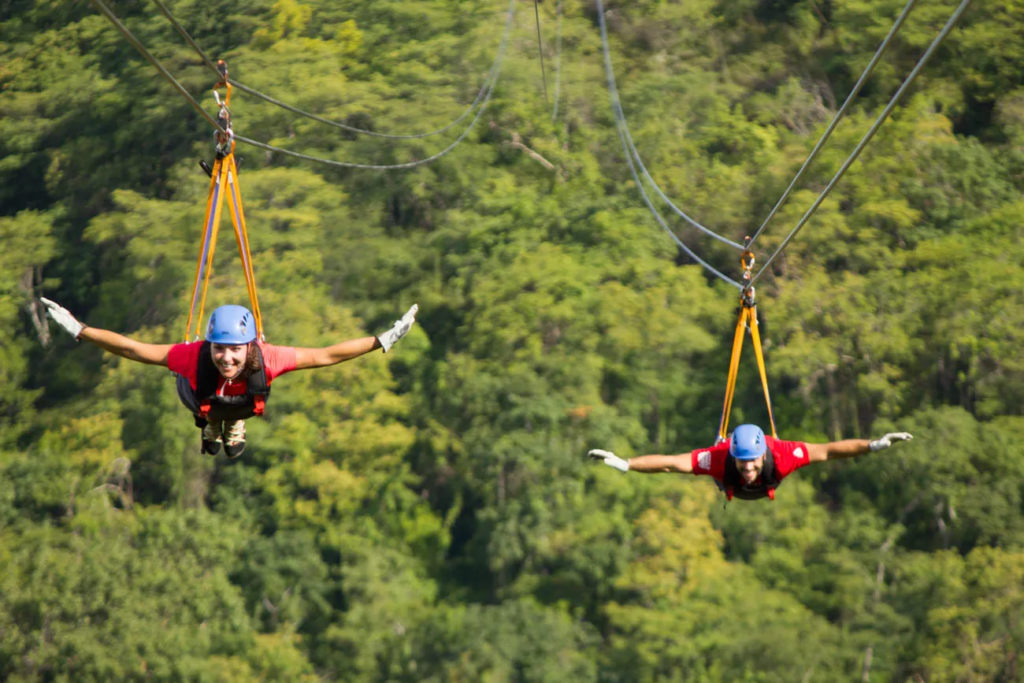
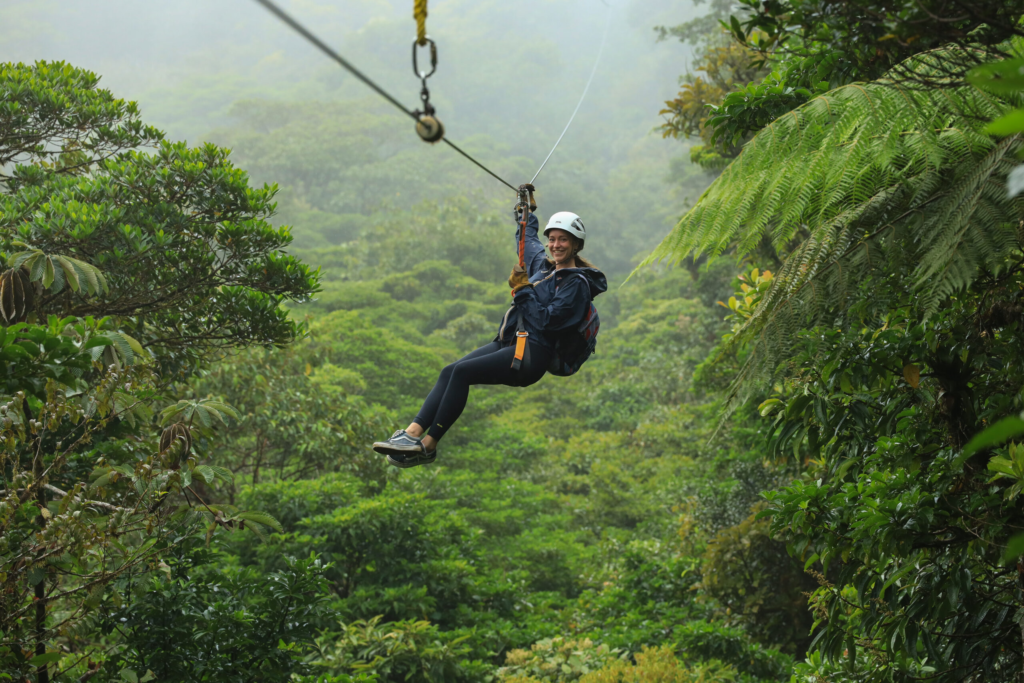
- Ziplining and Canopy Tours: Soaring through treetops in Costa Rica’s rainforests.
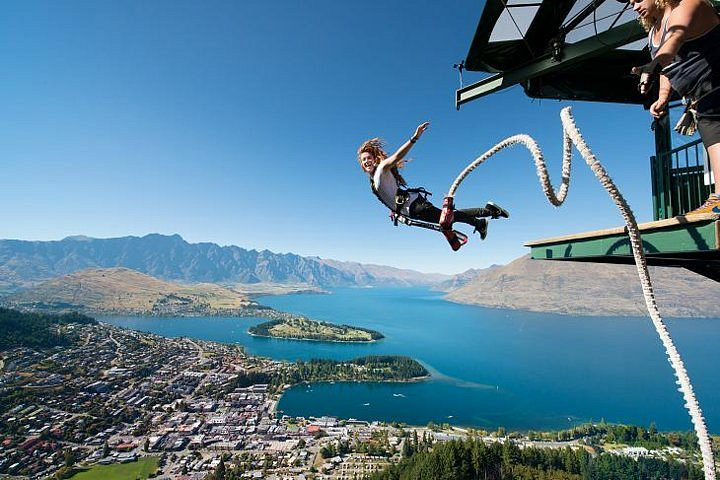
- Bungy Jumping and Paragliding: Iconic in Queenstown, New Zealand—the “adventure capital of the world.”
- Scuba Diving and Snorkeling: Coral reefs in Palau or the Galápagos.
- Wildlife Safaris and Gorilla Trekking: Africa’s national parks.
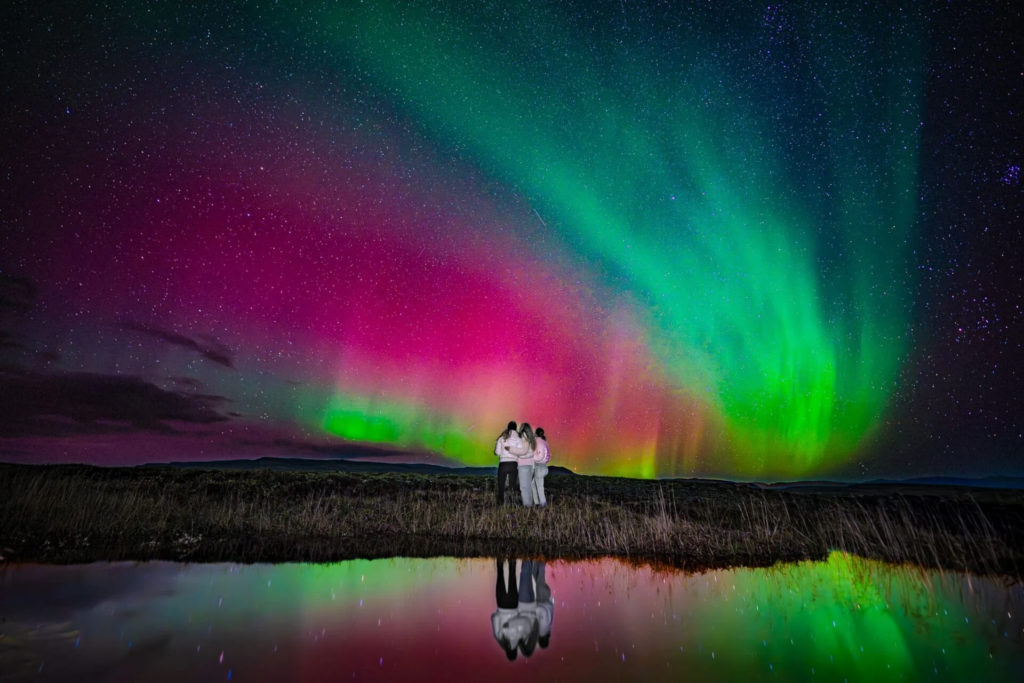
- Winter Adventures: Northern Lights chasing with glacier hikes in Iceland.
- Emerging: Stand-up paddleboarding (SUP), forest bathing, and e-bike expeditions.
Other options include rock climbing, mountain biking, hot-air ballooning, and caving.
Top Adventure Tourism Destinations for 2026
These spots are trending for their accessibility, sustainability focus, and epic experiences:
- New Zealand — Bungy, rafting, hiking, and fjord kayaking. Queenstown remains the global epicenter.
- Costa Rica — Ziplining, volcanoes, wildlife, and canopy tours. Eco-lodges make it family-friendly and sustainable.
- Patagonia (Chile/Argentina) — Epic treks like the W Circuit, glaciers, and remote wilderness. Perfect for sustainable, low-impact adventures.
- Iceland — Glacier hikes, Northern Lights, hot springs, and volcanic landscapes. Small-group tours minimize overtourism.
- Nepal — Himalaya treks (Everest Base Camp or Annapurna) with cultural immersion.
- Emerging Gems: Slovenia (lakes, rivers, and mountains), Kyrgyzstan (Silk Road horse treks and high-altitude lakes), and Central Asia for uncrowded thrills.
Other highlights include the Galápagos, Tanzania safaris, and Jordan’s Petra hikes.
The Booming Adventure Tourism Market: 2026 Stats and Trends
The global adventure tourism market is on fire. Valued at approximately USD 896 billion in 2025, it’s expected to hit USD 994 billion in 2026 and continue strong growth through the decade with CAGRs ranging from 8.6% to 18% across reports.
Key 2026 Trends:
- Sustainability and Regenerative Travel: Travelers demand eco-friendly operators that support conservation and communities. “Leave it better” experiences (tree planting, data collection for science) are hot.
- Soft and Wellness-Focused Adventures: Blending hikes with yoga, mindfulness, or cultural cooking classes.
- Avoiding Overtourism: Secondary destinations and smaller groups.
- Women’s and Family Adventures: 100%+ growth in women-only trips; inclusive options for all ages.
- Tech-Enabled Trips: Apps for real-time safety, VR previews, and carbon-tracking.
Benefits of Adventure Tourism
Beyond the thrill, adventure tourism delivers proven perks:
- Physical Health: Cardiovascular fitness, strength, flexibility, and better sleep from active days outdoors.
- Mental Health: Stress reduction, boosted self-confidence, resilience, and a sense of accomplishment. Studies link it to improved mood, lower anxiety, and even brain health benefits.
- Emotional and Social: Builds connections with nature, cultures, and fellow travelers.
- Economic Impact: Funds local jobs, conservation, and infrastructure in remote areas.
How to Prepare for Your Adventure Tourism Trip
Safety first! Follow this checklist:
- Physical Training: Build stamina 2–3 months ahead with hikes or cardio matching your activity.
- Essential Gear: Helmet, layered clothing (moisture-wicking base, waterproof shell), sturdy boots, navigation tools (GPS/app + map), emergency kit (first aid, whistle, satellite communicator), and activity-specific items like life jackets.
- Book Reputable Operators: Look for ATTA members or those with strong safety records and sustainability certifications.
- Travel Insurance and Health: Get adventure-specific coverage; check vaccinations and consult a doctor.
- Pack Smart: Follow “leave no trace” principles and respect local customs.
Always listen to guides and know your limits.
Sustainable Adventure Tourism: Your 2026 Responsibility
The best adventures protect the places they celebrate. Choose operators that:
- Use low-impact transport (e-bikes, rail).
- Support community projects and conservation.
- Limit group sizes to reduce environmental pressure.
- Educate travelers on responsible practices.
In 2026, regenerative tourism—where your visit actively improves the destination—is the gold standard.
Ready to Launch Your Adventure?
Adventure tourism in 2026 offers the perfect mix of thrill, connection, and positive impact. Whether you’re planning a soft hike in Slovenia or a hard trek in Patagonia, the right trip can transform how you see the world—and yourself.
Start planning today: Research operators, check 2026 availability (peak seasons book fast), and prioritize experiences that align with your fitness level and values. Your next epic story awaits—what adventure will you choose?
Share this guide with fellow thrill-seekers and tag us on social media with your adventures. Safe travels!