

Delhi is not only India’s political capital but also a deeply spiritual landscape shaped by centuries of devotion, meditation, and philosophical inquiry. From ancient temples and Sufi dargahs to contemporary meditation centres, the city offers a rich spectrum of spiritual experiences.
For seekers—whether interested in silent meditation retreats, yoga, satsang, or community service—Delhi and its surrounding areas provide accessible yet meaningful spaces for inner exploration.
Below is a curated guide to some of the most respected ashrams and spiritual centres in the Delhi area.
Spiritual & Meditation-Focused Ashrams
Sri Aurobindo Ashram, Delhi Branch

The Sri Aurobindo Ashram – Delhi Branch is a spiritual and educational institution located on Sri Aurobindo Marg, Lodhi Road area, New Delhi. Established under the guidance of The Mother and inspired by Sri Aurobindo’s vision, it serves as a center for the practice of Integral Yoga and the harmonious integration of spiritual consciousness into daily life.
Key Facts
- Founded by: Surendra Nath Jauhar (“Faquir”)
- Established: 1956, under the Mother’s supervision
- Location: Gate No. 6, Sri Aurobindo Lane, Sri Aurobindo Marg, New Delhi 110016
- Affiliated initiatives: The Mother’s International School, Mirambika, and educational outreach centers
Origins and Founding Vision
Patriot and freedom fighter Surendra Nath Jauhar, affectionately called Chachaji, founded the Delhi Branch with The Mother’s blessings. It was consecrated as a field for “the evolution of another kind and form of life moved by a higher spiritual consciousness,” in line with Sri Aurobindo’s Integral Yoga. Unlike traditional monastic centers, it emphasizes spiritual growth within the framework of active, creative life.
Activities and Programs
The ashram hosts daily collective meditations, yoga and Ayurveda sessions, cultural and music evenings, and Gita and Savitri study circles. Regular retreats and workshops focus on Integral Education, health, and self-development. Associated rural and retreat centers—such as Madhuban Himalayan Retreat in Uttarakhand and Auro Mira Vidya Mandir in Odisha—extend its work in education and community service.
Educational and Cultural Role
On its campus stand notable institutions like The Mother’s International School and Sri Aurobindo Centre for Arts and Communication, reflecting the ashram’s commitment to holistic education blending arts, values, and modern disciplines. The ashram also publishes writings of Sri Aurobindo and The Mother and maintains art collections, meditation halls, and libraries open to seekers.
Spiritual and Social Outreach
The Delhi Branch functions as a hub for devotees and learners in North India, connecting with affiliated centers in Nainital, Madhuban, and Kechla. Through youth camps, women’s forums, and wellness initiatives, it promotes the ideals of unity, self-perfection, and service central to Sri Aurobindo’s teachings.
Yogoda Satsanga Sakha Ashram Noida

Yogoda Satsanga Society of India (YSS) is a non-sectarian spiritual organization founded in 1917 by Sri Sri Paramahansa Yogananda to disseminate Kriya Yoga and the “how-to-live” teachings of self-realization. Headquartered in Ranchi, Jharkhand, it serves as the Indian counterpart of the Self-Realization Fellowship, guiding spiritual practice, education, and humanitarian work across India and Nepa.
Key facts
- Founded: 1917 by Paramahansa Yogananda
- Headquarters: Ranchi, Jharkhand, India
- President (2026): Swami Chidananda Giri
- Core teaching: Kriya Yoga and Self-Realization principles
- Centers: 200+ kendras and mandalis throughout India and Nepal
Mission and Teachings
YSS exists to make available the ancient scientific teachings of Kriya Yoga — a meditation technique for achieving direct personal experience of God and inner peace. Paramahansa Yogananda emphasized a universal approach uniting all religions through practical spirituality. His lessons teach balanced living by harmonizing body, mind, and soul, aimed at realizing the divine presence within.
Organization and Monastic Order
At its heart is the Yogoda Satsanga Monastic Order, a community of monks following the Swami Order of India. These renunciants serve as teachers, publishers, and spiritual guides while upholding vows of simplicity, celibacy, obedience, and loyalty. They conduct retreats, Sadhana Sangams (multi-day meditation programs), and lecture tours throughout the Indian subcontinent.
Centers, Ashrams, and Activities
YSS operates ashrams in Ranchi, Dakshineswar, Dwarahat, Noida, and Chennai along with retreats in locations such as Puri and Igatpuri. It publishes Yogananda’s writings and recorded talks, offers online and in-person meditation programs, and maintains charitable initiatives in education, healthcare, and disaster relief — including 20+ schools and 30 medical dispensaries serving rural communities.
Relationship to Self-Realization Fellowship
YSS functions as the Indian branch of Yogananda’s worldwide mission. While SRF oversees the work outside India, YSS focuses on the Indian subcontinent, ensuring the continuity of his teachings and the monastic order he founded. Together they advance Yogananda’s vision of universal brotherhood and direct spiritual experience through meditation.
Sawan Ashram Delhi
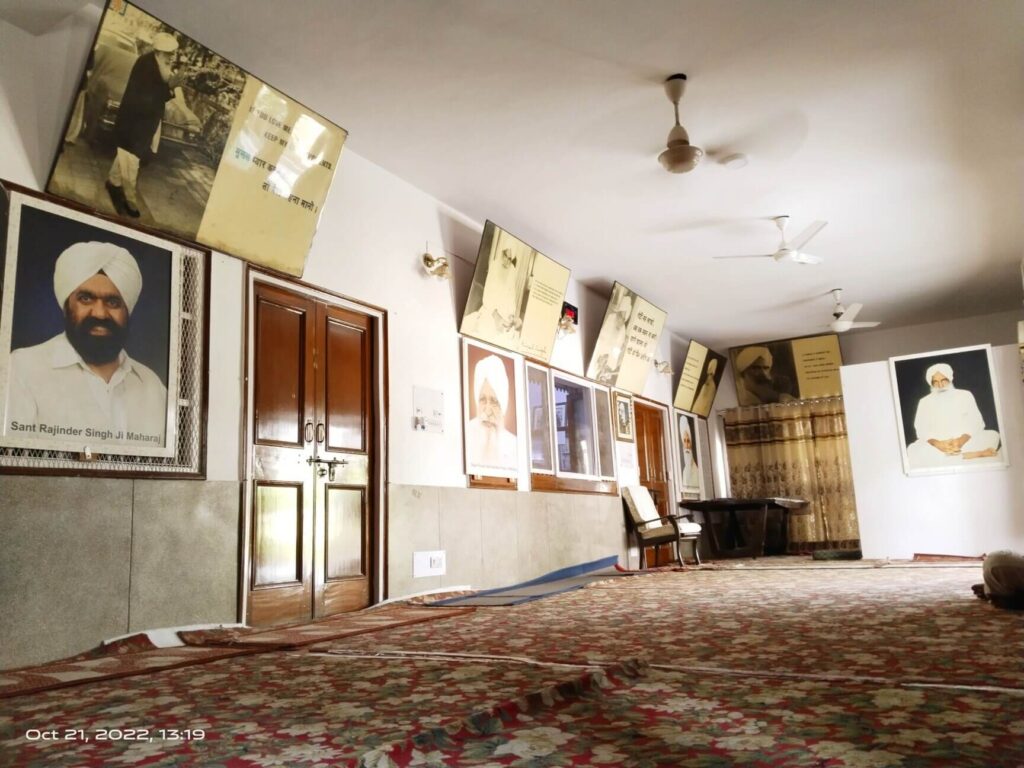
Sawan Ashram is a principal spiritual and meditation center of the Sawan Kirpal Ruhani Mission, located on Bansilal Chauhan Marg, Ashok Vihar, Delhi, India. The ashram serves as a hub for promoting the teachings of Sant Mat and the “Science of Spirituality,” focusing on inner peace, unity, and meditation on the inner Light and Sound.
Key facts
- Affiliation: Sawan Kirpal Ruhani Mission (Science of Spirituality)
- Founded: 1976
- Founder: Sant Darshan Singh Ji Maharaj
- Head: Sant Rajinder Singh Ji Maharaj
- Location: Ashok Vihar, Delhi–110007, India
Origins and Affiliation
Sawan Ashram was established under the guidance of Sant Darshan Singh Ji Maharaj in continuation of the lineage of Sant Kirpal Singh Ji Maharaj. It operates as part of the Sawan Kirpal Ruhani Mission, an international, non-profit spiritual organization known outside India as Science of Spirituality. The mission is dedicated to spreading universal values of love, service, and self-realization through meditation.
Spiritual Activities
The ashram conducts regular meditation sessions, satsangs (spiritual discourses), and workshops teaching Surat Shabd Yoga—the practice of inner Light and Sound meditation. It offers free instruction to seekers regardless of religion or background, emphasizing direct personal experience of the divine. The center also organizes international conferences promoting interfaith harmony and global peace.
Community Engagement
Beyond meditation, Sawan Ashram functions as a community hub offering humanitarian services, literature distribution, and educational initiatives. It provides a serene environment for reflection within Delhi’s busy urban context and acts as a central location for coordination of the mission’s many Indian and global branches.
Leadership and Legacy
Currently led by Sant Rajinder Singh Ji Maharaj, the mission continues the spiritual lineage of great masters including Baba Sawan Singh Ji and Sant Kirpal Singh Ji. Under his leadership, Sawan Ashram remains a major site for seekers pursuing spiritual growth through the meditation-based Science of Spirituality approach.
Udasin Ashram

The Udasin Ashram in Jhandewalan, Delhi, is a prominent religious and spiritual center associated with the Udasin tradition—one of India’s ancient monastic orders rooted in detachment and service. The ashram serves as a sanctuary for meditation, study, and community welfare within the lineage of the Udasin sect.
Key facts
- Location: Type 3, Block B, Aram Bagh, Jhandewalan, Delhi 110055
- Affiliation: Udasin Sampradaya, lineage of Acharya Shrichandra Ji (1494–1643)
- Primary figure: Shri Chandra Swamiji Udasin
- Focus: Meditation, spiritual study, and social service
- Visitor hours: Typically open until 9 p.m.
Historical Roots
The Delhi Udasin Ashram draws its inspiration from the teachings of Acharya Shrichandra Ji, the founder of the Udasin order and son of Guru Nanak Dev Ji. His doctrine of udāsīn—spiritual detachment combined with devotion and knowledge—continues through institutions like this ashram. The Jhandewalan branch was established to serve urban seekers while maintaining the contemplative ethos of the order.
Activities and Teachings
Regular programs include meditation sessions, scriptural discussions, and satsangs focused on Vedic and Bhakti texts. Residents and visitors participate in yoga, devotional singing, and guided reflection designed to promote inner discipline and realization of the self. Instruction emphasizes harmony between knowledge (jnana), devotion (bhakti), and selfless action (seva).
Community Service
Aligned with the charitable mission of the broader Udasin tradition, the ashram engages in social welfare initiatives such as free medical aid, educational outreach, and relief work for the poor and destitute. These programs reflect the belief that spiritual progress is inseparable from compassion in action.
Legacy and Significance
Under the guidance of Shri Chandra Swamiji Udasin and his disciples, the ashram has become a beacon of inclusive spirituality in Delhi. It continues to attract seekers from diverse backgrounds who value its peaceful environment, ethical discipline, and balanced approach to ancient wisdom in modern life.
Vipassana Sadhana Sansthan Delhi

Vipassana Sadhana Sansthan is a non-governmental trust based in New Delhi, India, dedicated to teaching and organizing Vipassana meditation courses in the tradition of S.N. Goenka and Sayagyi U Ba Khin. It serves as an administrative and coordinating body for nearby Vipassana centers, notably Dhamma Sota and Dhamma Patthana, which host residential meditation retreats.
Key facts
- Founded: May 26, 1993
- Type: Trust (Non-Government)
- Registered Office: Hemkunt Tower (Modi Tower), Nehru Place, New Delhi
- Focus: Vipassana meditation, education, and literacy outreach
Background and Role
Established under the Income Tax Act, 1961, Vipassana Sadhana Sansthan provides administrative and logistical support for meditation centers teaching Vipassana as per Goenka’s method. It manages registration, communication, and coordination between Delhi-based facilities and Haryana centers such as Dhamma Sota (near Sohna) and Dhamma Patthana (Kammaspur, Sonipat).
Meditation Centers and Activities
The Sansthan’s affiliated centers conduct ten-day and long-term Vipassana meditation courses, emphasizing mindfulness, ethical living, and insight meditation. These courses attract participants from across India and abroad seeking structured residential training in silence and meditation discipline.
Locations
The trust’s offices are located at Hemkunt Tower, Nehru Place, New Delhi, while its meditation facilities include sites in Chhattarpur (Delhi), Sohna (Gurgaon), and Kammaspur (Haryana). The Chhattarpur campus, near Bhatti Mines, offers meditation sessions in a serene natural setting.
Governance and Affiliation
Vipassana Sadhana Sansthan operates under trusteeship, with named officers such as a president, secretary, and treasurer, and functions within the global network of Dhamma.org, ensuring standardized teaching and ethical management across its centers.
Jairam Ashram Delhi

Jairam Ashram is a prominent spiritual and charitable organization located near Ashram Chowk on Mathura Road in New Delhi, India. It serves as a branch of the larger Shri Jairam Ashram Trust, originally established in Haridwar, and functions as both a center of spiritual practice and community welfare.
Key facts
- Location: 109, Harinagar Ashram, Near Ashram Chowk, Mathura Road, New Delhi
- Founded: 1913
- Founder: Followers of Brahmleen Shri Jairam Ji Maharaj
- Affiliation: Shri Jairam Ashram Trust, Haridwar
Origins and Legacy
Jairam Ashram in Delhi traces its roots to the teachings of Adi Guru Shri Jairam Ji Maharaj, whose life’s work emphasized service to humanity and spiritual discipline. The Delhi center was founded in the early 20th century to extend his mission into the nation’s capital, providing a hub for meditation, discourse, and charitable outreach. It remains connected to the network of Jairam Ashram institutions in Haridwar, Rishikesh, and Kurukshetra, all committed to education and social upliftment.
Activities and Services
The ashram organizes daily prayers, yoga sessions, and community welfare initiatives such as free meals and educational support. It also serves as a venue for religious festivals and cultural programs that promote traditional Indian values. The space offers a peaceful retreat within Delhi’s urban environment and is accessible to visitors seeking spiritual learning or volunteer opportunities.
Community Role
Through its programs and public events, Jairam Ashram plays a significant role in fostering interfaith harmony and social welfare. It supports local residents with charitable medical aid, educational resources, and housing assistance. The ashram’s outreach reflects its enduring motto of “service to humanity is service to God,” maintaining its relevance as a spiritual landmark in Delhi’s cultural and religious landscape.
Bharat Sevashram Sangha

Bharat Sevashram Sangha is a Hindu charitable and socio-spiritual organization founded in 1917 by Acharya Srimat Swami Pranavananda Maharaj, a patriot-saint of Bengal. Headquartered in Kolkata, it combines monastic discipline with humanitarian service, operating hundreds of centers across India and abroad for education, healthcare, and disaster relief.
Key facts
- Founded: 1917, Bajitpur (now Bangladesh)
- Founder: Swami Pranavananda Maharaj (1896–1941)
- Headquarters: 211 Rash Behari Avenue, Kolkata, India
- UN Status: ECOSOC consultative accreditation since 2008
- Scope: 100+ branches and 500+ welfare centers worldwide
Origins and Philosophy
Established on Maghi Purnima 1917, the Sangha embodies the ideal “Atmano mokshartham jagat hitaya cha”—seeking one’s own liberation through service to humanity. “Bharat” signifies dedication to India’s moral uplift, “Seva” to selfless service, “Ashram” to disciplined renunciation, and “Sangha” to collective unity. It upholds a non-sectarian, non-political ethos inspired by Vedantic universalism.
Humanitarian and Social Work
The Sangha runs free hospitals, dispensaries, mobile medical units, and patient homes—including a 150-bed superspecialty hospital at Joka, Kolkata—and a cancer center at Rourkela. Its monks mobilize nationwide during floods, famines, cyclones, and earthquakes, providing food, shelter, and medical aid. Long-term rehabilitation projects include housing, tribal welfare programs, and vocational training.
Educational and Cultural Outreach
Over a hundred schools, colleges, and hostels operate under the Sangha, emphasizing moral education and self-reliance. It supports women’s colleges in India’s Northeast and runs coaching and technical institutes in rural regions. The organization also reforms pilgrimage centers and manages pilgrims’ accommodations at major Hindu holy sites such as Gaya, Varanasi, Puri, Haridwar, Kedarnath, and Badrinath.
Global Presence and Recognition
Branches function in the United States, United Kingdom, Canada, Nepal, Bangladesh, Fiji, Guyana, and Trinidad & Tobago, extending spiritual and relief activities abroad. Recognized by the Government of India under the Income Tax Act and by the UN for humanitarian work, Bharat Sevashram Sangha remains a leading Hindu philanthropic network integrating spiritual practice with organized social service.
Meditation & Retreat-Oriented Spiritual Centres
These centres may not follow the traditional ashram structure but provide strong spiritual and meditative support.
Zorba the Buddha – New Delhi

Zorba the Buddha is a nonprofit open-faith spiritual and creative retreat center located in Ghitorni, New Delhi, India. Established in 2008, it is among the world’s largest community-based eco-villages, hosting hundreds of meditation, wellness, and art programs each year for global participants.
Key facts
- Founded: 2008
- Location: 7, Tropical Drive, Mehrauli–Gurgaon Road, Ghitorni, New Delhi, India
- Type: Nonprofit spiritual and wellness center
- Programs: 400+ annual workshops and festivals
Concept and Philosophy
Zorba the Buddha’s philosophy fuses the celebratory “Zorba” spirit of worldly joy with the meditative depth of “Buddha.” Deeply inspired by Osho, it promotes a life that balances inner silence and outer creativity. The center is non-religious and inclusive, integrating teachings from Tantra, Zen, Sufism, Yoga, and indigenous healing traditions.
Facilities and Setting
Situated amid lush greenery on Delhi’s outskirts, Zorba the Buddha’s campus blends organic, bamboo-thatch architecture with eco-conscious design. Reflective ponds, gardens, and open-air spaces support a tranquil environment conducive to meditation, art, and community gatherings. The center offers residential retreats, workshops, and farm-to-table vegetarian cuisine sourced largely from organic produce.
Programs and Activities
The retreat hosts an eclectic range of offerings, including daily meditations, pottery and music workshops, dance and drum circles, shamanic and tantra retreats, and wellness festivals. Its Volunteer Enrichment Program allows participants to experience “work-as-play” within a mindful community, combining service, meditation, and personal growth.
Community and Impact
Operating as a “living experiment in awareness,” Zorba the Buddha attracts artists, healers, and spiritual seekers from around the world. It emphasizes sustainability, conscious living, and cross-cultural exchange, positioning itself as a hub for holistic wellness and creative awakening in contemporary India.
Osho Raman Ashram and Meditation Center
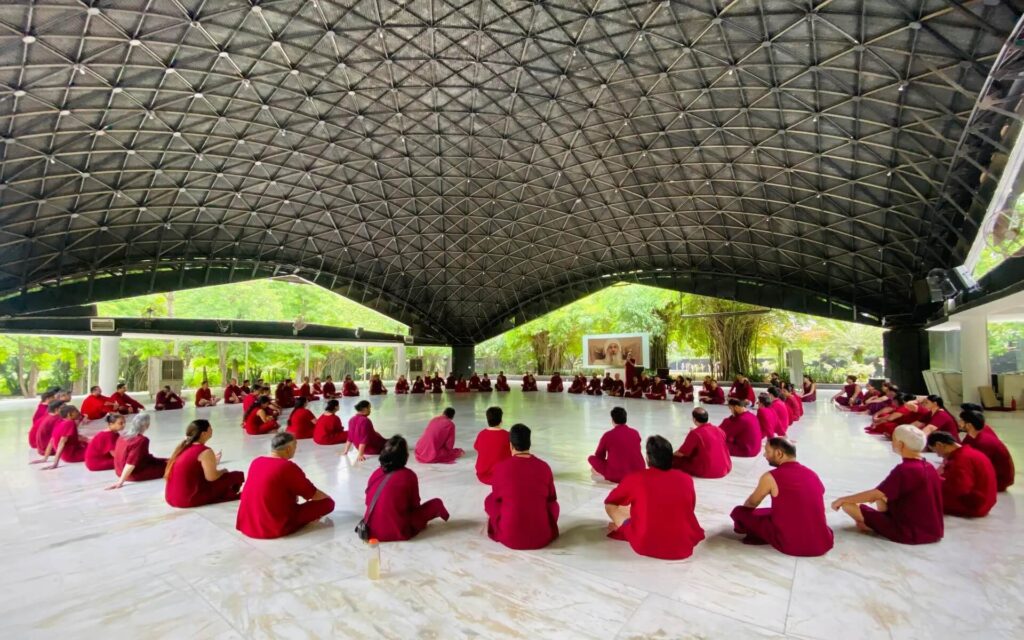
Osho Raman Ashram is a meditation and wellness center in Delhi, India, dedicated to spreading the teachings of Osho. It offers immersive meditation programs and retreats designed to facilitate inner transformation through Osho’s dynamic and silent meditation techniques.
Key facts
- Location: Delhi, India
- Affiliation: Inspired by Osho’s philosophy and teachings
- Programs: Meditation camps, workshops, spiritual retreats
- Focus: Personal transformation and mindfulness through Osho meditations
Origins and Purpose
Osho Raman Ashram was founded to provide a peaceful environment where individuals can explore meditation as a means of self-awareness and transformation. The ashram embodies Osho’s vision of “Zorba the Buddha,” which integrates inner stillness with joyous living. Its programs blend traditional Eastern spiritual practices with modern therapeutic methods, aligning with Osho’s emphasis on self-realization through direct experience.
Activities and Programs
Regular meditation camps, weekend workshops, and multi-day retreats form the core of Osho Raman Ashram’s offerings. These include dynamic, kundalini, and nadabrahma meditations—techniques developed or popularized by Osho to help participants release emotional blockages and achieve inner silence. The ashram also organizes group visits to major Osho centers such as Osho International Meditation Resort for deeper engagement.
Setting and Experience
Located in a serene area of Delhi, the ashram’s facilities are designed to support reflective practice. Participants meditate in open and enclosed spaces surrounded by greenery, combining tranquility with community energy. The center fosters an inclusive atmosphere where seekers from varied backgrounds can meditate, celebrate, and share personal insights.
Broader Significance
Osho Raman Ashram contributes to the global Osho movement by nurturing meditation-based communities in northern India. Its role extends beyond instruction, serving as a living space for experimentation with consciousness and contemporary spirituality grounded in Osho’s teachings.
Heartfulness Meditation Centre

The Heartfulness Institute is a non-profit spiritual and educational organization based in India that promotes meditation and personal development practices. It focuses on “Heartfulness Meditation,” derived from the Sahaj Marg tradition, emphasizing relaxation, heart-centered living, and inner transformation. The institute operates globally with centers in over 130 countries.
Key facts
- Founded: 2013 (as Heartfulness Institute)
- Headquarters: Hyderabad, Telangana, India
- Guide: Kamlesh D. Patel (Daaji)
- Affiliation: Sahaj Marg / Shri Ram Chandra Mission
- Main campus: Kanha Shanti Vanam meditation center
Origins and Philosophy
Heartfulness grew out of the Shri Ram Chandra Mission, established in 1945 by Ram Chandra of Shahjahanpur. The institute teaches meditation on the heart as the seat of emotion and consciousness. It emphasizes balancing inner stillness with external action, aiming to help practitioners cultivate clarity, compassion, and purpose in everyday life.
Global Reach and Activities
Heartfulness operates learning centers, online platforms, and youth programs worldwide. Its sessions, often offered free of charge, reach individuals in schools, workplaces, and communities. The Kanha Shanti Vanam headquarters near Hyderabad hosts large-scale meditation gatherings and wellness initiatives, including green-campus sustainability projects and wellness research.
Leadership and Programs
Daaji, the current global guide, succeeded Parthasarathi Rajagopalachari (Chariji) and continues to develop the movement’s modern expression. The institute provides structured programs such as “Heartfulness Relaxation,” “Meditate with a Trainer,” and wellness initiatives integrating yoga and mindfulness. It collaborates with educational institutions and NGOs to promote mental well-being and values-based living.
Research and Social Impact
The institute’s Heartfulness Research team partners with universities to study the physiological and psychological effects of meditation. Beyond spiritual teaching, it undertakes tree-planting drives, disaster relief, and community development projects, positioning Heartfulness as both a contemplative and socially engaged movement.
Adhyatm Sadhna Kendra Chhatarpur
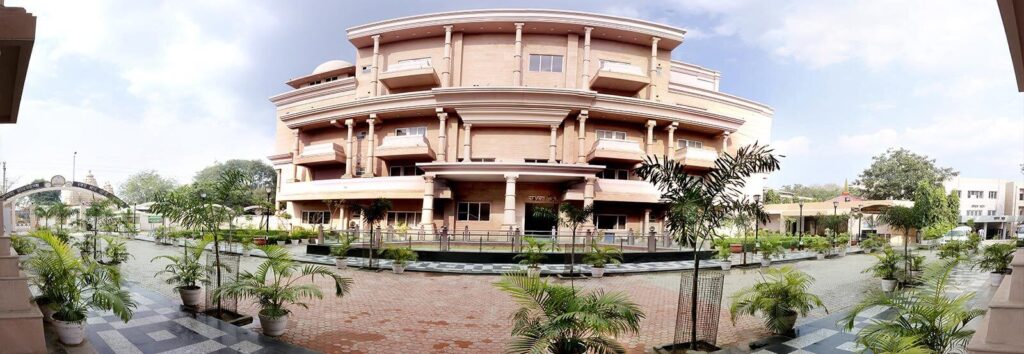
Adhyatm Sadhna Kendra is a spiritual and wellness center in Chhatarpur, New Delhi, India, devoted to yoga, meditation, and naturopathy. Established in 1965 by the Akhil Bhartiya Anuvrat Nyas under the guidance of Yuga-Pradhan Ganadhipati Shri Tulsi, it serves as a major Preksha Meditation hub in North India, promoting holistic health and self-realization through non-sectarian spiritual practices.
Key facts
- Founded: 1965
- Founders: Acharya Tulsi and Acharya Mahapragya
- Location: Near Chhatarpur Temple, New Delhi, India
- Affiliation: Akhil Bhartiya Anuvrat Nyas; Indian Yoga Association member
- Focus areas: Yoga, Preksha Meditation, Naturopathy, Kayotsarga, Diet Counseling
Origins and Philosophy
Rooted in Jain spiritual philosophy, the center reflects the reformist vision of Acharya Tulsi, who founded the Anuvrat Movement to inspire moral and spiritual renewal. His disciple, Acharya Mahapragya, systematized Preksha Meditation in the 1970s, combining ancient contemplative practices with modern scientific understanding. Adhyatm Sadhna Kendra embodies these ideals by fostering inner transformation and stress-free living.
Facilities and Programs
The center spans a green, serene campus featuring large meditation and lecture halls, residential accommodations, a naturopathy clinic, and a vegetarian dining facility. It hosts bi-monthly health and rejuvenation camps addressing chronic conditions like hypertension, diabetes, and stress through yoga, meditation, diet therapy, and color therapy. The Kendra also offers academic courses in yoga and meditation under Jain Vishva Bharati University.
Activities and Community Engagement
Regular programs include residential Preksha Meditation workshops, corporate excellence retreats, and therapy sessions integrating yoga, pranayama, and naturopathy. The center’s mission is to create a society grounded in physical, mental, and spiritual harmony. Its inclusive approach welcomes participants irrespective of caste, creed, or faith, drawing seekers from India and abroad.
Legacy and Impact
For over five decades, Adhyatm Sadhna Kendra has been a cornerstone of Delhi’s spiritual landscape. By integrating traditional Jain wisdom with modern wellness disciplines, it continues to serve as a retreat for holistic healing, self-awareness, and ethical living.
Tushita Mahayana Meditation Centre, Delhi
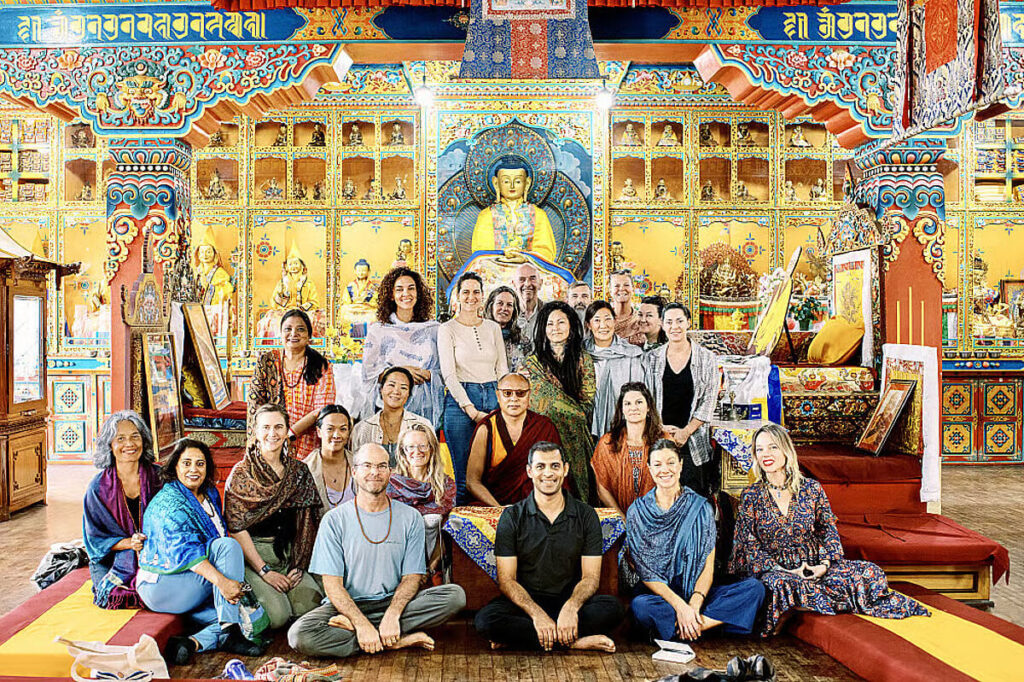
Tushita Mahayana Meditation Centre is a Tibetan Buddhist organization in New Delhi, India, dedicated to the study and practice of the Mahayana tradition. Founded in 1979 under the spiritual guidance of Lama Thubten Yeshe and Lama Thubten Zopa Rinpoche, it is part of the global Foundation for the Preservation of the Mahayana Tradition network. The center serves as a leading venue for meditation, teachings, and Buddhist study in Delhi.
Key facts
- Founded: 1979
- Affiliation: Foundation for the Preservation of the Mahayana Tradition (FPMT)
- Location: 9 Padmini Enclave, Hauz Khas, New Delhi – 110016
- Tradition: Tibetan Mahayana Buddhism (Gelug lineage)
- Director: Spiritual guidance of Lama Thubten Zopa Rinpoche
Background and Affiliation
Established to make Mahayana teachings accessible in India’s capital, the centre follows the Gelug school of Tibetan Buddhism and operates under the FPMT, an international network founded by Lama Yeshe and Lama Zopa Rinpoche. It continues to uphold their vision of integrating Buddhist philosophy and meditation into daily life for practitioners of all backgrounds.
Programs and Activities
Tushita offers a wide range of programs including guided meditation, contemplation sessions, pujas, and sutra recitations such as the Golden Light Sutra and Sanghata Sutra. Regular “drop-in” meditation sessions—both mindfulness and analytical—are held at the Hauz Khas centre and online via Zoom, open to all levels of experience.
Community and Outreach
The centre hosts teachings by visiting lamas and senior practitioners, and has welcomed eminent Tibetan masters including The 14th Dalai Lama, the Karmapa, and Tai Situ Rinpoche. Activities are donation-based, encouraging accessibility and community participation.
Facilities and Contact
Located in the quiet Hauz Khas Enclave, the centre features a meditation hall, library, and spaces for group practice. It operates daily and offers hybrid programs via digital platforms. Tushita Mahayana Meditation Centre remains a prominent site for Buddhist learning and contemplation in India, promoting peace, compassion, and wisdom in the modern urban setting.
Sadhguru Sannidhi, Chattarpur

Sadhguru Sannidhi Chattarpur is the Isha Foundation’s spiritual and yoga center in New Delhi, India. Conceived by Sadhguru Jaggi Vasudev, it serves as a consecrated urban sanctuary for meditation, yogic practice, and devotion amid the capital’s bustle. The non-residential center features the Linga Bhairavi Devi Sannidhanam, Aroopa Hall, and other sacred spaces fostering inner transformation.
Key facts
- Location: 4 Osho Drive, Mandi Gaon Road, Gadaipur, Near Chattarpur Metro, New Delhi 110030
- Timings: 7:30 AM – 8:30 PM (daily; ritual hours vary)
- Main deity: Linga Bhairavi Devi Sannidhanam
- Programs: Inner Engineering, Hatha Yoga, Ekadashi Sadhana, Satsangs
Consecrated spaces
The centerpiece, Linga Bhairavi Sannidhanam, enshrines the Divine Feminine in a copper-adorned sanctum. Daily Āratis and full-moon rituals invite devotees to receive Devi’s grace for wellbeing and prosperity. Aroopa Hall houses the Sadhguru Sannidhi Pada Yantra, a sacred geometric tool installed in 2024, and hosts transformative offerings such as Guru Pooja and meditative retreats. A smaller Shrine enables weekend darshans and Guru Pooja ceremonies.
Offerings and rituals
Regular Devi-related sevas—Vastram Arpanam, Bhairavi Vilakku Seva, Mala Arpanam, and Klesha Nashana Kriya—support devotees at life milestones. Family ceremonies like Vidyarambham (initiation into learning) and Anna Prasanam (first solid food) are conducted in the Bhairavi presence. Special days—Navratri, Purnima, Amavasya, and Mahashivratri—draw large gatherings for collective meditation and chanting.
Activities and community
The center runs Inner Engineering Retreats and Hatha Yoga Programs, blending classical yogic science with modern accessibility. Monthly satsangs, Shivanga Spurthi (live from Isha Yoga Center), and Sadhguru Darshan sessions sustain community engagement. Volunteering opportunities and donations help maintain the consecrated infrastructure and extend Isha’s environmental and outreach initiatives in northern India.
Practical Tips for Visiting Ashrams in Delhi
- Dress modestly (shoulders and knees covered).
- Maintain silence in meditation halls.
- Check program schedules in advance—many require prior registration.
- Some centres allow only registered participants for retreats.
- Photography may be restricted inside meditation areas.
Final Perspective
Ashrams and spiritual centres in Delhi offer diverse pathways—devotional, philosophical, meditative, and service-oriented. Whether you seek structured yogic discipline, silent retreats, community-based worship, or contemporary meditation techniques, Delhi’s spiritual landscape supports authentic and meaningful engagement.
For spiritual tourism itineraries in North India, these centres provide depth beyond sightseeing—offering introspection, tradition, and transformative experiences.