
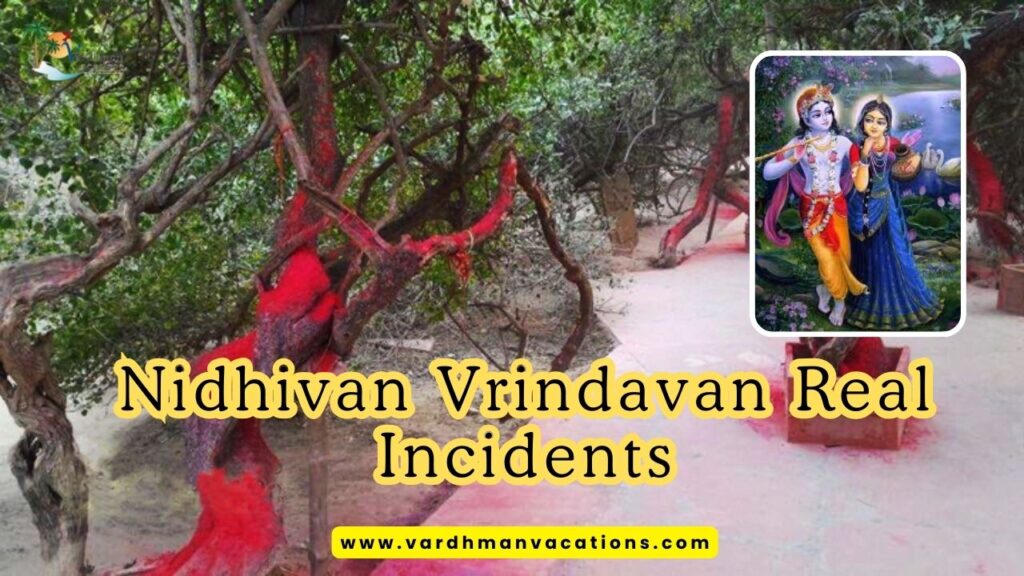
Unveiling the Enigma: Real Incidents and Enduring Mysteries of Nidhivan in Vrindavan
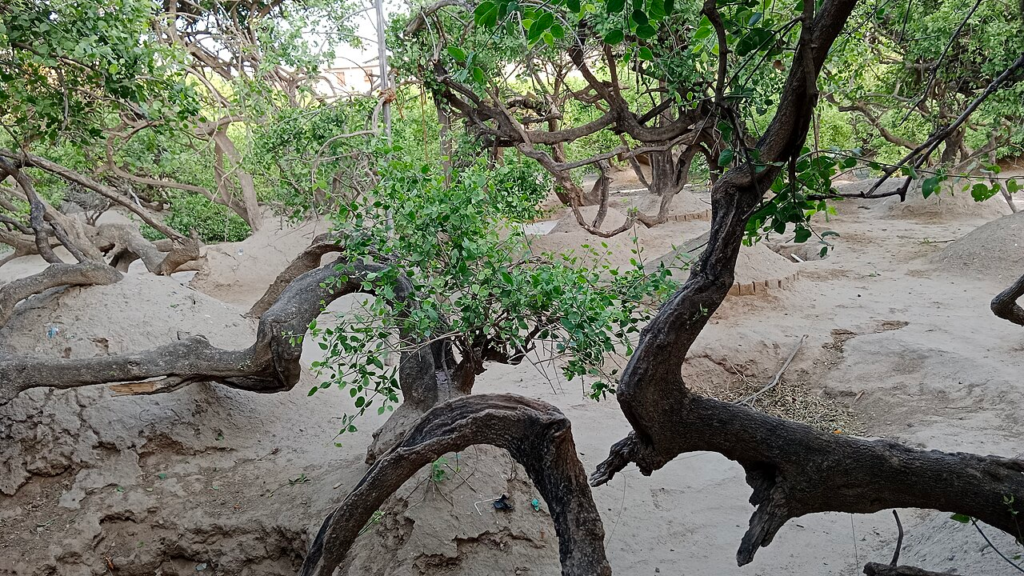
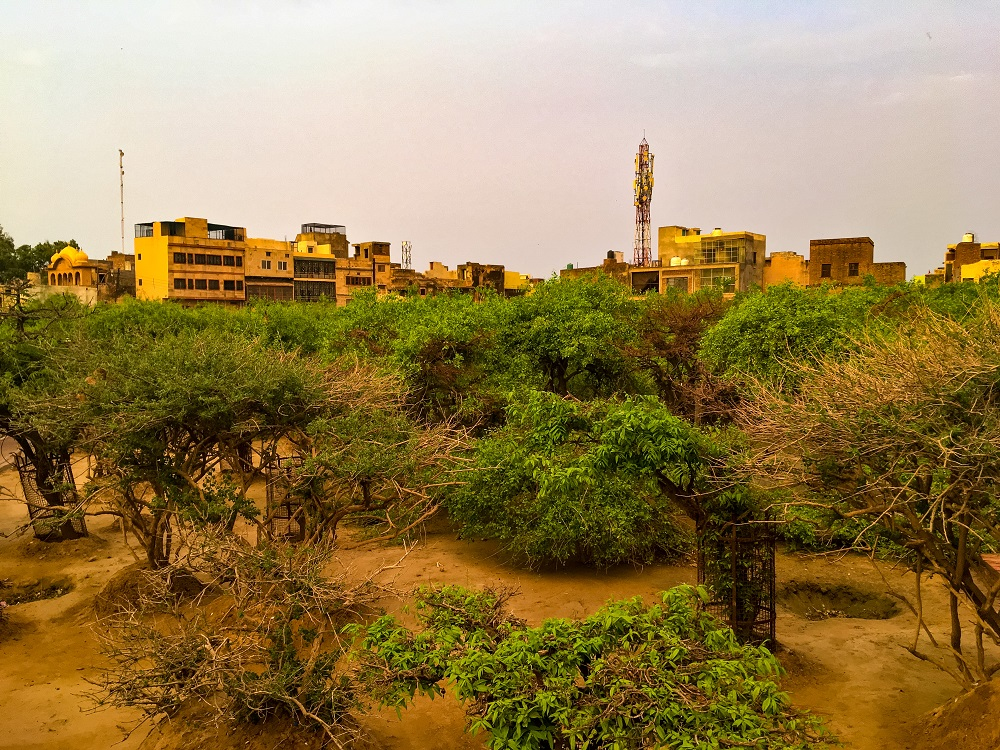
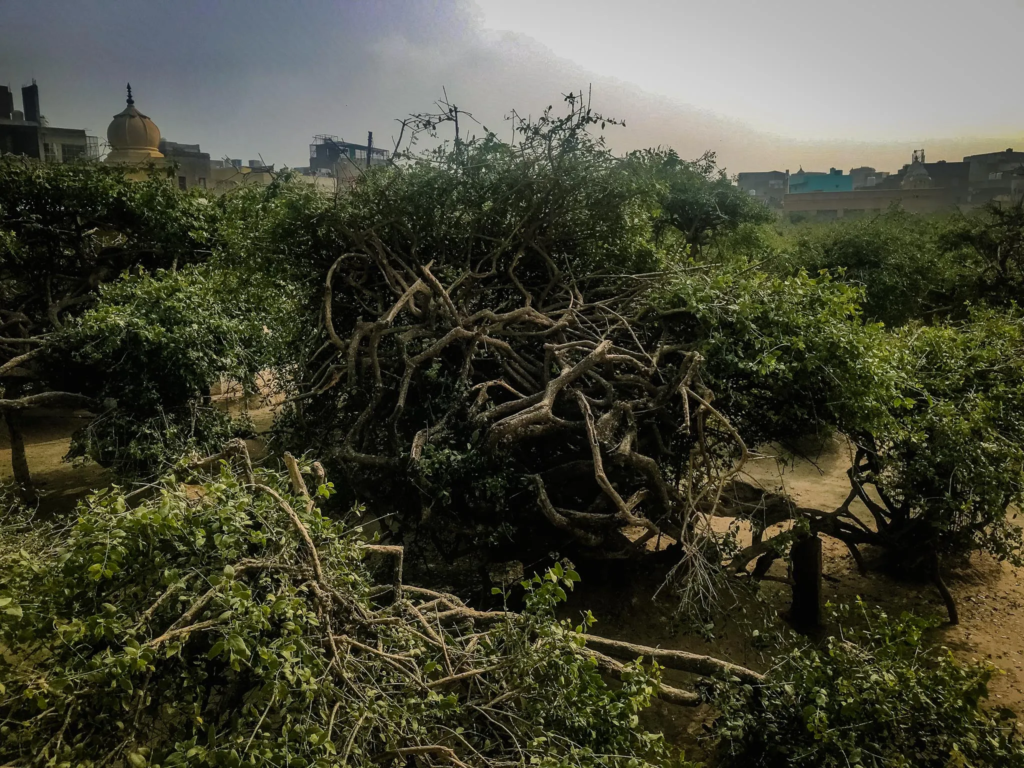
Nestled in the heart of Vrindavan, a town steeped in the lore of Lord Krishna, lies Nidhivan—a sacred grove that has captivated devotees, skeptics, and curious travelers for centuries. This forested area, dotted with twisted tulsi (holy basil) trees and ancient shrines, is more than just a pilgrimage site; it’s a place where myth blurs with reality, and whispers of divine play echo through the night. Believed to be the eternal playground of Krishna and his consort Radha, Nidhivan draws millions annually, not just for its spiritual aura but for the spine-tingling tales of what happens after sunset.
In this extensive exploration, we’ll delve into the historical roots, the core legends, documented incidents, and even skeptical perspectives on Nidhivan. Drawing from various sources, including local accounts and media reports, we’ll separate folklore from fact while honoring the site’s profound cultural significance. Whether you’re a believer in the supernatural or a rational inquirer, Nidhivan’s stories offer a fascinating glimpse into India’s rich tapestry of faith and mystery.
The Historical and Mythological Foundations of Nidhivan
Vrindavan, part of the Brajbhoomi region, is intrinsically linked to Krishna’s life. While Mathura marks his birthplace and Gokul his childhood home, Vrindavan is where the young god is said to have engaged in playful romances with the gopis (cowherd girls), culminating in the iconic raas leela—a divine dance of love and devotion. Nidhivan, translating to “treasure forest,” is central to this narrative. Legend holds that it was established by the saint Haridas Thakur, who performed intense penance to invite Krishna’s presence. Through his devotion, the grove flourished with tulsi plants, each pair intertwined as if embracing—symbolizing the gopis and their eternal bond with Krishna.
The site’s mythology posits that every night, after the sun sets, Krishna returns to Nidhivan with Radha and the gopis to reenact the raas leela. The tulsi trees are believed to transform into the gopis, dancing in ecstasy. To preserve this sacred privacy, the grove is evacuated at dusk, with gates locked and no humans—or even animals—allowed inside. Priests prepare offerings in the Rang Mahal (a small chamber within the grove), including a bed, water, paan (betel leaves), and cosmetics, which are reportedly found used or disturbed by morning. These subtle changes—a crumpled bedsheet, nibbled paan, or shifted bangles—are seen by devotees as proof of divine visitation, though skeptics attribute them to natural factors like rodents or environmental shifts.
Nidhivan also houses shrines like the Bansichori Radharani Temple, commemorating the event where Radha stole Krishna’s flute, adding layers to its mythological allure. The grove’s unique features, such as a network of cenotaphs (memorials for deceased loved ones) and a cane tunnel for daytime exploration, enhance its mystical vibe. But it’s the nighttime prohibition that fuels the most intrigue, leading to tales of eerie sounds—flutes playing, anklets jingling—and warnings against intrusion.
The Core Mystery: What Happens After Midnight?
At the heart of Nidhivan’s enigma is the belief that witnessing the raas leela is forbidden for mortals. Locals and devotees maintain that the divine dance is a private affair, and any attempt to spy on it invites calamity. Neighbors have reported hearing ethereal music and rhythmic anklet sounds emanating from the locked grove at night, reinforcing the legend. Even animals, like the usually bold monkeys of Vrindavan, are said to vacate the area after sunset.
The Rang Mahal ritual is particularly compelling. Each evening, priests secure the chamber under multiple locks, leaving behind items for Radha’s adornment. By dawn, these are often found in disarray—makeup used, saris rumpled, or a toothbrush displaced—as if someone had visited respectfully. Believers interpret this as Radha’s nightly shringar (adornment) routine, while rational explanations point to humidity, insects, or subtle human interference. Despite no official bans from authorities, the unwritten rule persists out of devotion, with truth in Vrindavan defined by spiritual “bhav” (emotion) rather than empirical evidence.
Documented and Reported Incidents: From Folklore to Modern Intrusions
While many stories about Nidhivan are oral legends passed down generations, some incidents have made headlines, blending myth with verifiable events. These accounts often involve individuals defying the nighttime ban, with outcomes ranging from psychological distress to legal consequences.
Legends of Trespassers and Their Fates
Generations of locals narrate chilling tales of those who hid in Nidhivan after dark to witness the raas leela. Invariably, these stories end in tragedy: intruders found unconscious, terrified, deranged, blind, or even dead the next morning. No specific names or dates are typically provided, suggesting these are cautionary folktales rather than documented history. However, they underscore the cultural taboo, with small marble structures in the grove allegedly serving as memorials for such daring souls.
One intriguing anecdote involves a media team’s attempt to install CCTV cameras in the grove to capture nighttime activity. The next day, the devices were recovered intact but contained no footage, despite functioning perfectly elsewhere. This fuels speculation of supernatural interference, though technical glitches or sabotage offer plausible alternatives.
The YouTuber’s Nighttime Intrusion (2021)
A rare, verifiable incident occurred in November 2021 when Delhi-based YouTuber Gaurav Sharma, along with his cousin Prashant and friends Mohit and Abhishek, scaled the walls of Nidhivan Raj (a Krishna temple within the grove) at night. Motivated by curiosity about the restricted site—believed to host Krishna and Radha’s raas leela—Sharma filmed a 15-20 minute video inside, despite the prohibition. He uploaded it to YouTube on November 9, but deleted it after protests from local priests.
Sharma was arrested from his Delhi home on November 15 and sent to judicial custody. Charges were filed under Section 295A of the Indian Penal Code (deliberate acts to outrage religious feelings) and Section 66 of the IT Act, based on a complaint by priest Rohit Goshwami. During interrogation, Sharma admitted visiting his uncle in nearby Mathura and acting on intrigue. His associates remained at large, and this wasn’t his first brush with controversy—he had been arrested earlier for a stunt involving his pet dog. This event highlights the real-world repercussions of challenging Nidhivan’s sanctity, blending modern digital culture with ancient beliefs.
The Girl’s Claim of Finding Radha’s Anklet (2025)
In a more recent and personal account, a ninth-grade girl from Pune shared her experience during a visit to Nidhivan in February 2025. A frequent pilgrim to Vrindavan for five years, she claims to have discovered an anklet hanging from a tree inside the grove around 6 PM. Believing it to be Radha Rani’s, she described an overwhelming sensation as if Radha herself appeared before her. The girl, who wears a Kanthimala (devotional necklace) and cleans the site regularly, plans to enshrine the anklet in her home temple, viewing Radha as her “second mother” and the item as a gift from the raas leela.
This story aligns with broader legends of nocturnal sounds and dire consequences for overnight stays, including madness or death. While unverified, it exemplifies how personal faith experiences perpetuate Nidhivan’s mystique.
Skeptical Perspectives: Debunking the Myths?
Not everyone buys into Nidhivan’s supernatural aura. Critics argue that the stories are fabricated to boost tourism or maintain religious control, with no scriptural basis for the raas leela claims. Suggestions for installing CCTVs to “debunk” the legends reflect a rationalist view that the phenomena stem from folklore rather than fact. Natural explanations for the Rang Mahal changes—such as animals or weather—and the lack of concrete evidence for trespasser tragedies support this stance.
Yet, even skeptics acknowledge the site’s cultural power. In a land where faith shapes reality, Nidhivan’s mysteries endure, inviting reflection on the interplay between belief and evidence.
Conclusion: A Timeless Enigma
Nidhivan remains a beacon of devotion and intrigue, where real incidents like the YouTuber’s arrest intersect with timeless legends. Whether divine dance or clever myth, its allure lies in the unknown. For those planning a visit, respect the customs—explore by day, and let the night belong to the gods. As Vrindavan teaches, some truths are felt, not seen.
If you’ve experienced Nidhivan firsthand, share your stories in the comments. Jai Shri Krishna!