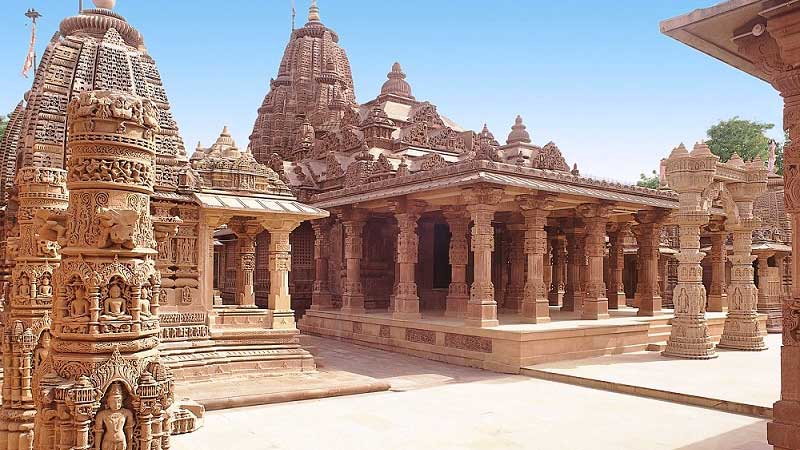


The Shree Ashta Mahaveer Yatra (also known as Astha Mahaveer Tirth Yatra) is a profoundly spiritual Jain pilgrimage circuit in Rajasthan, India, dedicated to Bhagwan Mahaveer Swami, the 24th Tirthankara of Jainism. This sacred journey covers eight ancient Jain tirthas (pilgrimage sites), many of which are linked to the five major Kalyanakas (auspicious events) in Lord Mahaveer’s life: Chyavan (conception), Janma (birth), Diksha (renunciation), Keval Gyan (omniscience), and Nirvan (liberation/moksha).
These sites hold immense significance for Jain devotees, as several feature Jivit Swami idols—ancient images believed to have been consecrated or present during Bhagwan Mahaveer’s lifetime, radiating living spiritual energy. The yatra offers opportunities for darshan, meditation, bhakti, parikrama, soul purification, and karmic shedding in serene, hilly landscapes rich in Jain heritage and traditional architecture. It’s especially meaningful for families, seniors, and sanghs seeking inner peace, discipline, and devotion in a compact timeframe.

The Eight Sacred Tirthas
Here are the eight key temples in the Ashta Mahaveer circuit:
- Shree Bamanwada Tirth — Associated with Chyavan Kalyanak (divine conception). Revered for its calm, spiritually vibrant surroundings that inspire purity and growth. Many devotees experience profound peace here.
- Shree Nandiya Tirth — Linked to Janma Kalyanak (birth of Lord Mahaveer). An ancient complex ideal for special pujas and prayers commemorating His arrival.
- Shree Mungthala Tirth — Connected to Diksha Kalyanak (renunciation). Inspires detachment from worldly ties, discipline, and awakening.
- Shree Nana Tirth — Tied to Keval Gyan Kalyanak (attainment of omniscience). A peaceful spot perfect for meditation and contemplation.
- Shree Diyana Tirth — Associated with Nirvan Kalyanak (liberation). Deeply philosophical, focused on soul purification and moksha aspirations.
- Hathundi (Rata Mahaveer) Tirth — Famous for its miraculous red-colored (Rata) idol of Bhagwan Mahaveer, a major draw for devotees seeking blessings.
- Varman Tirth — An ancient, powerful shrine known for strong spiritual energy and traditional rituals led by monks.
- Veerwada Tirth — One of the oldest sites, believed to be directly blessed by Lord Mahaveer. Highly sacred for extended prayers and devotion.

How to Undertake the Yatra
This pilgrimage is typically completed in 2 Nights / 3 Days, making it accessible and senior-friendly with short drives between sites:
- Day 1: Arrival in Rajasthan (nearest airports/railways in regions like Sirohi or nearby), check-in, darshan at Bamanwada and Nandiya, evening aarti, rituals, discourse, and stay.
- Day 2: Darshan at Mungthala, Nana, Diyana, Hathundi (Rata Mahaveer), and Varman; includes meditation, bhakti, and parikrama; overnight.
- Day 3: Morning darshan at Veerwada, prayers, and departure.
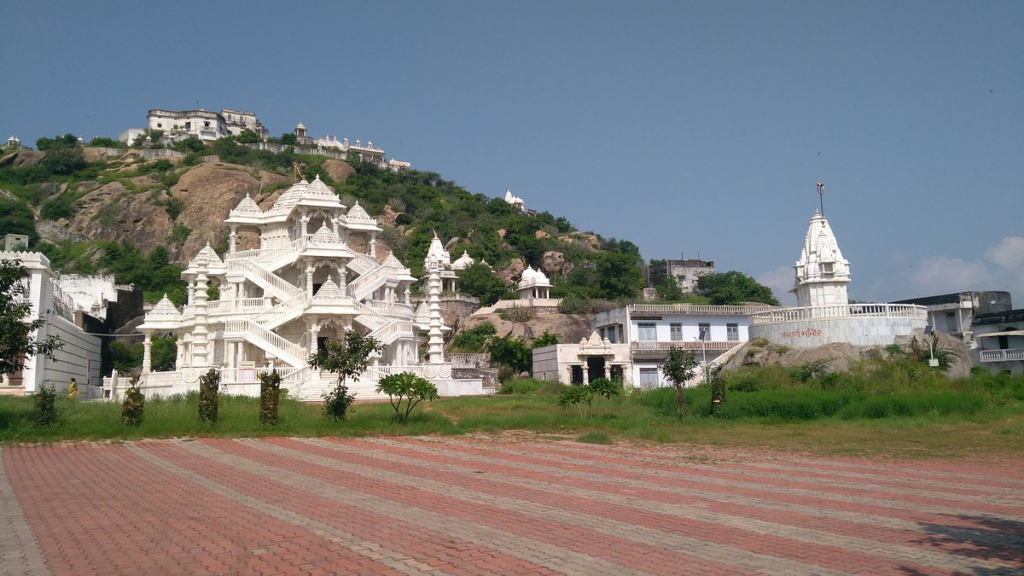
Stay in Jain dharamshalas, guest houses, or hotels near the tirthas. The best time is October to March for pleasant weather. Many opt for customized packages from Jain tour operators, including transport, veg meals, and guided darshan.
This yatra is more than travel—it’s a transformative journey tracing Bhagwan Mahaveer’s divine milestones, fostering devotion, reflection, and spiritual elevation.