


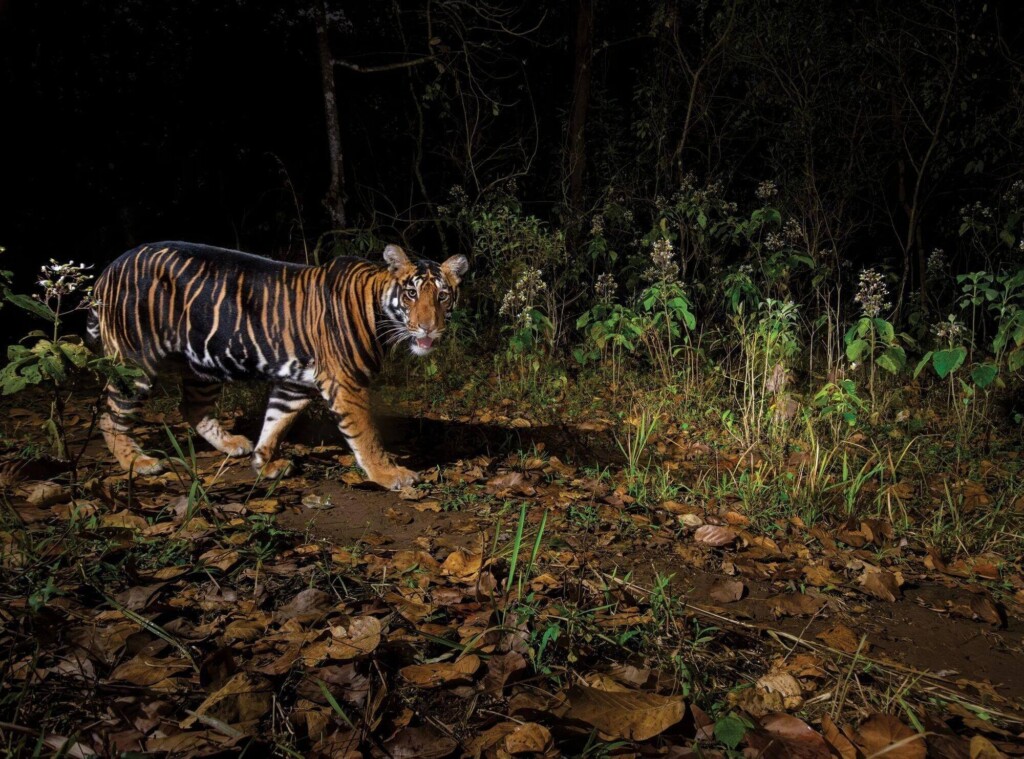
Imagine spotting a tiger unlike any other in the world – a magnificent big cat with unusually broad black stripes covering much of its orange coat. This rare wildlife spectacle is not a scene from a wildlife documentary. It is a natural phenomenon found in the forests of Similipal Tiger Reserve in Odisha, India.
Located in the Mayurbhanj district, Similipal Tiger Reserve is internationally recognised as the only known wild habitat of pseudo-melanistic tigers. These extraordinary animals have attracted the attention of wildlife researchers, photographers and nature enthusiasts from across the world.
But Similipal is much more than a destination for tiger lovers. Its vast forests, beautiful waterfalls, rolling hills, rivers, rich biodiversity and peaceful nature camps make it one of India’s most fascinating wildlife destinations.
Whether you are planning a wildlife photography holiday, a tiger safari or an offbeat nature escape, Similipal offers an unforgettable opportunity to explore the wilderness of eastern India.
Why is Similipal Famous for Black Tigers?
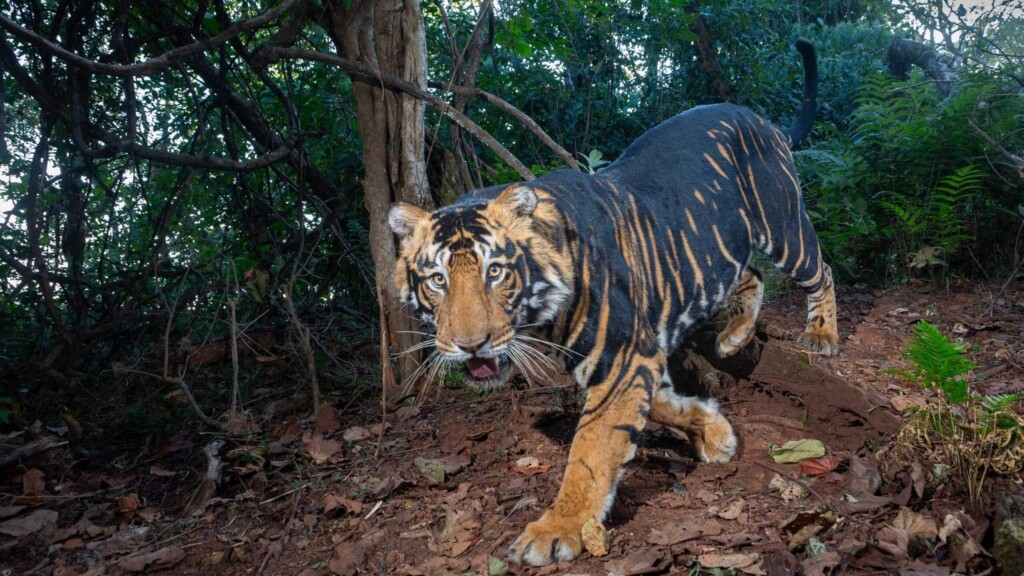
Similipal is famous for its rare black tigers, scientifically known as pseudo-melanistic tigers.
Unlike ordinary Bengal tigers, which have clearly separated black stripes against an orange coat, these unusual tigers have extremely broad and closely connected stripes. The dark markings cover much of their bodies, giving them an almost black appearance.
According to a camera-trap exercise conducted by the Odisha Forest Department in 2026, researchers identified 35 adult tigers, including 19 pseudo-melanistic individuals. The exercise also recorded 16 cubs, with findings communicated for scientific verification.
This makes Similipal particularly important for wildlife conservation and research. It is currently the only known place in the world where pseudo-melanistic tigers are found in the wild.
What Makes Black Tigers Different from Normal Tigers?
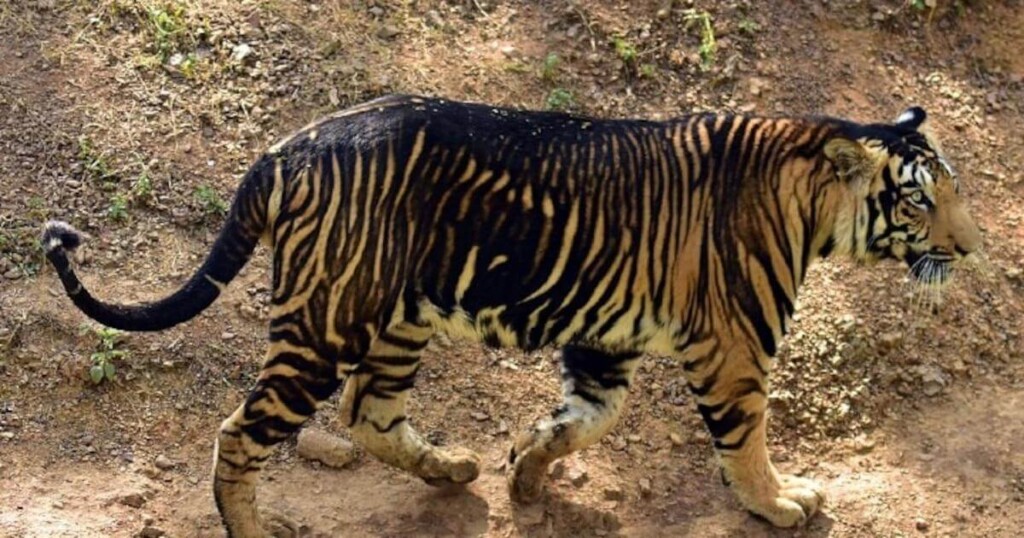
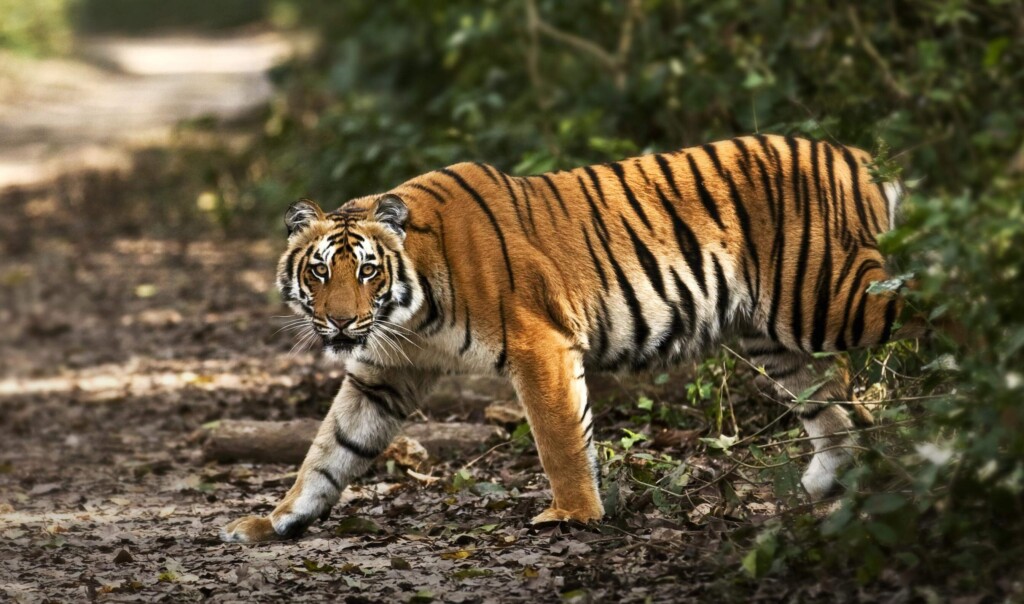
Black tigers are not a separate species of tiger. They are Bengal tigers with a rare genetic variation that changes their coat patterns.
This condition is called pseudo-melanism.
A scientific study published in the journal Proceedings of the National Academy of Sciences (PNAS) in 2021 identified a genetic variant in the Taqpep gene associated with this unusual coat pattern.
The genetic variation causes the tiger’s black stripes to become wider and merge together. As a result, the animal appears much darker than a typical Bengal tiger.
Researchers have also linked the unusually high frequency of this pattern in Similipal to the reserve’s relatively small and isolated tiger population.
This makes Similipal an important destination not only for wildlife tourism but also for understanding tiger genetics and conservation.
Discover the Natural Beauty of Similipal Tiger Reserve
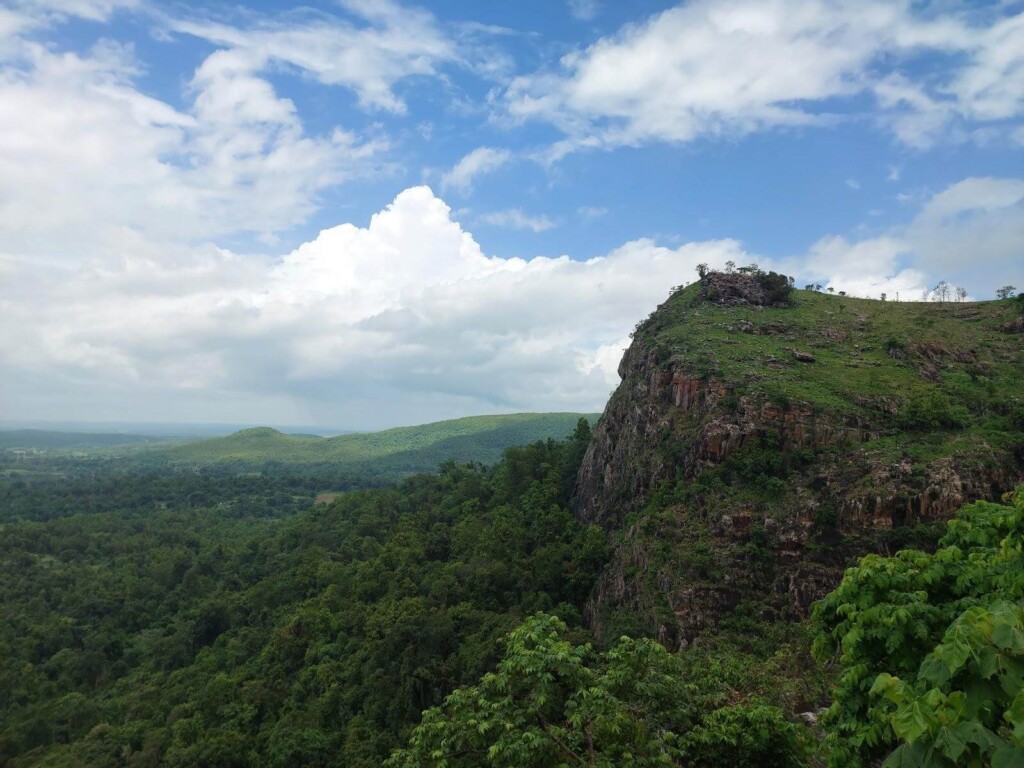
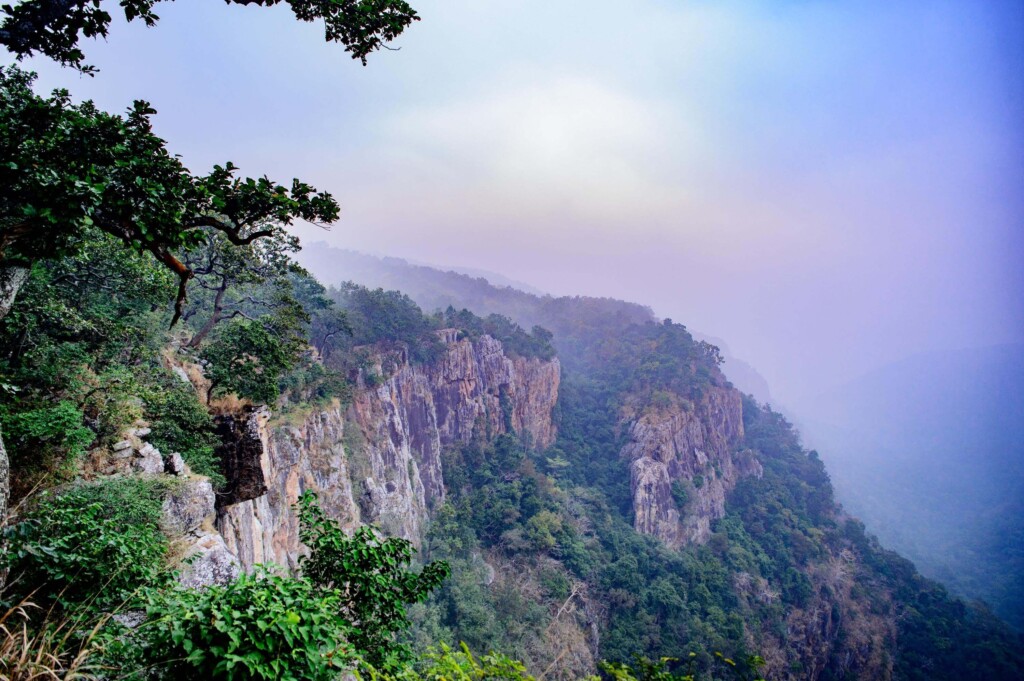
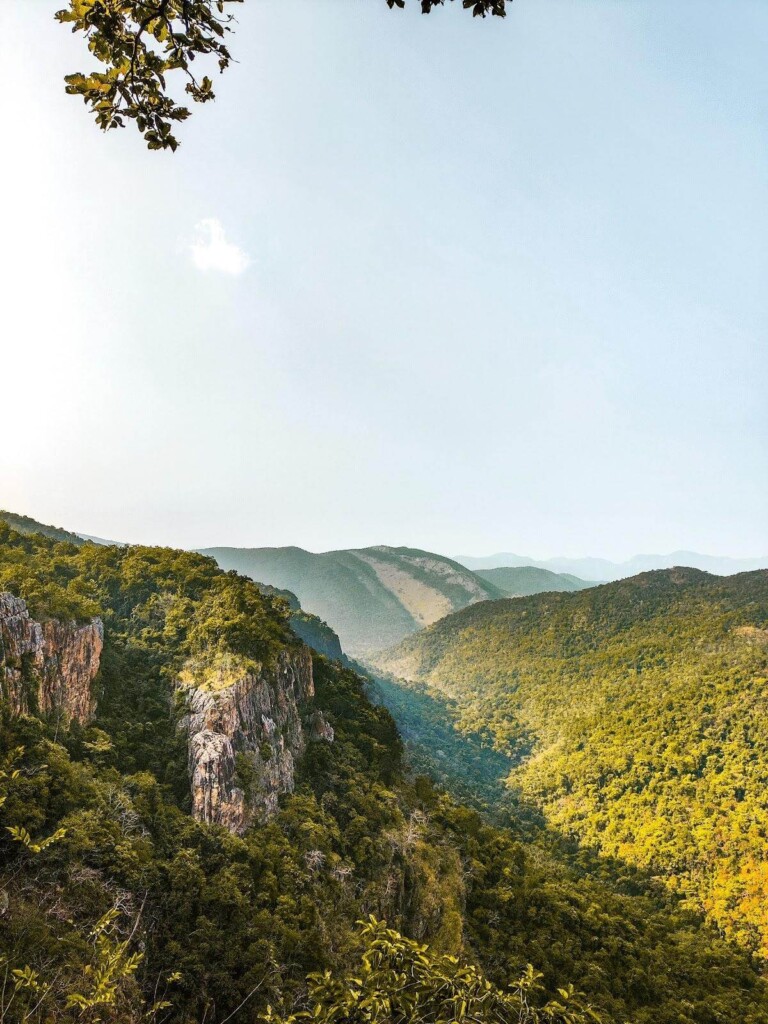
Spread across approximately 2,750 square kilometres, Similipal is a remarkable landscape of dense Sal forests, grasslands, rivers, valleys and hills.
The reserve forms an important part of the Similipal Biosphere Reserve, recognised under UNESCO’s Man and the Biosphere Programme.
Its natural environment supports a wide variety of wildlife, including elephants, leopards, gaurs, deer and numerous bird species.
Similipal is also known for its rich orchid diversity and beautiful waterfalls. The combination of wildlife, forest landscapes and natural attractions makes it ideal for travellers who want to experience a different side of India.
Top Places to Visit in Similipal Tiger Reserve
Apart from its famous tigers, Similipal offers several scenic attractions worth including in your wildlife holiday.
Barehipani Waterfall
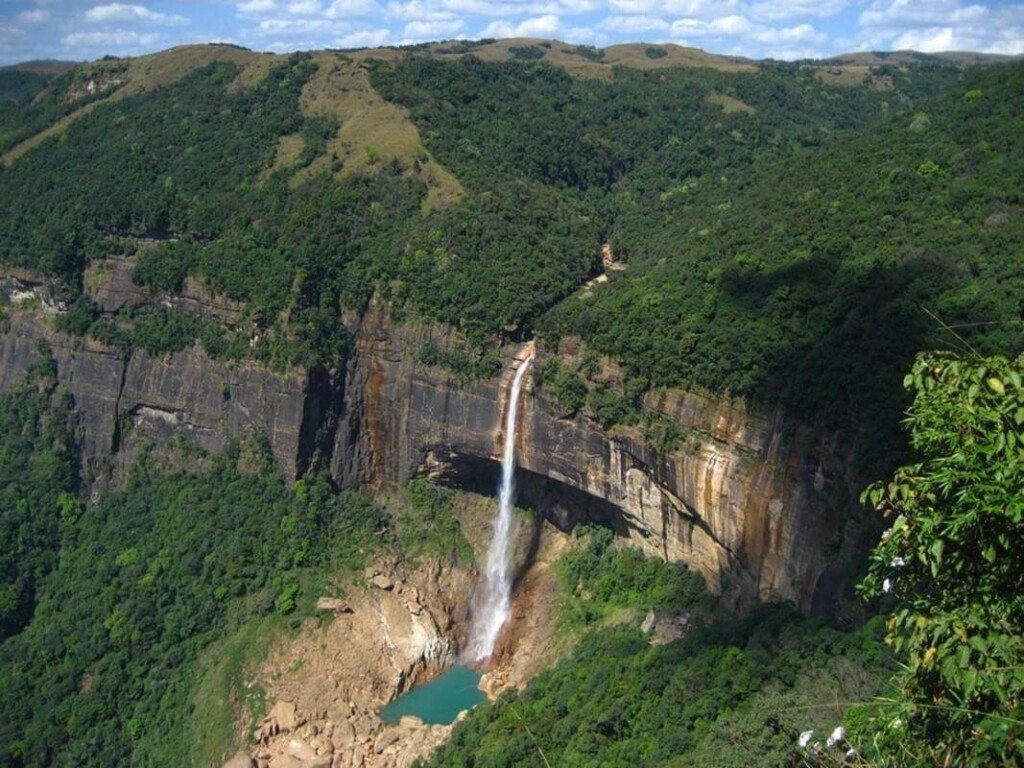
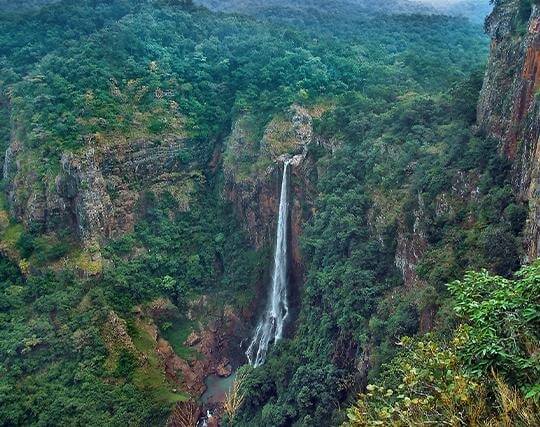
One of the most spectacular attractions in Similipal, Barehipani Waterfall is approximately 399 metres high. Surrounded by dense forests and green hills, it is an excellent destination for nature lovers and landscape photographers.
Joranda Waterfall
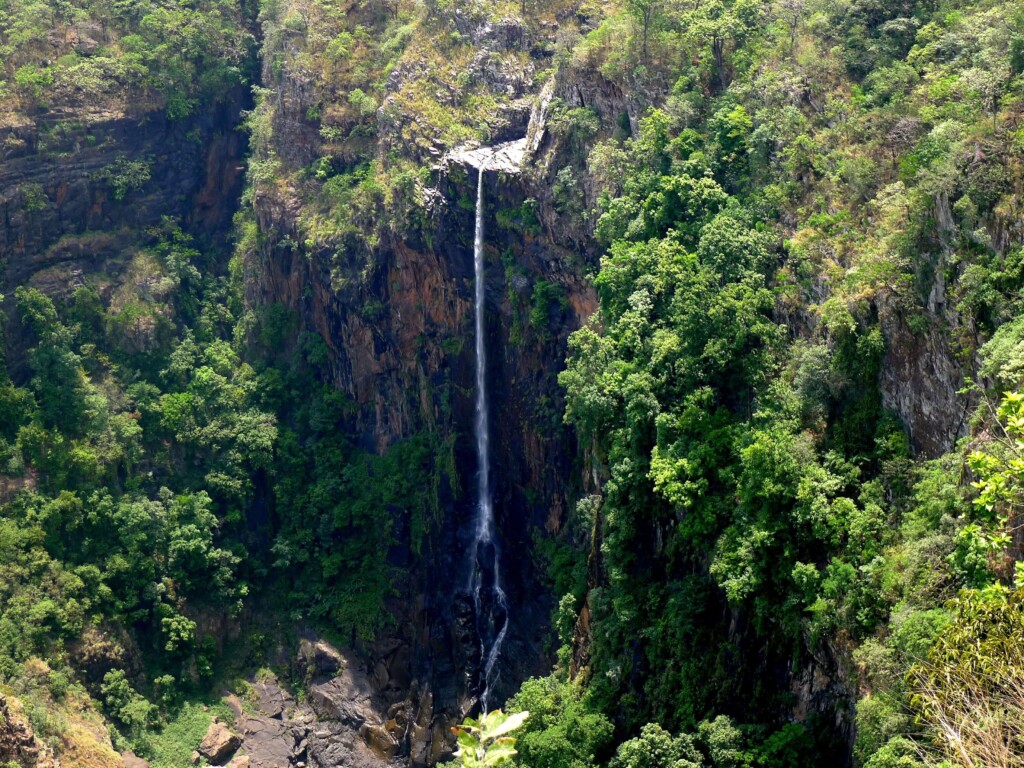
Joranda Waterfall is another beautiful waterfall inside the reserve. Its impressive cascade and peaceful forest surroundings make it a memorable stop during a visit to Similipal.
Chahala Meadow and Watchtower
Chahala is known for its open grassland landscape and wildlife observation opportunities. Visitors can enjoy the forest scenery and may spot animals from designated viewing areas.
Ramatirtha Crocodile Conservation Centre
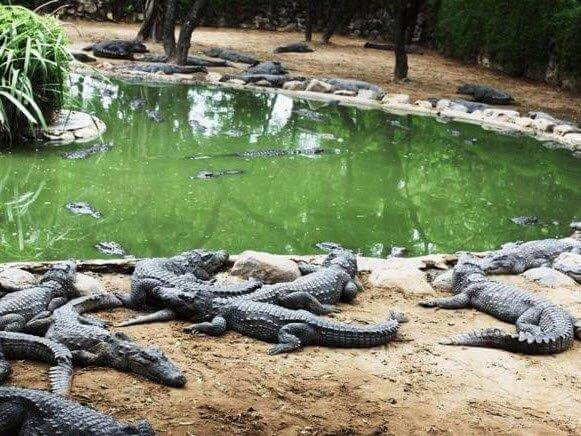
Ramatirtha is associated with crocodile conservation and is an interesting stop for travellers interested in reptiles and wildlife protection.
Devkund Waterfall
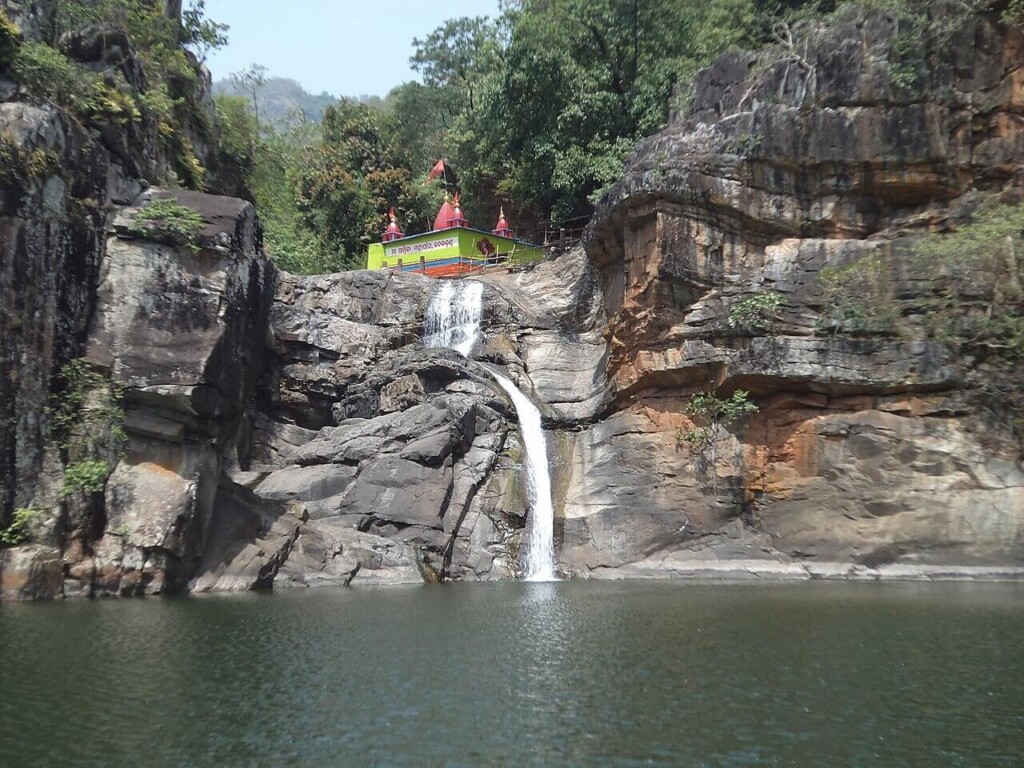
Devkund is a scenic natural attraction surrounded by forest landscapes. It is also associated with Maa Ambika Temple and attracts visitors interested in nature and spirituality.
These attractions offer a wonderful combination of wildlife, waterfalls, forest scenery and local natural heritage. Access to individual attractions depends on current forest permissions and visitor routes.
Wildlife Safari Experience in Similipal
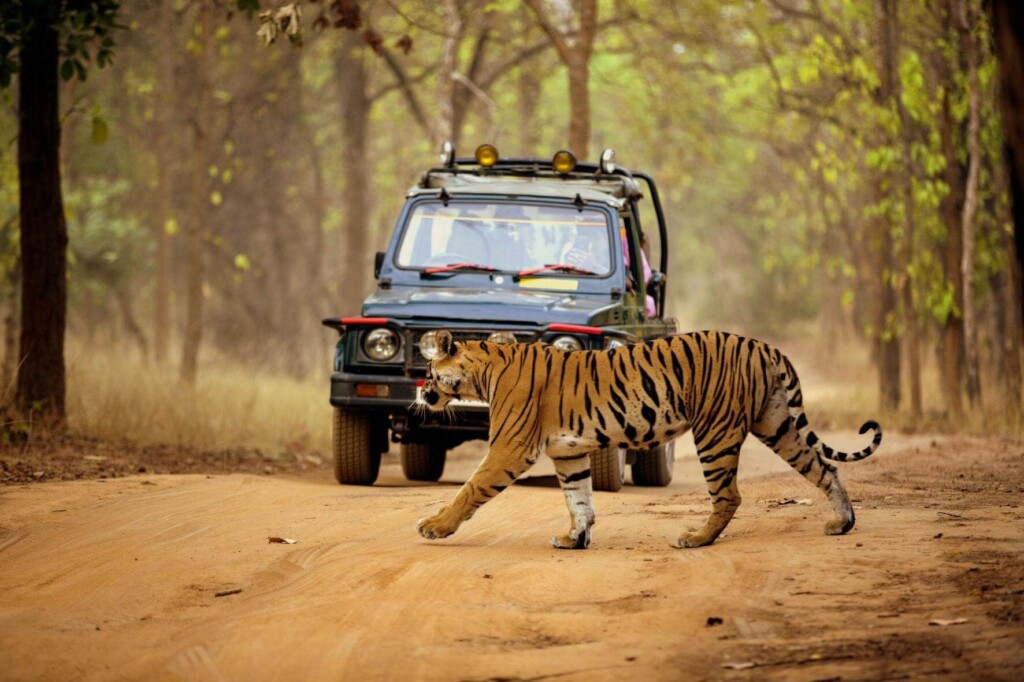
A wildlife safari is one of the best ways to explore the natural beauty of Similipal.
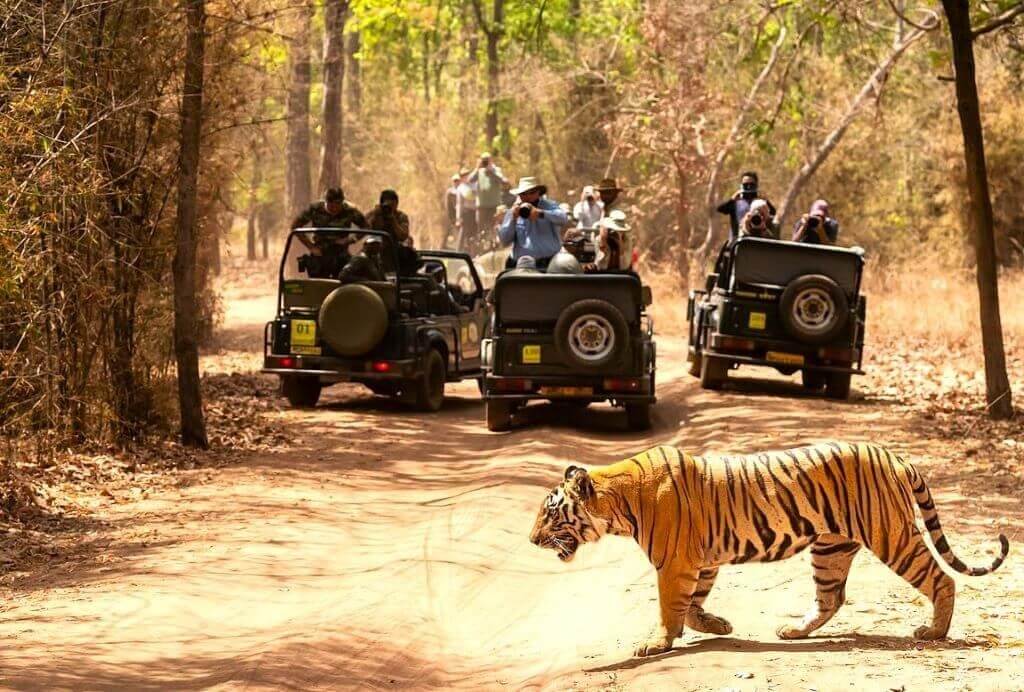
Visitors can explore designated forest routes through guided vehicles and open-jeep safari experiences, depending on availability and seasonal restrictions.
During your journey, you may encounter:
- Bengal tigers, including rare pseudo-melanistic tigers
- Indian elephants
- Leopards
- Indian gaurs (bison)
- Sambar and spotted deer
- Wild boars
- Various species of birds and reptiles
The forest experience is not limited to animal sightings. Travellers can also enjoy beautiful forest trails, scenic viewpoints, flowing streams and the peaceful atmosphere of the wilderness.
Important: Tiger sightings are never guaranteed. Wildlife moves freely through the forest, and visitors should enjoy the complete nature experience rather than expect to see a particular animal.
Nature Camps and Accommodation in Similipal
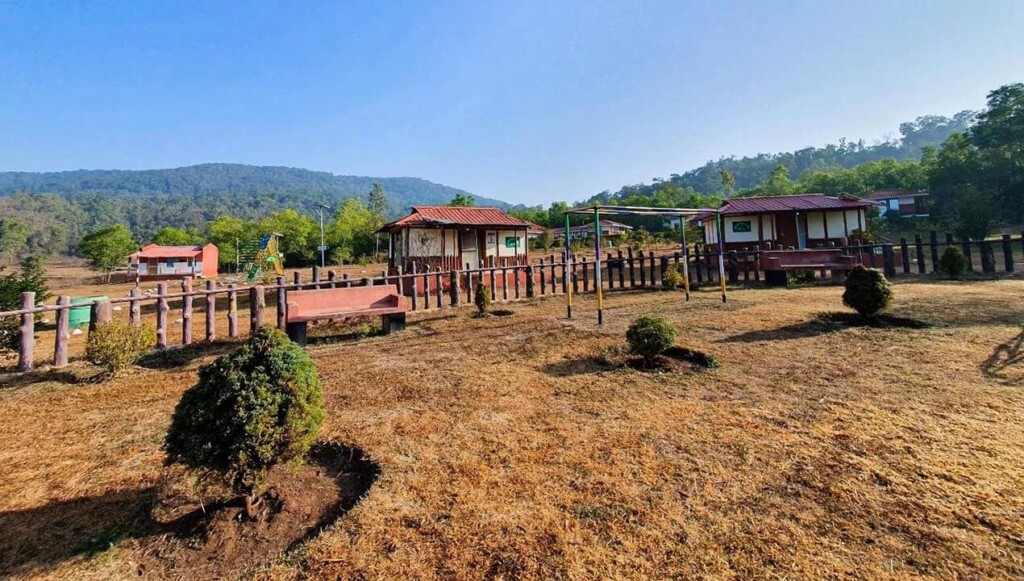
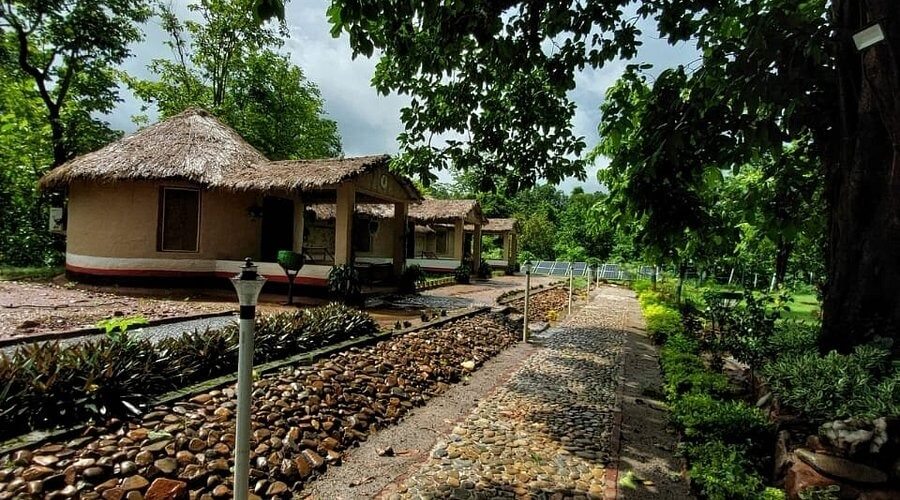
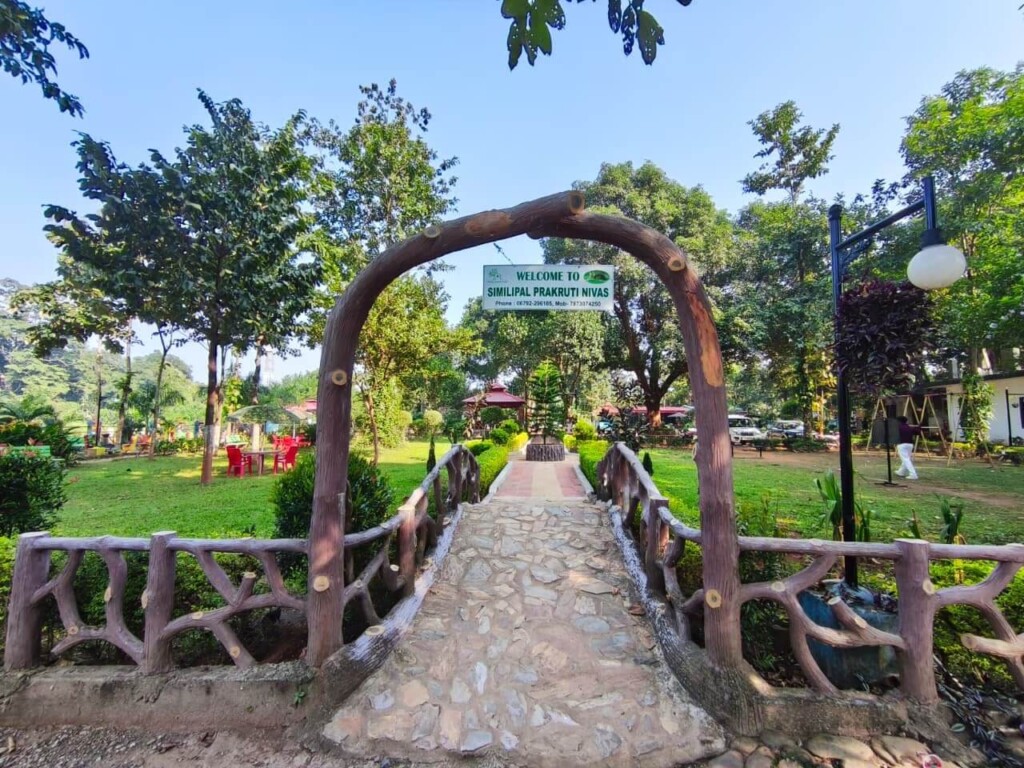
For travellers who want to spend more time in nature, Similipal offers community-managed nature camps and forest accommodation.
Staying overnight allows visitors to enjoy the peaceful surroundings, fresh forest air and early-morning bird activity.
Some popular nature camps include:
- Jamuani Nature Camp: A peaceful accommodation option near the Khairi River.
- Gurguria Nature Camp: Known for its forest surroundings and proximity to the orchidarium.
- Kumari Nature Camp: Located in the scenic Kumari Valley.
- Talabandha Nature Camp: Offers a relaxing forest stay surrounded by greenery.
- Barehipani Nature Camp: An attractive option for visitors exploring the waterfall region.
Advance reservations are recommended, especially during weekends, holidays and the peak winter season. Availability, facilities and access conditions should be confirmed before travelling.
Best Time to Visit Similipal Tiger Reserve
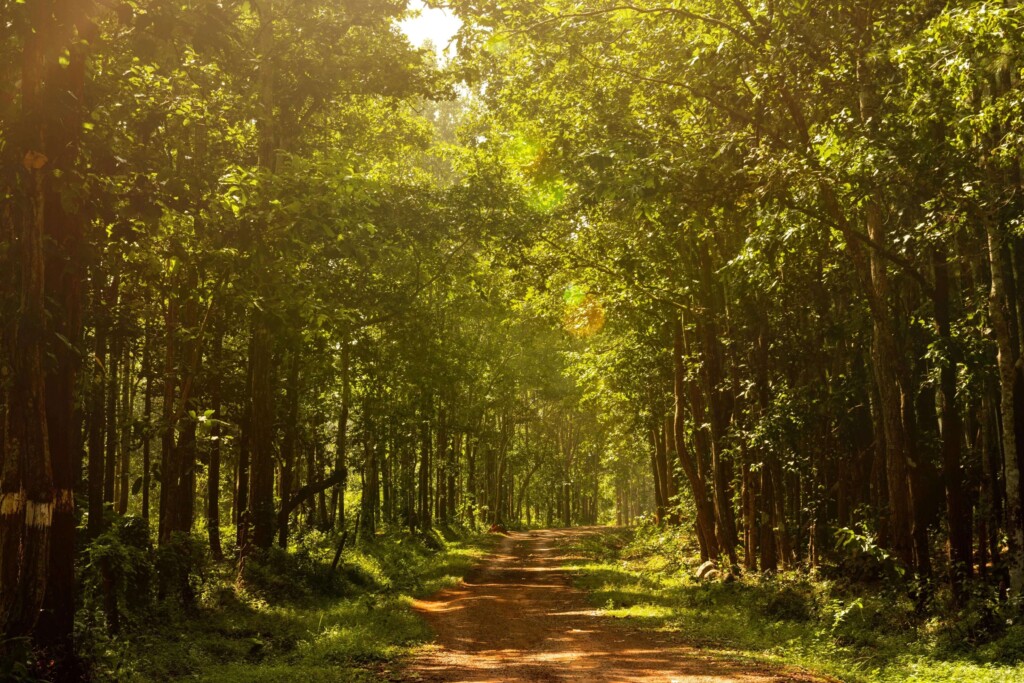
The best time to visit Similipal is generally between November and June, when the weather is suitable for exploring the forest and designated tourism areas.
Here is a seasonal guide:
| Season | Travel experience |
|---|---|
| November to February | Pleasant weather, cool mornings and excellent forest scenery |
| March to April | Warmer days and opportunities for wildlife observation |
| May to June | Hot weather, but forest experiences remain possible subject to permissions |
| July to October | Monsoon season, with restrictions on day visits and selected safari routes |
Winter (November to February) is particularly attractive for families, nature enthusiasts and wildlife photographers because of the comfortable weather.
The waterfalls are especially beautiful after the monsoon, although access depends on forest department permissions and road conditions.
Always check the latest visitor calendar before making your travel arrangements.
How to Reach Similipal Tiger Reserve
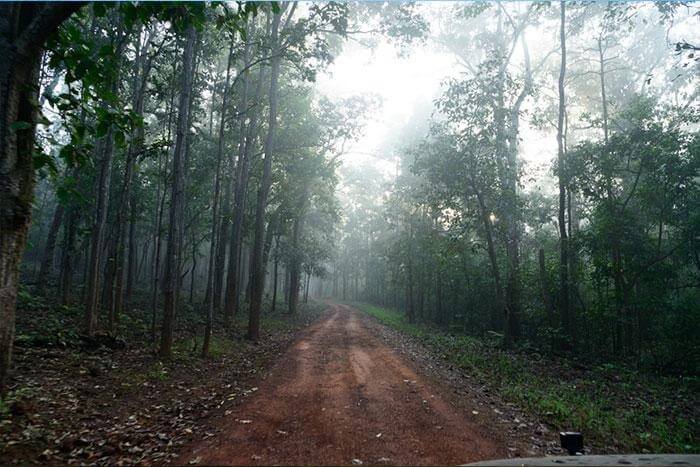
Similipal is located in the Mayurbhanj district of northern Odisha. It can be reached by road from major cities in Odisha and neighbouring states.
By Air: The nearest major airport is Biju Patnaik International Airport in Bhubaneswar. Odisha Tourism lists the distance to Similipal at approximately 192 km. Travellers can continue their journey by private car or taxi.
By Train: Baripada Railway Station is a convenient railway access point for visitors travelling to the region. Other rail connections can be planned through nearby major railway stations depending on the origin city.
By Road: Similipal can be reached by road from Baripada, Jashipur and other towns in northern Odisha.
Private cars and chauffeur-driven vehicles are convenient options for travellers who want flexibility while exploring the region. For a comfortable journey, Vardhman Vacations can help travellers plan suitable car and coach transportation from their arrival city, subject to route and vehicle availability.
Entry Gates, Safari Booking and Travel Information
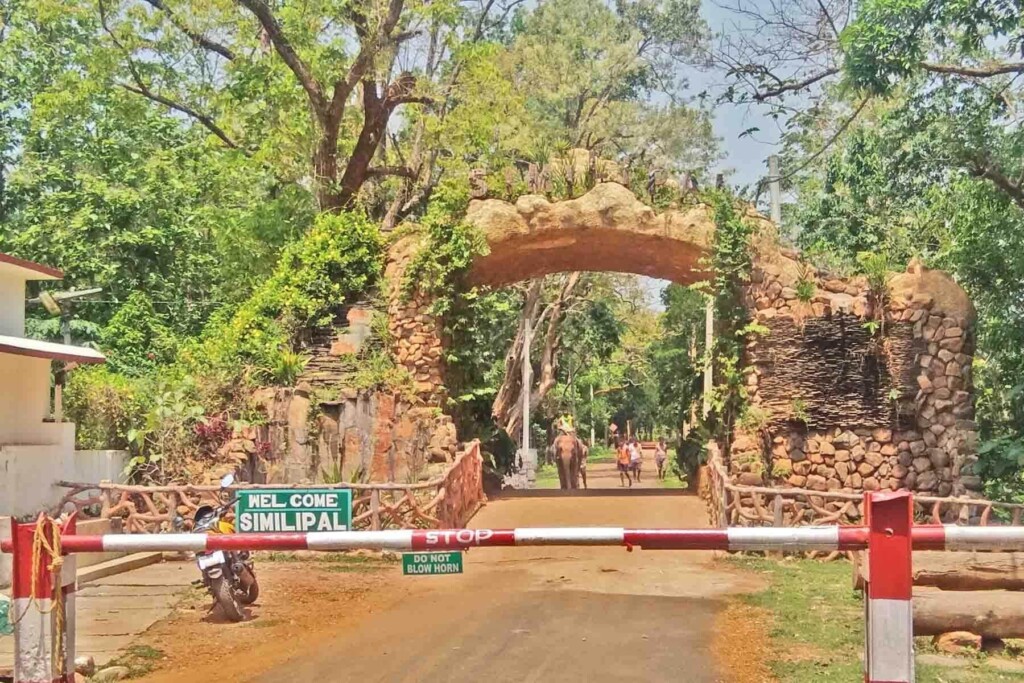
Similipal has designated entry points for visitors.
- Pithabata Gate: Located on the Baripada side.
- Kalikaprasad Gate: Located on the Jashipur side.
Visitors should understand that day-tourist entry and open-jeep safari access follow different designated routes.
Before visiting, remember these important points:
- Obtain the required entry permits and make reservations through authorised channels.
- A registered forest guide is mandatory in each permitted vehicle.
- Eligible vehicles must meet the reserve’s ground-clearance requirements.
- Follow the instructions of forest officials and guides.
- Avoid plastic litter, loud music, alcohol and activities that disturb wildlife.
- Mobile connectivity may be limited in some forest areas.
- Carry a valid government-issued photo identity document.
Responsible Wildlife Tourism and Tiger Conservation
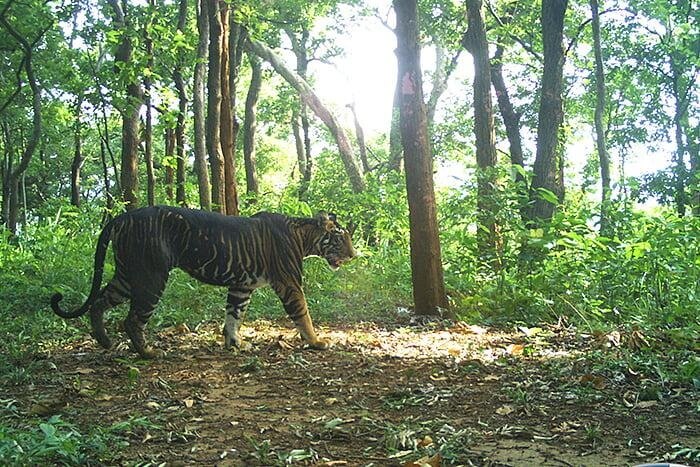
Similipal is not just a tourist destination; it is an important landscape for the conservation of India’s wildlife.
The presence of pseudo-melanistic tigers makes the reserve particularly significant. However, their unusual genetic characteristics also highlight the importance of maintaining a healthy and genetically diverse tiger population.
Responsible tourism can support conservation efforts and local communities.
Visitors should:
- Never attempt to approach or feed wild animals.
- Maintain a safe distance from wildlife.
- Avoid shouting or making unnecessary noise during safaris.
- Never throw plastic or food waste inside the forest.
- Follow photography rules and restrictions.
- Respect local communities and forest regulations.
- Choose authorised guides, accommodation and tourism services.
By travelling responsibly, visitors can help protect the natural environment while supporting community-based tourism initiatives.
Why Include Similipal in Your Odisha Wildlife Holiday?
If you are looking for something different from the traditional wildlife destinations of India, Similipal deserves a place on your travel list.
Unlike conventional tiger destinations, Similipal offers the opportunity to explore the world’s only known wild habitat of pseudo-melanistic tigers.
It is an excellent choice for:
- Wildlife enthusiasts interested in rare tiger genetics.
- Nature photographers looking for unique forest landscapes.
- Families interested in nature and wildlife education.
- Birdwatchers and biodiversity enthusiasts.
- Couples looking for peaceful nature holidays.
- International travellers exploring lesser-known destinations in India.
You can also combine Similipal with other destinations in Odisha, such as Bhubaneswar, Puri, Konark and other cultural and natural attractions, to create a more comprehensive Odisha holiday.
Plan Your Similipal Wildlife Holiday with Vardhman Vacations
India is home to some of the world’s most fascinating wildlife destinations, and Similipal is among its most extraordinary natural treasures.
From the rare pseudo-melanistic tigers to spectacular waterfalls and beautiful Sal forests, every part of Similipal offers a different experience of nature.
At Vardhman Vacations, we help travellers discover India’s diverse destinations through thoughtfully planned holidays, comfortable transportation and personalised travel arrangements.
Whether you are planning a wildlife photography trip, a family holiday or a longer Odisha exploration, our team can assist with your travel arrangements.
Discover India’s extraordinary wildlife with Vardhman Vacations. Contact us to plan your next India wildlife holiday.
FAQs About Similipal Tiger Reserve
Similipal Tiger Reserve in Mayurbhanj district, Odisha, is the only known wild habitat of pseudo-melanistic tigers.
No. Black tigers are Bengal tigers with a rare genetic condition called pseudo-melanism, which causes their black stripes to become unusually broad and merge together.
A 2026 camera-trap exercise identified 19 pseudo-melanistic tigers among 35 adult tigers in Similipal. The findings were communicated for scientific verification.
November to February is particularly pleasant for visiting. The broader preferred tourism period is generally November to June, subject to official access conditions.
Visitors may have an opportunity to see them, but sightings are not guaranteed. Tigers are wild animals and move freely through the forest.
Popular attractions include Barehipani Waterfall, Joranda Waterfall, Chahala Meadow, Ramatirtha Crocodile Conservation Centre and Devkund.
Yes. Community-managed nature camps are available at Jamuani, Gurguria, Kumari, Talabandha and Barehipani. Advance booking is recommended.
A 2-night/3-day or 3-night/4-day trip is a reasonable starting point for exploring the reserve, enjoying a safari and visiting selected attractions. The actual programme depends on permitted routes and accommodation availability.
You can travel by road from Bhubaneswar to the Similipal region. The approximate distance is 192 km, as listed by Odisha Tourism.
Yes. You can combine Similipal with Bhubaneswar, Puri, Konark and other Odisha attractions to create a longer holiday.