

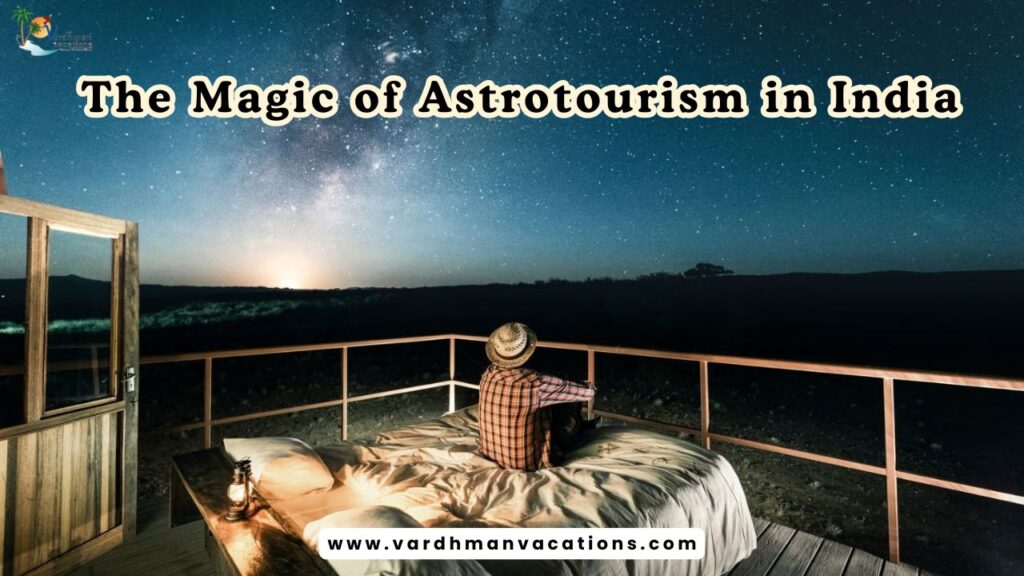
A Guide to the Best Stargazing Destinations
In an era where city lights drown out the stars, astrotourism—travel focused on experiencing pristine night skies, stargazing, and celestial wonders—is rapidly gaining popularity in India. With its diverse landscapes, from high-altitude deserts to remote islands, India offers some of the world’s clearest and darkest skies. Places like Ladakh’s Hanle Dark Sky Reserve and emerging spots in Uttarakhand are turning the country into a hotspot for skywatchers, astrophotographers, and nature lovers seeking a cosmic escape.
Astrotourism not only reconnects us with the universe but also promotes dark sky conservation, reducing light pollution for future generations. Whether you’re chasing the Milky Way or spotting meteor showers, here’s your ultimate guide to the top astrotourism destinations in India.
1. Hanle, Ladakh – India’s Premier Dark Sky Reserve
Hanle in eastern Ladakh is often hailed as the best stargazing spot in India. At over 4,500 meters altitude, this remote village hosts the Indian Astronomical Observatory (one of the world’s highest) and was declared India’s first Dark Sky Reserve in 2022. With minimal light pollution and dry, clear air, the Milky Way appears vividly, along with planets, galaxies, and shooting stars.
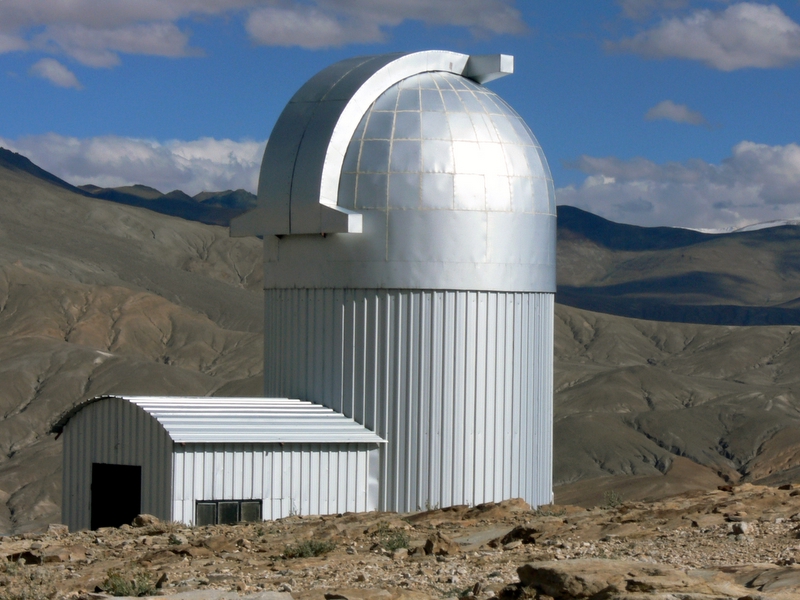
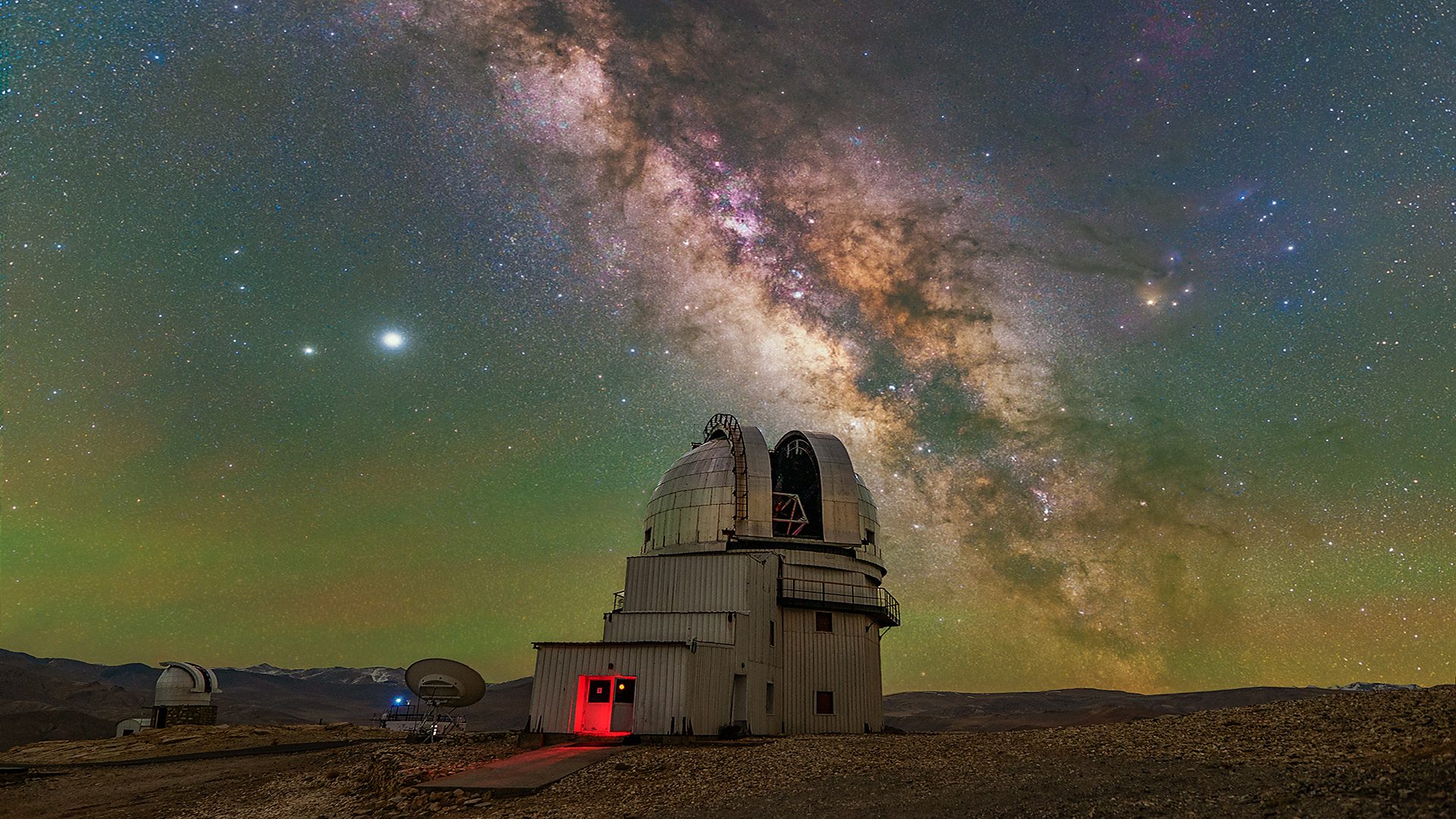
Best time: September to March for clearest skies. Tips: Join guided astro-tours with local ambassadors, stay in homestays, and acclimatize in Leh first due to high altitude.
The night skies over Ladakh’s vast landscapes are truly breathtaking:


2. Spiti Valley, Himachal Pradesh – The Cold Desert Wonderland
Spiti’s high-altitude barren terrain and sparse population create perfect conditions for stargazing. Villages like Kaza, Tabo, and Pin Valley offer unobstructed views of the cosmos, blending adventure with celestial beauty.
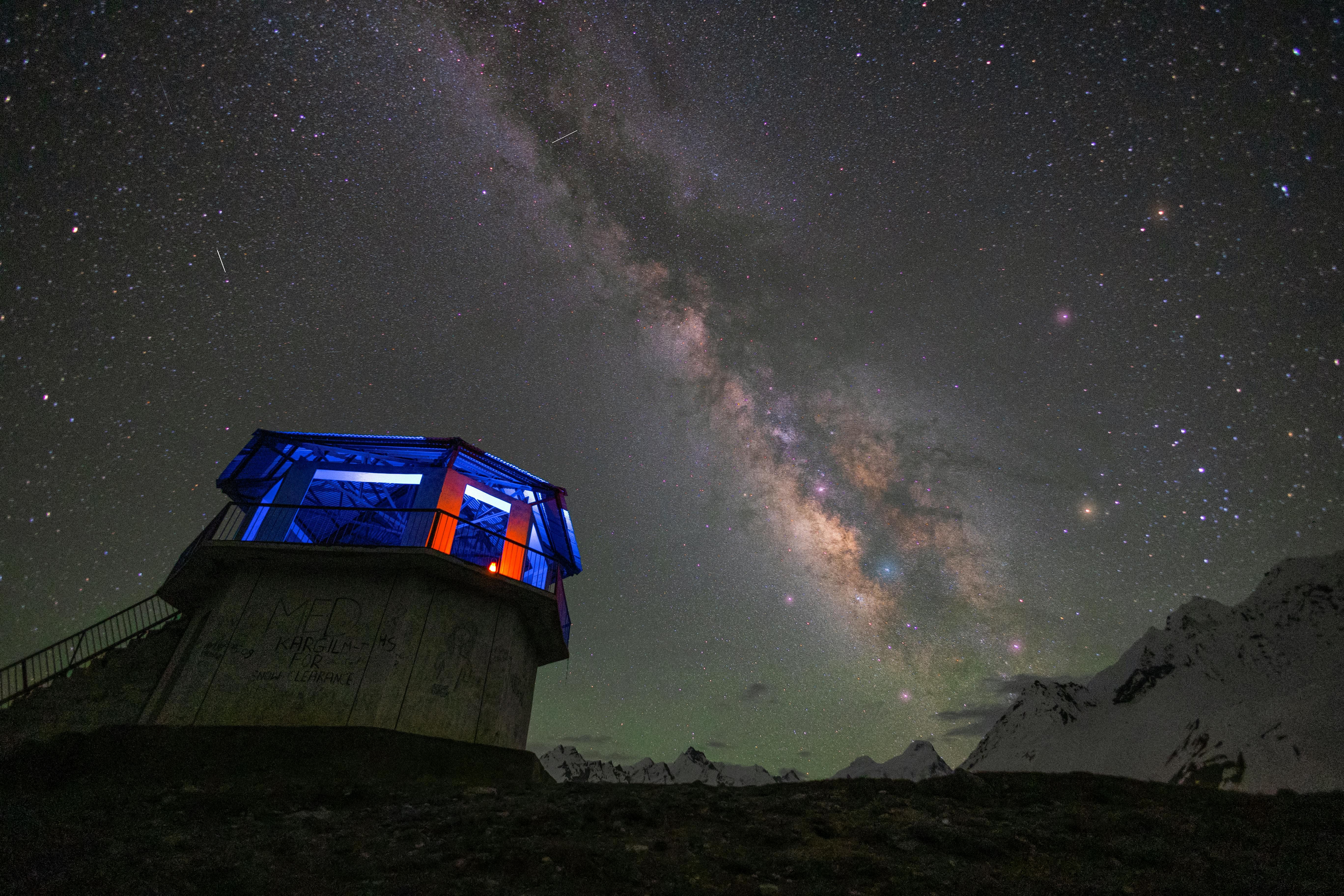
Best time: Summer (June-September) for accessibility; winters for ultra-clear skies. Tips: Combine with monastery visits for a cultural twist.
3. Rann of Kutch, Gujarat – The Endless White Desert Under Stars
The vast salt marshes of the Great Rann transform into a 360-degree planetarium at night. Low humidity and flat horizons make it ideal for viewing the Milky Way and meteor showers.

Best time: Winter (November-February) during the Rann Utsav festival. Tips: Stay in tent camps for organized stargazing sessions.
4. Neil Island (Shaheed Dweep), Andaman & Nicobar Islands – Tropical Stargazing Paradise
Far from mainland pollution, Neil Island offers starry nights reflected over turquoise waters and beaches. It’s a unique blend of tropical vibes and cosmic views.


Other Notable Spots:
- Jaisalmer, Rajasthan
- Coorg, Karnataka
- Pench Tiger Reserve, Madhya Pradesh
- Mukteshwar, Kasauni in Uttarakhand