

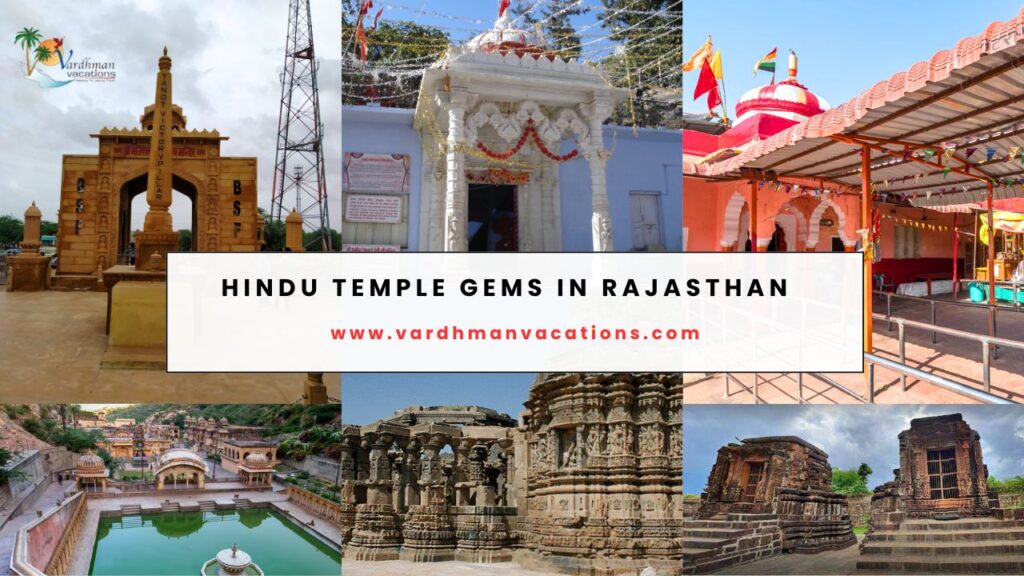
Rajasthan, the land of forts and deserts, harbors a treasure trove of ancient Hindu temples that often escape the typical tourist trail. These “hidden gems” are lesser-known sanctuaries boasting intricate carvings, mythical lore, and serene settings—perfect for spiritual seekers or history buffs looking beyond the crowds of Jaipur’s Hawa Mahal or Udaipur’s City Palace. Drawing from Rajasthan’s rich Rajput and medieval heritage, these sites blend devotion with architectural marvels. Below, I’ve curated a list of 10 offbeat Hindu temples, focusing on their uniqueness, location, and why they’re worth the detour. I’ve prioritized those tucked away in smaller towns or natural enclaves, based on historical significance and traveler insights.
1. Galtaji Temple (Jaipur)
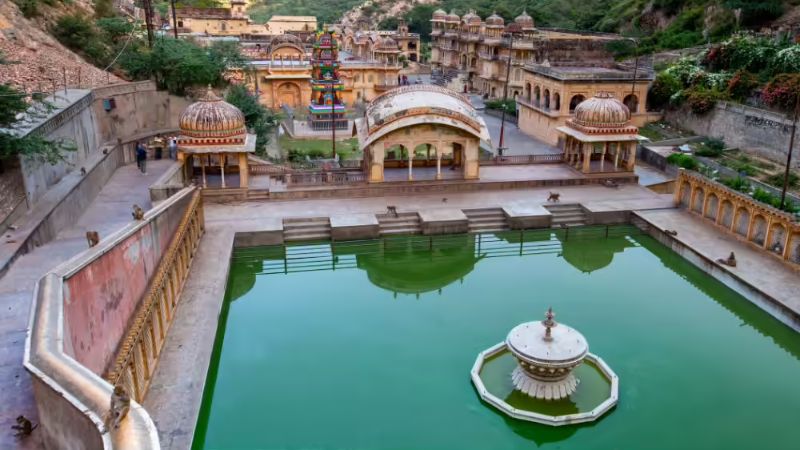
- Why it’s a gem: Nestled in the Aravalli Hills, this ancient pilgrimage site—often called the “Monkey Temple”—features a natural spring-fed kund (water tank) where devotees bathe for purification. Surrounded by pink-hued cliffs and pavilions with frescoes depicting Hindu epics, it’s a tranquil escape just 10 km from Jaipur’s bustle, yet feels worlds away.
- Highlights: Hanuman shrines, langur monkeys (considered sacred), and panoramic views at sunset.
- Best time: October to March; entry free, open 5 AM–9 PM.
- Pro tip: Combine with a hike through the hills for a full spiritual immersion.
2. Ambika Devi Temple (Jagat, near Udaipur)
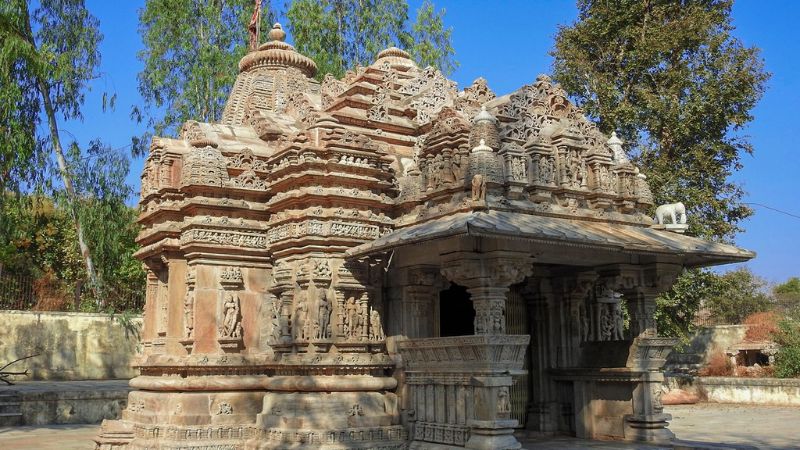
- Why it’s a gem: Dubbed the “Khajuraho of Mewar” for its erotic sandstone sculptures reminiscent of Madhya Pradesh’s famous temples, this 10th-century pentagonal shrine honors Goddess Ambika (an avatar of Durga). Hidden in a quiet village 50 km southeast of Udaipur, it’s a rare survivor of medieval invasions, showcasing exquisite preservation.
- Highlights: Intricate carvings of divine couples and mythical scenes; peaceful courtyard vibes.
- Best time: Winters; timings 5 AM–10 PM, no entry fee.
- Pro tip: Visit early morning to avoid the occasional tour groups.
3. Kiradu Temples (Barmer District)
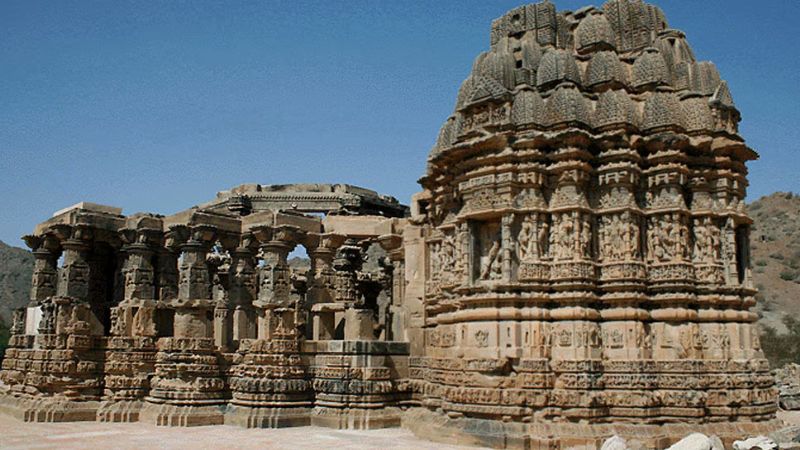
- Why it’s a gem: These 11th-century ruins in the Thar Desert whisper legends of a “cursed city” abandoned overnight, now overgrown with thorny acacia. Dedicated to Shiva and Vishnu, the site’s weathered spires and bhawan-style architecture make it a haunting, photogenic offbeat spot—far from Jaisalmer’s dunes.
- Highlights: Ghostly silhouettes at dusk; local folklore of jinn (spirits) guarding the site.
- Best time: November–February; open sunrise to sunset, free access.
- Pro tip: Hire a local guide in Barmer for tales of the ancient kingdom.
4. Chandrabhaga Temple (Jhalawar)
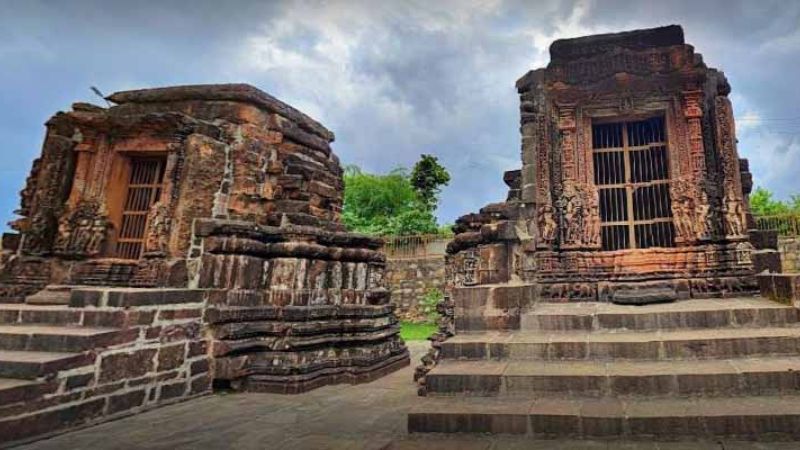
- Why it’s a gem: Overlooking the sacred Chandrabhaga River (said to grant wishes), this 6th-century sun temple in southeast Rajasthan is a forgotten jewel amid Buddhist stupas and forts. Its stepped platform and star-shaped layout evoke cosmic alignments, offering solitude in a region dotted with lesser-visited ruins.
- Highlights: Riverside aarti rituals; nearby Kolvi caves for a combo adventure.
- Best time: Monsoon for lush greenery; timings dawn to dusk, no fee.
- Pro tip: Pair with a dip in the river for traditional purification.
5. Somnath Temple (Pali)
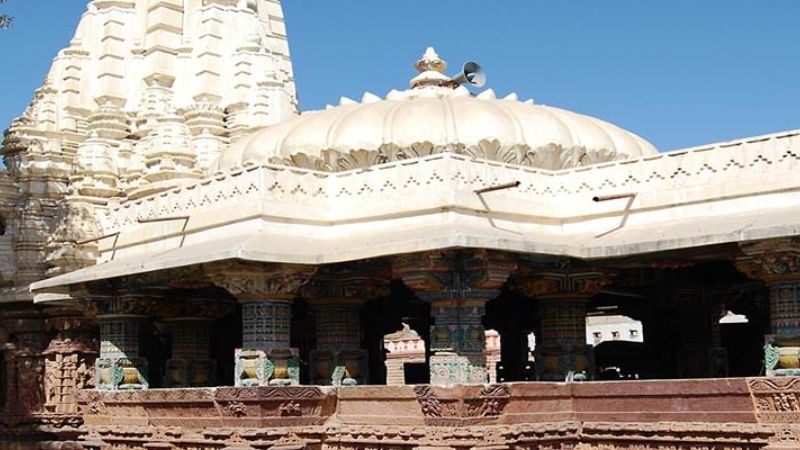
- Why it’s a gem: A 13th-century replica of Gujarat’s legendary Somnath shrine, built by Solanki kings as a defiant copy amid invasion fears. Tucked in Pali’s industrial outskirts, this modest yet resilient temple features black basalt carvings of Shiva— a hidden nod to maritime Hindu history in landlocked Rajasthan.
- Highlights: Rare Solanki-style arches; quiet evening prayers.
- Best time: Year-round; open 6 AM–8 PM, free entry.
- Pro tip: Explore Pali’s old quarter afterward for street-side bhajans.
6. Gardariya Mahadev Temple (Near Kota)
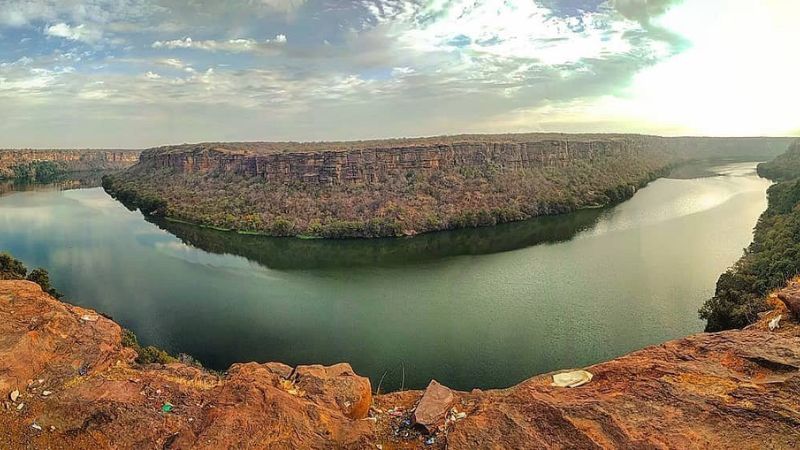
- Why it’s a gem: Concealed in Chambal River ravines, this Shiva temple is a verdant oasis with stepwells and mango groves, evoking ancient forest hermitages. Dating to the 9th century, it’s revered for wish-fulfilling lingams and draws locals for secretive tantric rituals—far from Kota’s urban chaos.
- Highlights: Lush picnic spots; crocodile sightings in nearby waters.
- Best time: Post-monsoon; timings 5 AM–7 PM, nominal donation.
- Pro tip: Wear sturdy shoes for the short trek down.
7. Ganesh Temple (Ranthambore, Sawai Madhopur)
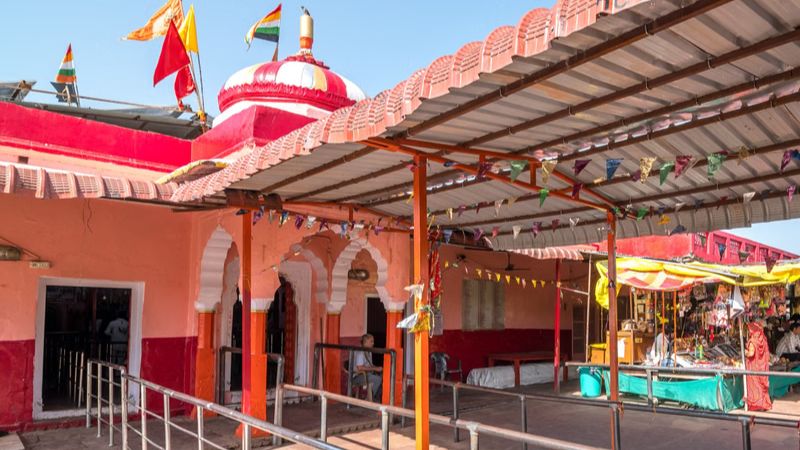
- Why it’s a gem: Perched atop Ranthambore Fort’s ruins in tiger territory, this 10th-century Ganesha shrine is accessible only by jeep or foot through wildlife trails. It’s a spiritual anchor amid the national park’s safaris, blending devotion with the thrill of spotting leopards.
- Highlights: Fort views; Ganesh Chaturthi festivities with tribal dances.
- Best time: Dry season (October–May); open during park hours, ₹50 entry.
- Pro tip: Time your visit post-safari for a mystical twilight aarti.
8. Mehandipur Balaji Temple (Dausa District)
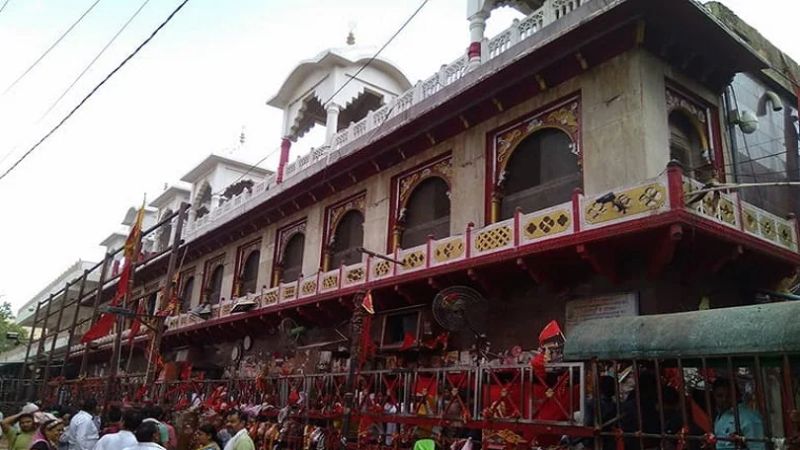
- Why it’s a gem: A intense exorcism hub dedicated to Hanuman, where “possessed” devotees seek cures from evil spirits—rooted in 11th-century lore. Hidden 80 km from Jaipur on a forested hill, it’s raw and unpolished, offering a glimpse into Rajasthan’s folk Hinduism away from polished marble mandirs.
- Highlights: Dramatic rituals; no cameras allowed inside.
- Best time: Tuesdays/Saturdays for peak energy; open 5 AM–9 PM, free.
- Pro tip: Respect local customs—avoid if uncomfortable with intense crowds.
9. Tanot Mata Temple (Jaisalmer Border)
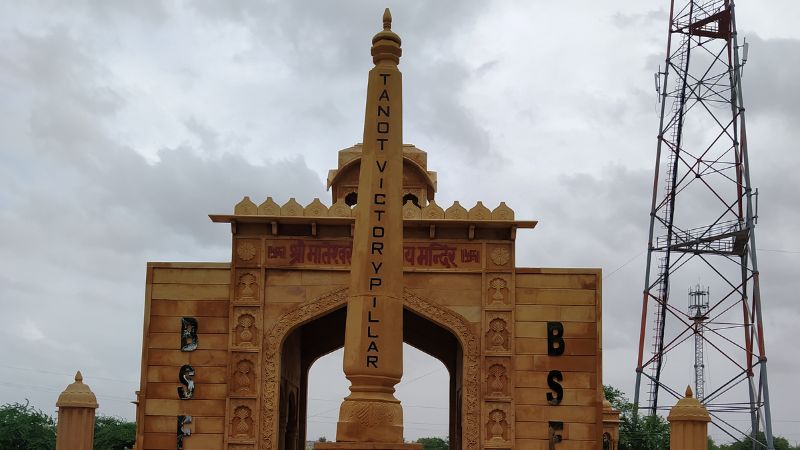
- Why it’s a gem: Near the Pakistan border, this 13th-century Durga shrine miraculously survived the 1971 Indo-Pak war unscathed (bombs reportedly failed to explode). In the stark Ramdevra desert, it’s a symbol of divine protection, with a small museum of war relics— a poignant, remote pilgrimage.
- Highlights: Bullet-marked walls; border sunset vistas.
- Best time: Winters; timings 9 AM–6 PM, free (permit may be needed).
- Pro tip: Go with a guided convoy for safety.
10. Adhar Devi Temple (Mount Abu)
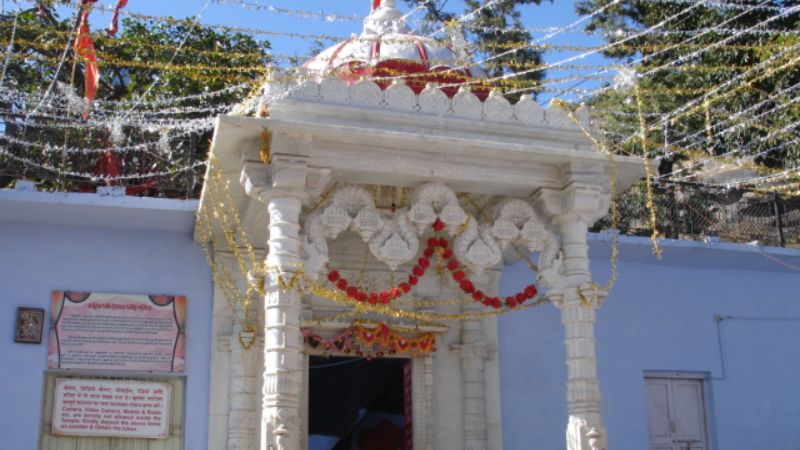
- Why it’s a gem: Carved into a 300-meter rock face with 365 steep steps, this 15th-century Shakti shrine in the Aravalli hills feels like a vertical adventure. Less crowded than Abu’s Dilwara Jains, it honors the goddess who “holds the mountain,” with cave-like sanctums dripping with natural stalactites.
- Highlights: Cliffside views; rope-assisted climbs for the daring.
- Best time: Summers for cool hill air; open 5 AM–7 PM, no fee.
- Pro tip: Start at dawn to beat the heat and monkeys.
These temples reveal Rajasthan’s soul—devout, resilient, and woven with myth. For a deeper dive, consider a themed road trip from Jaipur southward, stopping at 3–4 per leg. Always check local festivals like Shivratri for amplified vibes, and dress modestly. If you’re planning a visit, Rajasthan Tourism’s site has eco-friendly guides to keep these gems pristine. Safe travels and namaste!


