


In our fast-paced modern world, finding balance can feel elusive. Yoga, an ancient practice originating in India over 5,000 years ago, offers a holistic path to harmony. It integrates physical postures (asanas), breath control (pranayama), and meditation to nurture the mind, body, and soul. Scientific research and centuries of tradition affirm that regular yoga practice enhances overall well-being, reduces stress, and fosters deeper self-connection.
Benefits for the Body: Strength, Flexibility, and Vitality
Yoga’s physical component builds a resilient body. Poses improve flexibility, strength, balance, and coordination while supporting heart health and reducing inflammation.
- Improved Flexibility and Mobility — Regular practice stretches muscles and joints, easing conditions like lower back pain. The American College of Physicians recommends yoga as a first-line treatment for chronic low back pain.
- Enhanced Strength and Balance — Weight-bearing poses strengthen bones and muscles, helping prevent osteoporosis and improving posture.
- Cardiovascular and Overall Health — Yoga lowers blood pressure, reduces inflammation, and supports weight management. Studies show it benefits heart disease risk factors and boosts immune function.
Johns Hopkins Medicine highlights evidence from the National Institutes of Health that yoga aids weight loss, quality sleep, and healthy eating habits.
Benefits for the Mind: Calmness, Focus, and Emotional Resilience

Yoga excels at mental health support. Breathwork and meditation calm the nervous system, reducing stress and anxiety while sharpening focus.
- Stress and Anxiety Reduction → Deep breathing activates the parasympathetic nervous system, lowering cortisol levels. Research shows yoga is as effective as some therapies for managing anxiety and depression.
- Improved Mood and Mindfulness → Practice fosters present-moment awareness, combating negative thought patterns and enhancing emotional regulation.
- Better Sleep and Cognitive Function → Bedtime routines prepare the mind for rest, while long-term practice thickens brain areas linked to memory, attention, and learning.
Meta-analyses confirm yoga’s positive effects on mental health, including reduced depression symptoms and greater resilience.
Benefits for the Soul: Connection, Inner Peace, and Spiritual Growth
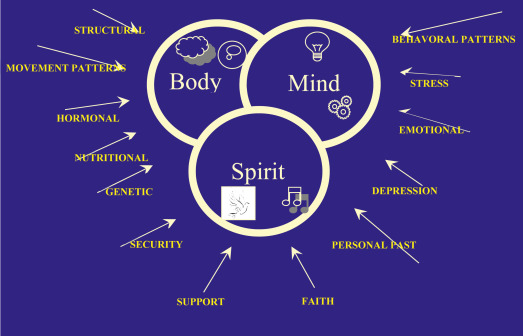
Yoga transcends the physical and mental, inviting spiritual depth. It encourages self-reflection, gratitude, and a sense of unity with the universe.
- Mindfulness and Self-Awareness — Poses and meditation heighten awareness of one’s inner self, promoting acceptance and contentment.
- Harmony and Purpose → Traditional yoga philosophy (like Patanjali’s eight limbs) guides ethical living, fostering compassion, inner peace, and spiritual well-being.
- Holistic Integration → Many practitioners report deeper life meaning, positive emotions, and a balanced inner-outer world.
Studies link yoga to enhanced spirituality, including greater life satisfaction and emotional harmony, even in secular contexts.
Conclusion: Embrace Yoga for a Balanced Life
Yoga is more than exercise—it’s a transformative practice that unites mind, body, and soul. Backed by science and timeless wisdom, it offers tools for navigating life’s challenges with grace. Whether you’re seeking physical vitality, mental clarity, or spiritual fulfillment, starting a yoga practice can profoundly enrich your life. Begin gently, listen to your body, and discover the peace within.
Roll out your mat today—your mind, body, and soul will thank you. 🧘♀️