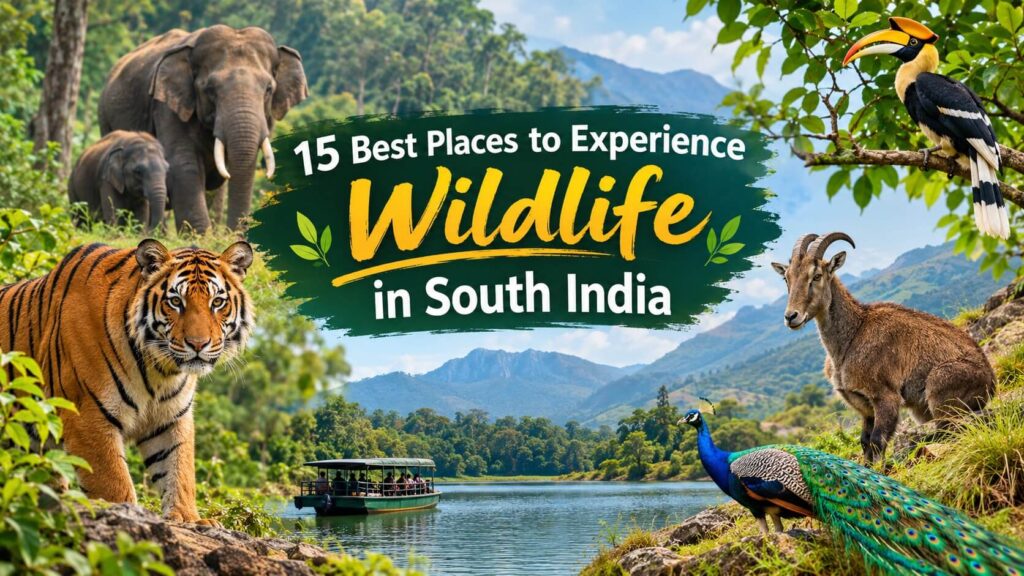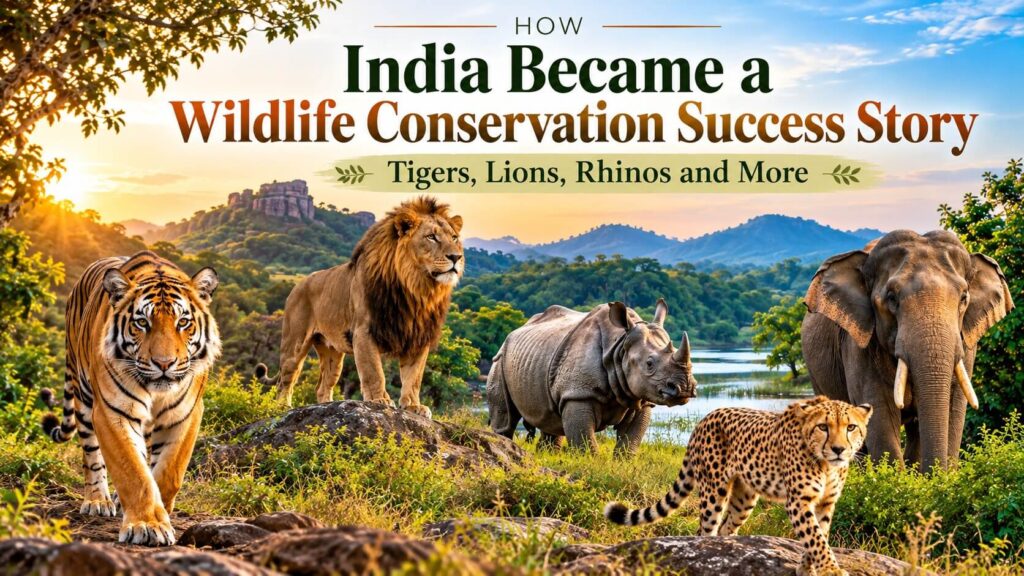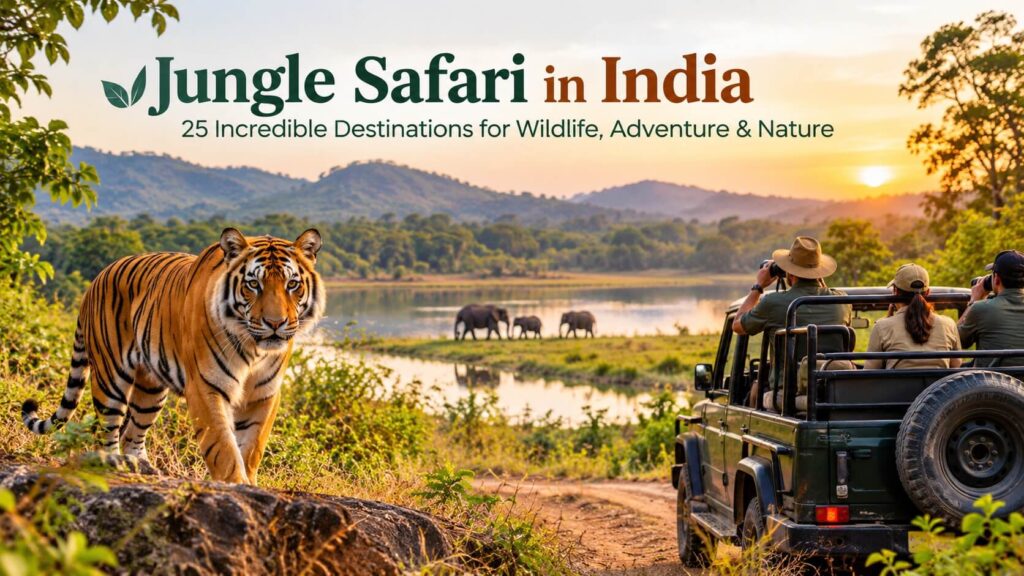

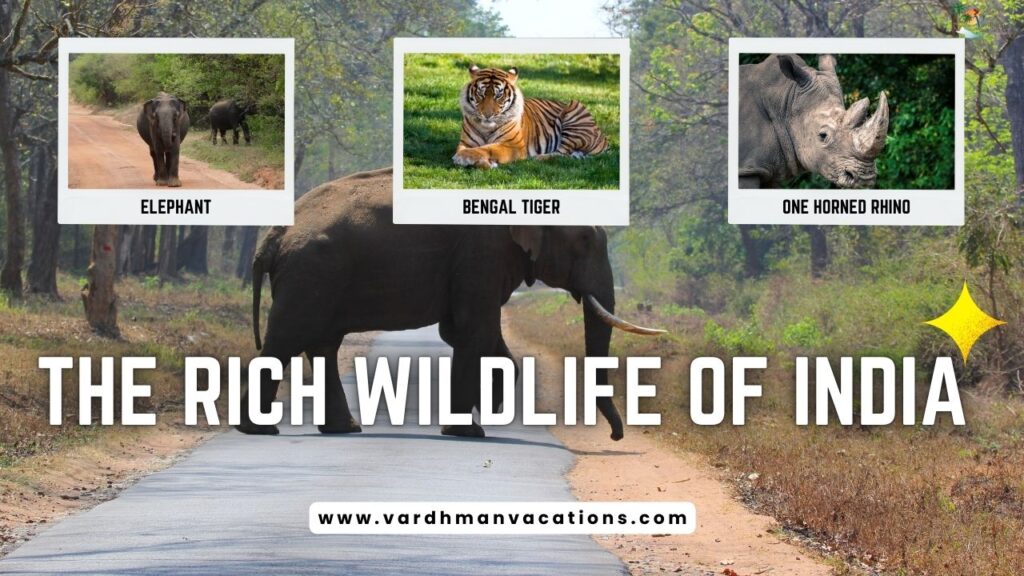
India stands as one of the world’s most biodiverse countries, hosting nearly 8% of global species despite covering just 2.4% of the planet’s land area. From the snow-capped Himalayas to the lush Western Ghats and arid deserts, India’s varied landscapes support an incredible array of flora and fauna. Home to iconic animals like the Bengal tiger, Asiatic lion, Indian elephant, and one-horned rhinoceros, the country boasts over 100 national parks, 570+ wildlife sanctuaries, and 53 tiger reserves dedicated to protecting this natural heritage.
Iconic Mammals of India
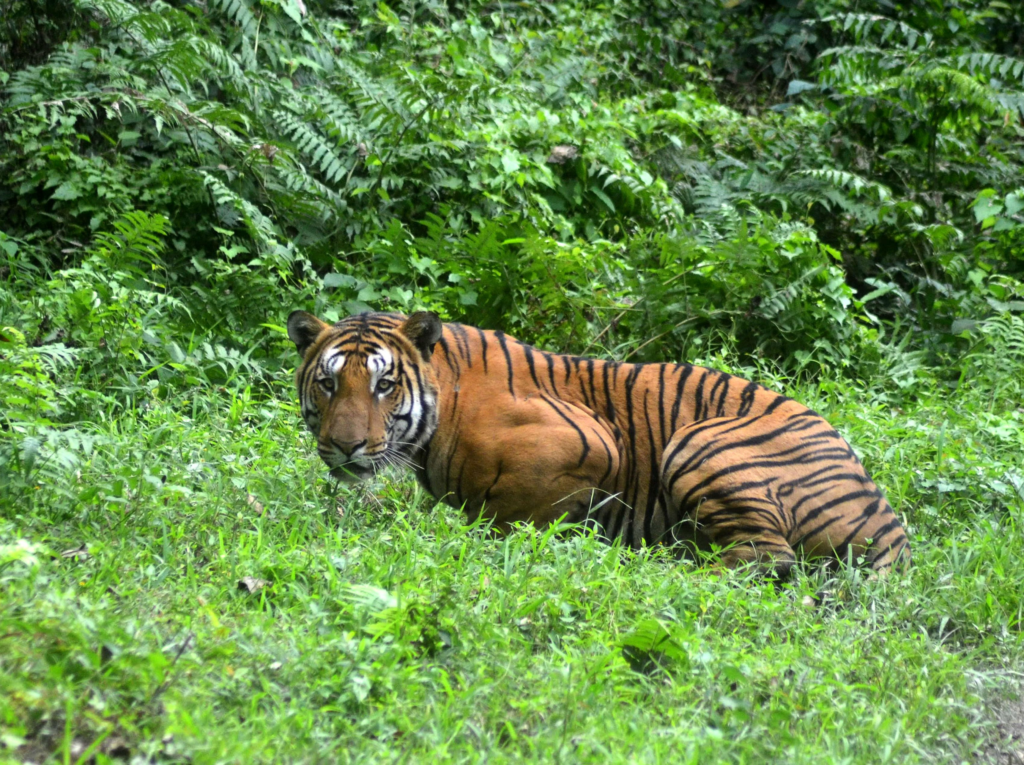
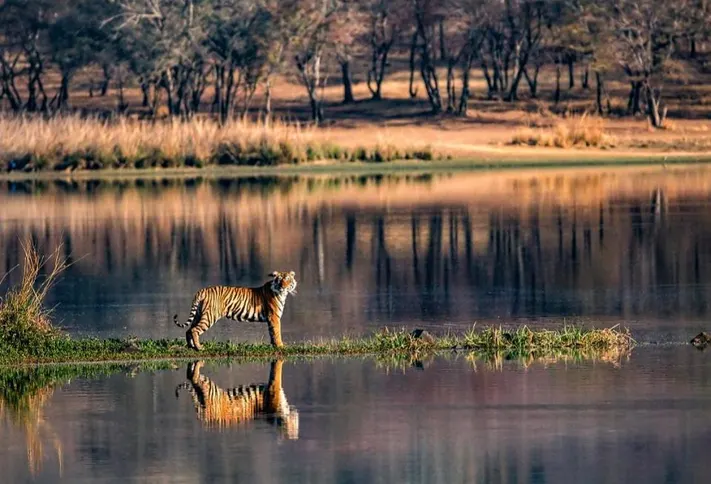
Bengal Tiger: The majestic Royal Bengal Tiger is India’s national animal and a symbol of strength. Thanks to Project Tiger (launched in 1973), tiger numbers have rebounded significantly, with over 50 tiger reserves now protecting their habitats.
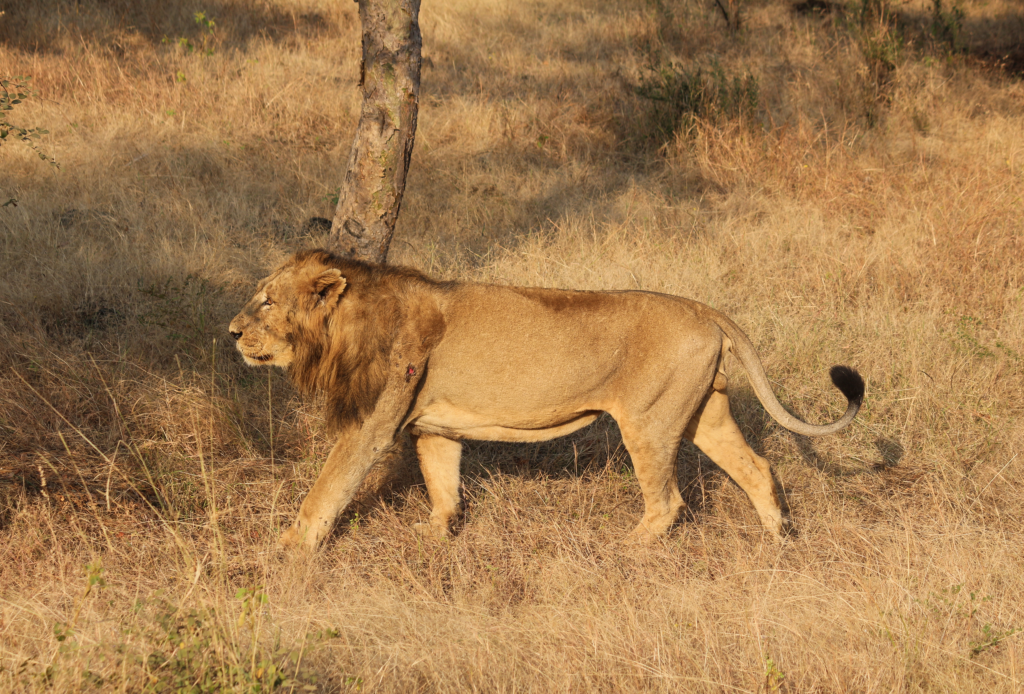
Asiatic Lion: Found exclusively in Gir National Park, Gujarat, this is the last wild population of Asiatic lions. Conservation efforts have helped revive their numbers from near extinction.
Indian Elephant: These gentle giants roam forests across the country. Project Elephant (1992) focuses on habitat protection and reducing human-elephant conflicts.
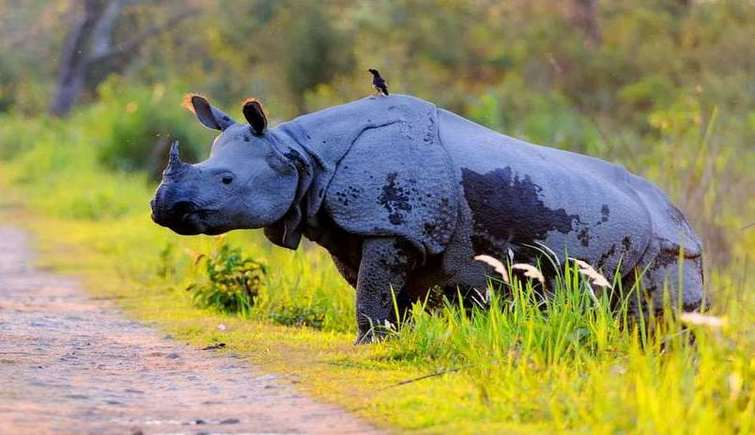
One-Horned Rhinoceros: Kaziranga National Park in Assam hosts two-thirds of the world’s population, a UNESCO site renowned for successful anti-poaching measures.
Snow Leopard: The elusive “ghost of the mountains” inhabits the high Himalayas, with ongoing conservation for this endangered big cat.
Avian Wonders
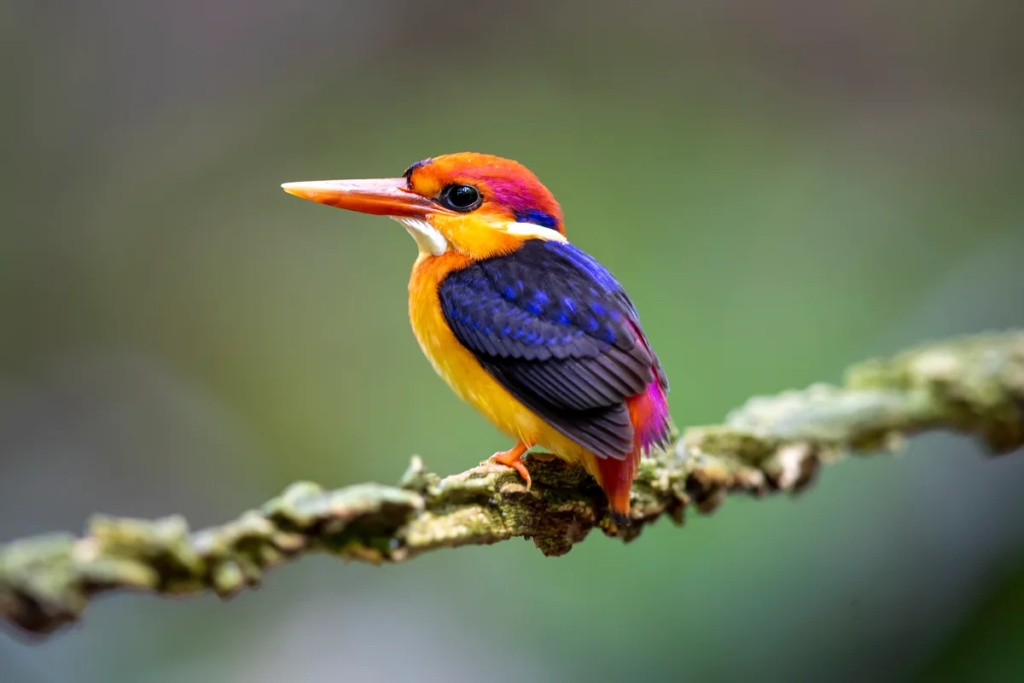
India is a birdwatcher’s paradise with over 2,000 species, including the vibrant Indian Peacock (national bird) and colorful kingfishers.
Top National Parks to Experience India’s Wildlife
- Ranthambore National Park, Rajasthan: Famous for tiger sightings amid ancient ruins and scenic lakes.
- Jim Corbett National Park, Uttarakhand: India’s oldest national park, rich in tigers and elephants.
- Kaziranga National Park, Assam: Prime spot for rhinos and diverse wetlands.
- Periyar National Park, Kerala: Known for elephants around scenic lakes.
- Gir National Park, Gujarat: Exclusive home to Asiatic lions.
Conservation Success and Challenges
India’s efforts, including increased budgets for Project Tiger and anti-poaching units, have led to population growth in tigers, rhinos, lions, and elephants. However, threats like habitat loss, poaching, and climate change persist. Community involvement and eco-tourism play key roles in sustainable protection.
India’s wildlife is not just a natural wonder—it’s a vital part of global biodiversity. Visiting responsibly supports conservation and offers unforgettable encounters with nature’s masterpieces. Plan your safari today and witness this living legacy!