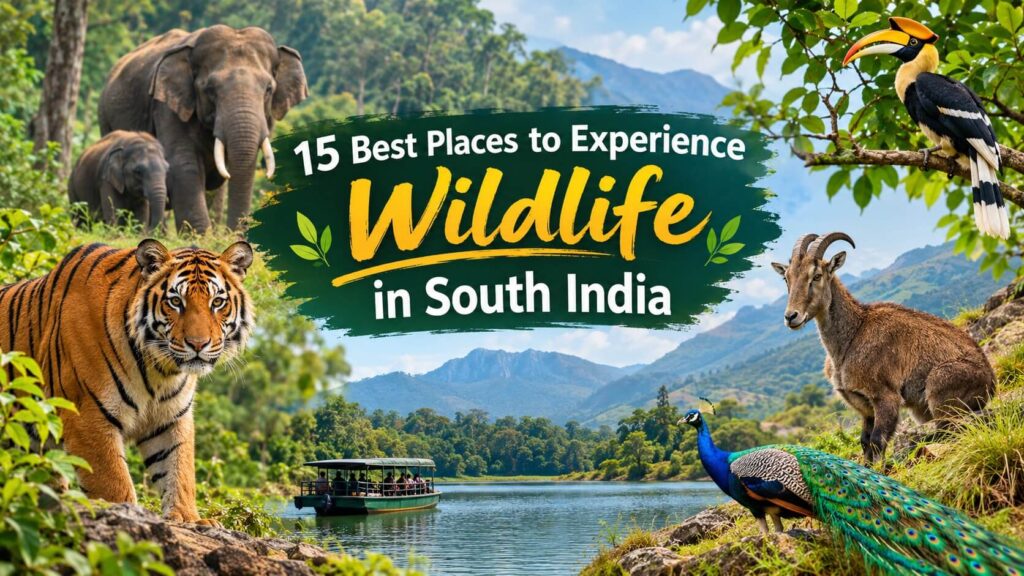


When people think about wildlife safaris in India, tigers and leopards often come to mind first. But in Assam, the forests of Manas Tiger Reserve offer something much more fascinating.
Located in the foothills of the Eastern Himalayas, Manas is home to eight species of wild cats. Along with the Bengal tiger and leopard, visitors and researchers may encounter elusive species such as the clouded leopard, Asiatic golden cat, marbled cat and fishing cat.
The combination of forests, grasslands, wetlands and riverine habitats makes Manas an exceptionally diverse wildlife destination. UNESCO recognises Manas for its outstanding biodiversity and its importance for several threatened species.
Why Manas Is More Than a Tiger Destination

Manas National Park became a Tiger Reserve in 1974, a World Heritage Site in 1985 and a National Park in 1990. The Assam Forest Department lists several wild cat species among the mammals found in the park.
Its location is one of its biggest advantages. The reserve lies in the Himalayan foothills and contains a fascinating mix of alluvial grasslands, tropical forests, wetlands and riverine habitats.
These different ecosystems create suitable habitats for cats with very different lifestyles.
Wild Cat Species Found in Manas
From a tiger stalking prey across grasslands to a fishing cat hunting near wetlands, Manas showcases the remarkable diversity of India’s wild felines.
1. Bengal Tiger

The Bengal tiger is undoubtedly one of the most iconic animals of Manas. As a top predator, the tiger plays an important role in maintaining the balance of the ecosystem. Manas provides a combination of grasslands, forests and riverside habitats that support prey species required by this powerful carnivore.
Tiger sightings can never be guaranteed on a safari, but the possibility of seeing one in the beautiful landscape of Manas makes the experience particularly exciting.
Best for: Tiger lovers and wildlife photographers.
2. Leopard

The leopard is one of India’s most adaptable big cats. Unlike animals that depend heavily on a particular habitat, leopards can survive in a variety of environments. This adaptability allows them to share landscapes with other predators, including tigers.
However, their secretive behaviour makes them difficult to spot. In Manas, finding a leopard can therefore be a particularly rewarding safari experience.
Best for: Visitors looking for a chance to see a second big cat beyond the tiger.
3. Clouded Leopard

The clouded leopard is among the most mysterious cats found in the region. Its name comes from the cloud-like markings covering its coat. It is also an exceptional climber, helped by its long tail and powerful build. The species is known for its unusually large canine teeth.
Because of its elusive nature and preference for forest habitats, spotting one in the wild is far from easy. That rarity is precisely what makes the clouded leopard so fascinating for wildlife enthusiasts.
Best for: Serious wildlife photographers and lovers of rare Himalayan species.
4. Asiatic Golden Cat

The Asiatic golden cat is one of the lesser-known wild cats of India. Despite its name, its coat isn’t always golden. Individuals can display different shades, including reddish-brown, greyish and darker colours.
This solitary forest cat is extremely elusive, which means sightings are uncommon. Camera traps and wildlife surveys are particularly valuable for learning more about these secretive animals.
Best for: Wildlife enthusiasts interested in rare small cats.
5. Marbled Cat

Small, beautifully patterned and highly elusive, the marbled cat is another remarkable feline found in Manas. Its coat has distinctive marbled markings, while its long tail gives it an appearance well suited to an arboreal lifestyle.
The species is closely associated with forest habitats and is considered an excellent climber. For most safari visitors, encountering a marbled cat would be an exceptionally rare experience.
Best for: Dedicated wildlife watchers and photographers.
6. Fishing Cat

The fishing cat demonstrates how different wild cats can be. While many felines are associated with forests and grasslands, fishing cats are strongly connected with wetlands, marshes, rivers and other water-rich habitats.
They are excellent swimmers and are adapted to hunting aquatic prey. Their presence also highlights the importance of Manas’ wetlands and waterways, which support a wide range of wildlife.
Best for: Wildlife lovers interested in unusual animal adaptations.
7. Leopard Cat

The leopard cat is considerably smaller than a leopard but has a similarly attractive spotted coat. It is one of Asia’s widespread small wild cats and can live in different environments, including forests and areas with dense vegetation.
Because of its small size, it can easily be overlooked when compared with Manas’ larger predators. Yet this little feline is an important part of the reserve’s rich predator community.
Best for: Visitors interested in India’s lesser-known small cats.
8. Jungle Cat

The jungle cat may look somewhat like a large domestic cat, but it is a genuine wild predator. It is generally associated with wetlands, grasslands, scrub and forest edges. These habitats overlap with those used by several other carnivores in Manas.
Its familiar appearance makes the jungle cat an interesting reminder that not every wild feline needs to look dramatically different from a household cat.
Best for: Wildlife lovers exploring India’s smaller predators.
What Makes Manas Ideal for Wild Cats?

The main reason for Manas’ feline diversity is its varied habitats.
The reserve includes:
- Dense forests
- Alluvial grasslands
- Riverine areas
- Wetlands and marshes
- Forest edges
- Himalayan foothill landscapes
UNESCO notes that the Manas ecosystem includes forests, grasslands, marshlands and riverine tracts, supporting an exceptionally rich range of wildlife.
The Assam Forest Department also lists species such as the tiger, leopard, clouded leopard, golden cat, fishing cat, leopard cat and jungle cat among the mammals visitors may expect to find in Manas.
Other Wildlife to See in Manas
The wild cats are only one part of the Manas experience. The park is also known for Asian elephants, greater one-horned rhinoceroses, wild buffalo, golden langurs, pygmy hogs, swamp deer and numerous bird species.
Birdwatchers have another reason to visit, as Manas supports hundreds of bird species, including threatened species such as the Bengal florican.
This combination of mammals, birds, forests, rivers and grasslands makes Manas one of India’s most rewarding destinations for nature lovers.
Best Time to Visit Manas National Park
The ideal safari season depends on park conditions and annual opening and closing schedules.
For wildlife enthusiasts, the dry and cooler months are generally popular for safaris, when animals are easier to observe around water sources and in open habitats.
Before planning your trip, check the latest park regulations, safari availability and seasonal access.
How to Reach Manas National Park

By Air: Guwahati International Airport is the nearest major airport. The Assam Forest Department lists it at approximately 145 km from Manas.
By Rail: Barpeta Road Railway Station is one of the nearest railway stations, around 20 km away.
By Road: Manas can be reached by road from Guwahati and other parts of Assam.
Why You Should Add Manas to Your India Wildlife Tour
If your idea of a wildlife holiday begins and ends with tiger sightings, Manas may change your perspective. Here, the tiger shares the landscape with seven other wild cat species, each adapted to a different ecological niche.
From the tree-climbing clouded leopard and marbled cat to the water-loving fishing cat, Manas demonstrates just how diverse India’s wild feline population can be.
And beyond the cats, the reserve offers elephants, rhinos, wild buffalo, rare birds, grasslands, forests and the beautiful Manas River landscape.
For travellers looking for an offbeat wildlife experience in Northeast India, Manas deserves a place on the itinerary.
Final Thoughts
Manas is proof that India’s wildlife story extends far beyond the famous Bengal tiger. With eight wild cat species, diverse habitats and an extraordinary collection of mammals and birds, this Assam reserve offers a deeper and more varied safari experience.
For wildlife photographers, nature lovers and travellers searching for something beyond India’s better-known safari destinations, Manas Tiger Reserve is a destination worth exploring.
FAQs About Wild Cat Species in Manas
Eight wild cat species: Bengal tiger, leopard, clouded leopard, Asiatic golden cat, marbled cat, fishing cat, leopard cat and jungle cat.
No. Manas is known for its exceptionally rich biodiversity, including rhinos, elephants, wild buffalo, rare birds and several wild cat species.
Clouded leopards occur in Manas, but they are extremely elusive. A sighting in the wild is never guaranteed.
Yes. The fishing cat is among the wild cat species recorded in Manas and is associated particularly with wetlands, marshes and rivers.
Depending on the season and safari route, wildlife may include tigers, elephants, rhinos, wild buffalo, golden langurs, swamp deer, pygmy hogs and numerous birds.
Yes. Manas Wildlife Sanctuary was inscribed as a UNESCO World Heritage Site in 1985.