
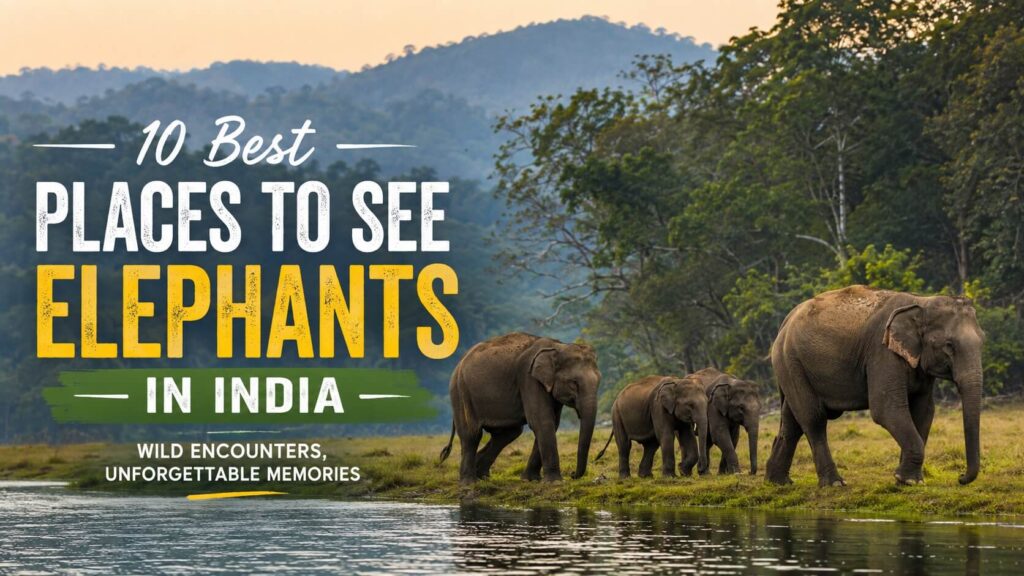
India is one of the best countries in Asia for travellers who want to experience elephants in their natural habitat. From the grasslands of Assam to the forests of Karnataka and the lush Western Ghats of Kerala, India’s wildlife landscapes offer remarkable opportunities to observe the majestic Asian elephant.
On World Elephant Day, August 12, it is a perfect time to explore the forests where these magnificent animals continue to roam freely. The landscapes are not only about elephant sightings; they also support tigers, rhinos, gaurs, deer, birds and countless other species.
Best Places to See Elephants in India
If you are planning a wildlife holiday in India, here are 10 of the best elephant habitats and wildlife destinations to add to your travel list.
1. Kaziranga National Park, Assam
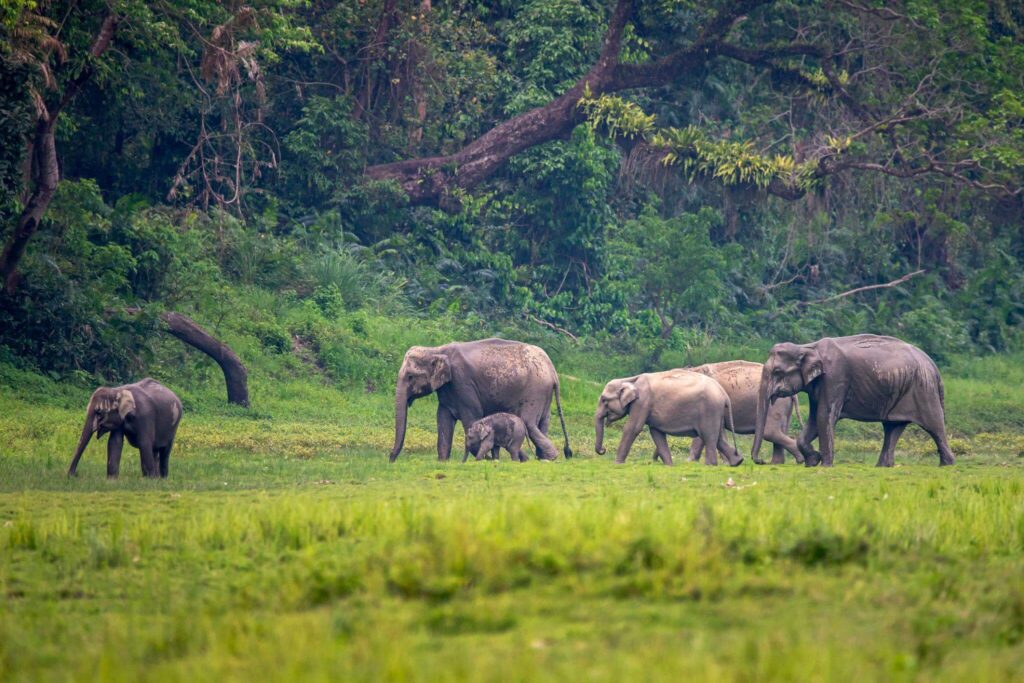
Best known for its iconic one-horned rhinoceroses, Kaziranga National Park is also an excellent destination for elephant lovers.
The park’s expansive grasslands, wetlands, forests and floodplains create an ideal environment for Asian elephants. During a safari, travellers may see elephant herds moving through tall grass, crossing open areas or gathering around water.
Kaziranga is particularly appealing because an elephant sighting can be combined with opportunities to see rhinoceroses, wild water buffalo, deer, birds and, with luck, tigers. The park is a UNESCO World Heritage Site and remains one of India’s most important wildlife destinations.
Best for: Elephant sightings, rhinos, birdwatching and jeep safaris.
2. Jim Corbett National Park, Uttarakhand
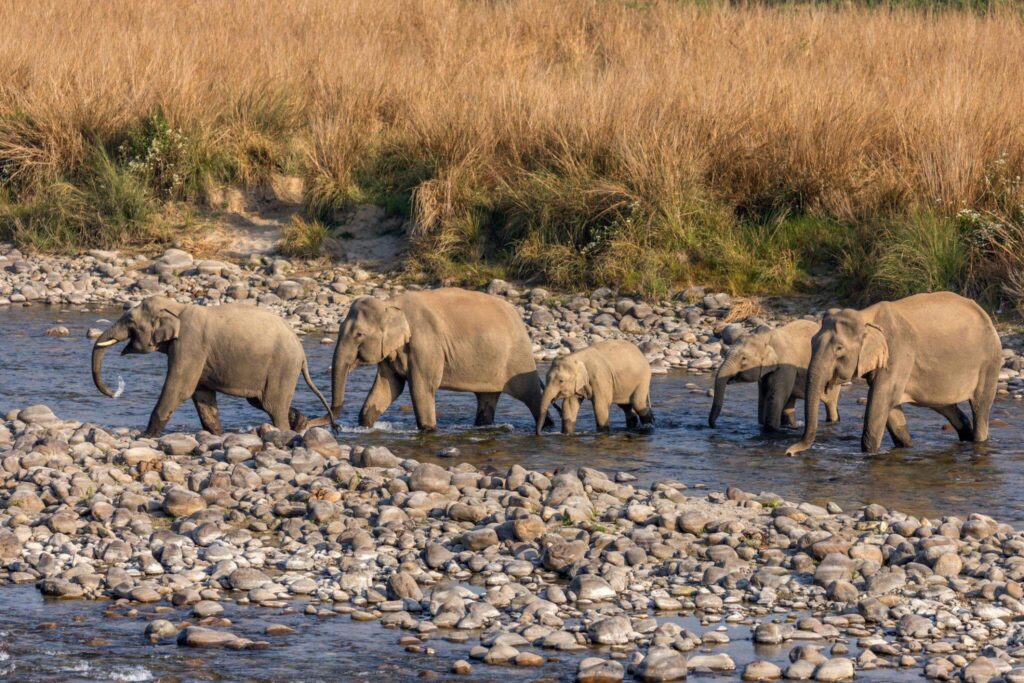
The forests of Jim Corbett National Park offer a wonderful combination of rivers, grasslands and Sal forests.
Elephants are among the most impressive animals you can encounter here. The Ramganga River valley and open grasslands provide important habitat, while the famous Dhikala landscape offers dramatic views of the surrounding wilderness.
A Corbett safari is about much more than searching for tigers. Watching a herd of elephants slowly move through the grasslands can be one of the most memorable moments of a wildlife holiday.
Best for: Elephants, tigers, deer, birds and scenic forest landscapes.
3. Rajaji National Park, Uttarakhand
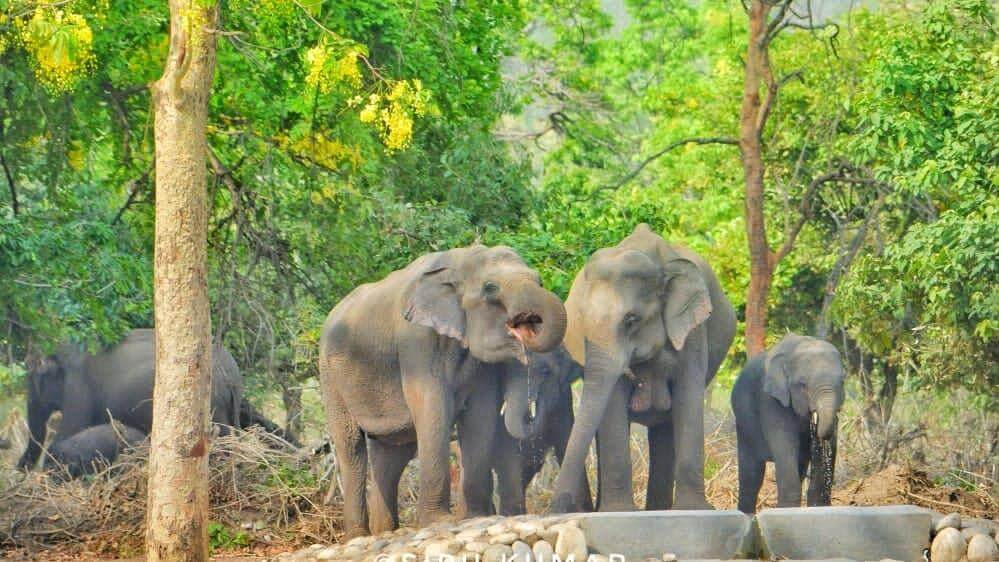
Located in the Shivalik Hills, Rajaji National Park is an important elephant habitat in northern India.
The park’s forests, grasslands and river corridors create a suitable environment for elephants and other wildlife. Rajaji is also ecologically connected with the wider Rajaji-Corbett landscape, allowing wildlife to move through a much larger forest ecosystem.
For travellers looking for an elephant-focused wildlife experience away from some of India’s busier safari destinations, Rajaji can be an interesting choice.
Best for: Elephant habitats, Himalayan foothills and forest safaris.
4. Bandipur National Park, Karnataka
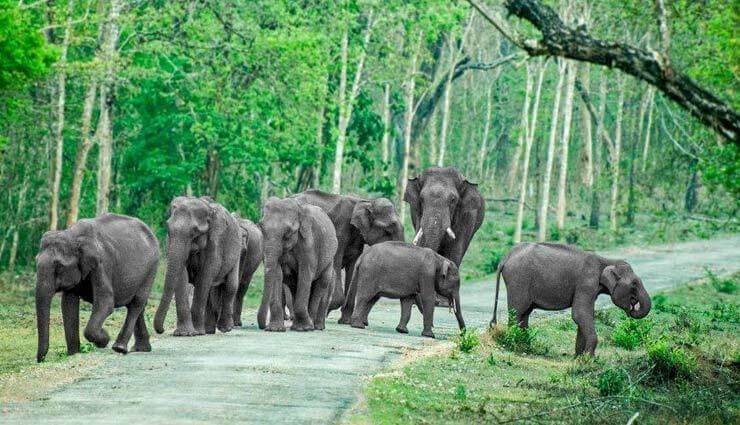
Bandipur National Park is one of southern India’s most important wildlife destinations and forms part of the larger Nilgiri Biosphere Reserve.
Dry deciduous forests, grasslands and seasonal water sources support a rich variety of wildlife, including Asian elephants. Karnataka Tourism describes Bandipur as one of the important refuges of the Asiatic wild elephant.
A safari here can bring you close to a fascinating mix of wildlife, including elephants, gaur, deer, sloth bears and, if luck is on your side, leopards and tigers.
Important: Elephant-back safaris have been discontinued at Bandipur; visitors explore the park through permitted safari options instead.
Best for: Elephants, tigers, gaur and the Nilgiri wildlife landscape.
5. Nagarhole National Park, Karnataka
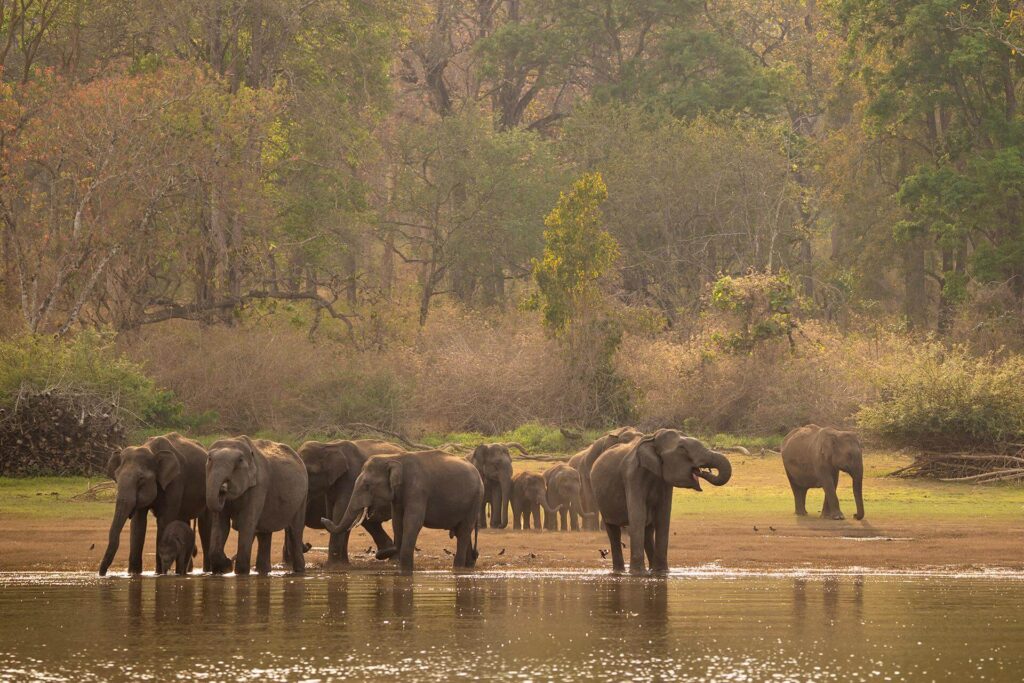
Another spectacular destination in Karnataka is Nagarhole National Park, particularly the forests around the Kabini region.
The combination of forests, grasslands and water bodies creates an attractive environment for elephants. Seeing a herd near water against the backdrop of the Kabini landscape can be an unforgettable wildlife experience.
Nagarhole also works well as part of a broader southern India wildlife itinerary covering Bandipur, Wayanad and the Nilgiri landscape.
Best for: Elephants, Kabini landscapes, tigers, leopards and wildlife photography.
6. Periyar Tiger Reserve, Kerala
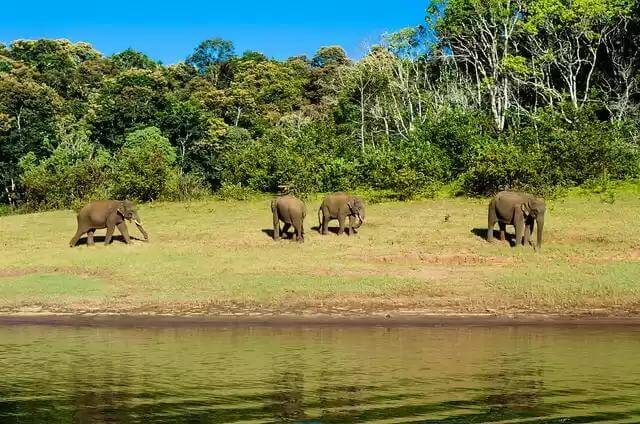
For a more atmospheric elephant experience, head to Periyar Tiger Reserve in Kerala.
Forests surround the famous Periyar Lake, creating beautiful opportunities to observe wildlife around the water. Elephants are among the reserve’s major attractions, and seeing them along the forest shoreline can be particularly memorable.
The combination of lake, evergreen forests, moist deciduous forests and grasslands makes Periyar very different from the dry forests of Karnataka.
Best for: Elephants, lake experiences, nature and Kerala wildlife holidays.
7. Wayanad Wildlife Sanctuary, Kerala

The Wayanad Wildlife Sanctuary forms part of a much larger interconnected wildlife landscape extending across Kerala, Karnataka and Tamil Nadu.
This connectivity is particularly important for elephants, which naturally move across large forest areas rather than remaining confined to individual protected areas. Wayanad’s forests therefore offer travellers a chance to experience elephants within a broader Western Ghats ecosystem.
The destination can also be combined with a Kerala holiday, making it an excellent option for travellers who want to add wildlife to a sightseeing itinerary.
Best for: Elephants, Western Ghats forests and Kerala wildlife tours.
8. Manas National Park, Assam
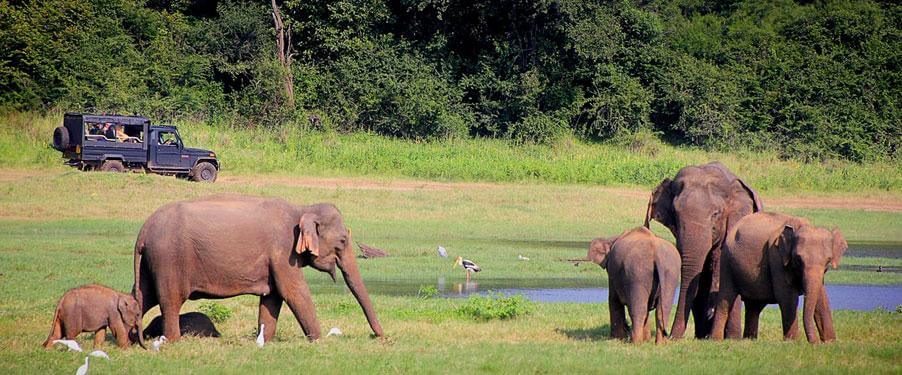
Located in Assam, Manas National Park offers another fascinating elephant experience in Northeast India.
Its landscape includes grasslands, forests and riverine habitats. Elephants are among the large mammals that make the park particularly attractive to wildlife enthusiasts.
The combination of open grassland and forest creates a completely different atmosphere from the Western Ghats, giving travellers another perspective on India’s elephant habitats.
Best for: Elephants, rhinos, birds, grasslands and Northeast India wildlife.
9. Buxa Tiger Reserve, West Bengal
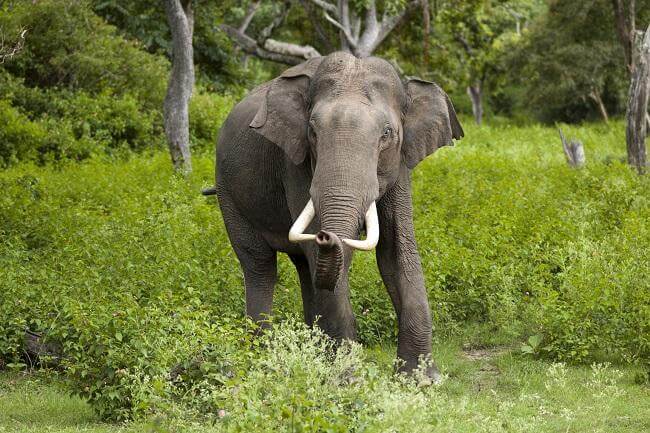
In northern West Bengal, Buxa Tiger Reserve offers an opportunity to explore elephant habitats surrounded by hills, dense forests and river valleys.
Located close to the Bhutan border, Buxa has a distinctive landscape compared with many of India’s better-known wildlife parks.
For wildlife enthusiasts seeking lesser-known destinations, Buxa offers a fascinating alternative to the country’s more famous safari circuits.
Best for: Elephants, forest landscapes, hills and offbeat wildlife travel.
10. Silent Valley National Park, Kerala
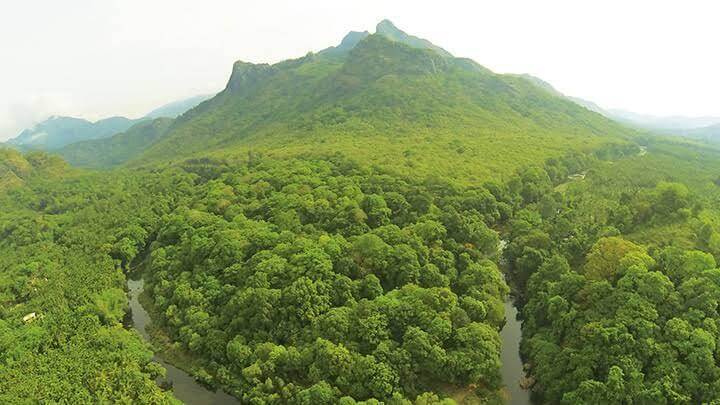
Silent Valley National Park provides a completely different kind of wildlife experience.
Located in Kerala’s Western Ghats, Silent Valley is renowned for its largely undisturbed tropical evergreen forests. Elephants are part of the wider Nilgiri-Silent Valley landscape, although this destination is not primarily known as a conventional elephant safari destination.
Instead, its greatest attraction is the opportunity to experience a remarkable rainforest ecosystem and its biodiversity.
Best for: Rainforests, biodiversity, nature lovers and responsible wildlife tourism.
Best Time to See Elephants in India
The ideal season varies from one wildlife destination to another, but the cooler and drier months are generally popular for wildlife travel, as animals are often easier to observe around remaining water sources and open areas.
However, elephant behaviour and visibility are influenced by rainfall, vegetation, water availability and local forest conditions. Always check the latest park regulations and safari availability before planning your trip.
For destinations such as Bandipur, safari operations and permitted activities can also change, so travellers should verify current rules with the relevant forest authorities or their tour operator.
How to Enjoy an Elephant Safari Responsibly
Seeing an elephant in the wild is a privilege, but responsible tourism should always come first.
- Maintain a safe distance from wild elephants.
- Never attempt to feed or approach them.
- Avoid loud music and unnecessary noise during safaris.
- Follow instructions from your naturalist and driver.
- Do not block an elephant’s path.
- Never encourage a driver to chase wildlife for photographs.
- Use wildlife photography practices that do not disturb animals.
- Respect forest rules and protected-area regulations.
Remember that wildlife sightings can never be guaranteed. The goal of a safari should be to experience the forest rather than simply collect photographs of particular animals.
Which Indian Elephant Destination Should You Choose?
| Destination | Best Experience |
|---|---|
| Kaziranga | Elephants + rhinos + Assam grasslands |
| Jim Corbett | Elephants + tigers + Sal forests |
| Rajaji | Elephant habitat + Himalayan foothills |
| Bandipur | Elephants + tigers + Nilgiri landscape |
| Nagarhole | Elephants + Kabini + wildlife photography |
| Periyar | Elephants + lake + Kerala forests |
| Wayanad | Elephants + Western Ghats |
| Manas | Elephants + grasslands + Northeast wildlife |
| Buxa | Elephants + hills + forests |
| Silent Valley | Rainforest + biodiversity + elephants |
Plan Your Wildlife Holiday with Vardhman Vacations
From the grasslands of Assam to the forests of Karnataka and Kerala, India offers extraordinary opportunities to experience elephants in the wild.
Whether you are planning a wildlife safari holiday, family vacation, photography trip or customised India wildlife tour, choosing the right destination can make all the difference.
Vardhman Vacations can help you plan wildlife-focused journeys across India with suitable accommodation, transportation, safari arrangements and customised itineraries. Explore India’s forests, travel responsibly and experience wildlife where it belongs — in the wild.
FAQs About Places to See Elephants in India
Kaziranga, Jim Corbett, Bandipur, Nagarhole, Periyar and Wayanad are among the notable destinations for experiencing Asian elephants in their natural habitats.
Yes. Kaziranga’s grasslands, wetlands and forests provide important habitat for Asian elephants, along with its famous rhinoceros population.
Yes. Bandipur is an important elephant habitat within the Nilgiri Biosphere Reserve and is well suited to wildlife safaris.
Yes. Elephants are among the wildlife that visitors may encounter around the forests and waters of the Periyar landscape.
No. Elephants are wild animals, and sightings depend on factors such as season, weather, habitat conditions and animal movement.
Carry comfortable clothing, binoculars, a camera with a suitable lens, sunscreen, a hat, water and any personal essentials recommended for the particular safari.
No. Wildlife tourism rules vary between protected areas. For example, Karnataka Tourism currently states that elephant safaris have been discontinued at Bandipur.
Yes. Destinations such as Bandipur, Nagarhole and Wayanad can be incorporated into a southern India wildlife itinerary, while Kaziranga and Manas can be combined into a Northeast India wildlife journey.