

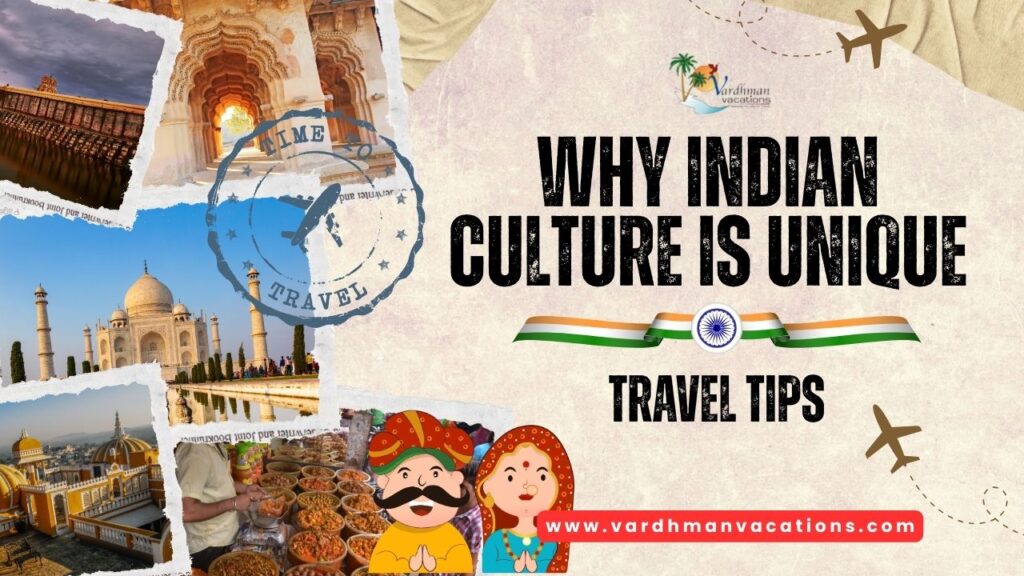
India’s religion and culture stand out as profoundly different from much of the rest of the world due to their extraordinary depth, diversity, and integrative nature.
Why Indian Religion and Culture Are So Distinct
India is often called a “living museum” of civilizations because its cultural and religious fabric has evolved continuously for over 4,000 years without a complete break. Unlike many global traditions shaped by a single founder, holy book, or centralized doctrine (such as Christianity, Islam, or even Confucianism), Hinduism—the dominant tradition—is not strictly a “religion” in the Western sense but a sanatana dharma (“eternal way”). It functions more as a way of life, a vast compilation of philosophies, rituals, and practices.
Key elements that set it apart include:
- No single founder or mandatory creed — Hinduism has no central authority or required belief. One can be agnostic, atheistic, polytheistic, monotheistic, or pantheistic and still identify as Hindu. This flexibility contrasts sharply with Abrahamic faiths that emphasize exclusive truth claims.
- Pluralism and inclusivity — India is the birthplace of four major world religions: Hinduism, Buddhism, Jainism, and Sikhism. It has also absorbed influences from Islam, Christianity, Zoroastrianism (Parsis), and Judaism, creating a society where multiple faiths coexist, often with syncretic practices. Religious tolerance is a core national value, though communities may prefer social separation.
- Cyclical worldview — Concepts like karma (actions shaping future lives), samsara (cycle of rebirth), and moksha (liberation) replace linear ideas of heaven/hell or one life → judgment. This fosters acceptance of contradictions, diversity of paths, and less emphasis on guilt/sin.
- Sacred in everyday life — Spirituality permeates all aspects: from food and family to art, music, and nature. Temples, festivals, and rituals blend the sacred and secular seamlessly, unlike the frequent separation in Western traditions.
- Extreme diversity — With 22 official languages, thousands of castes/sub-castes, regional cuisines, clothing, dances, and festivals, India embodies “unity in diversity.” No other country matches this scale of internal variation while maintaining a shared civilizational thread.
Compared to more homogeneous or individualistic Western cultures (emphasizing personal freedom, innovation, and secularism), Indian culture leans collectivist: family, community, hierarchy, and tradition guide life more strongly. Indian society often prioritizes harmony, adaptability, and modesty over confrontation or overt individualism.
How to Experience Indian Culture to the Fullest While Traveling
To truly immerse yourself, move beyond tourist landmarks and engage respectfully with local life. Here are practical, authentic ways to dive in:
- Greet with “Namaste” — Press palms together, bow slightly, and say “Namaste” (or “Namaskar”). It shows respect and instantly warms interactions.
- Dress modestly — Cover shoulders and knees, especially at temples, mosques, or rural areas. Women may prefer salwar kameez or long skirts; remove shoes before entering homes or places of worship.
- Embrace local hospitality — Accept invitations for chai, home-cooked meals, or festivals. If invited to a home, bring a small gift (sweets, flowers) and remove shoes at the door. Eat with your right hand if no utensils are provided.
- Participate in rituals mindfully — Visit temples during aarti (evening prayer with lamps), observe (don’t interrupt) pujas, or join a Holi/Diwali celebration. Ask permission before photographing people or deities.
- Eat like a local — Try street food from busy stalls where locals eat (indicates freshness). Learn regional cuisines through cooking classes—make dosa in South India, butter chicken in Punjab, or momos in the Himalayas.
- Join immersive activities — Take yoga/meditation sessions in Rishikesh, learn classical dance in Kerala, or attend a village homestay. Ride rickshaws, wander spice markets, or attend a wedding if invited—these create genuine connections.
- Be patient and open-minded — India assaults the senses: crowds, colors, sounds, smells. The famous “Indian head wobble” can mean yes/no/maybe—observe context. Bargain politely at markets, but avoid aggressive haggling.
- Respect sacred customs — Use your right hand for giving/receiving, avoid pointing feet at people/altars, and step aside for cows (considered sacred in many areas).
- Travel beyond the Golden Triangle — Explore Varanasi’s ghats at dawn, Rajasthan’s villages, Kerala’s backwaters, or Northeast India’s tribal cultures for deeper layers.
- Build connections — Chat with locals—they love sharing stories. Learn a few Hindi/ regional phrases. Accept that personal questions (age, marriage, salary) are normal signs of interest, not rudeness.
By approaching India with humility, curiosity, and respect, you’ll move from observer to participant. The chaos transforms into profound beauty, and the differences become the very reasons India feels like no other place on Earth.
Safe travels—may your journey be filled with masala chai, warm smiles, and unforgettable moments! 🇮🇳