

Summer is when the Himalayas truly come alive, unlocking some of the most breathtaking and extreme trekking routes in India. As the snow begins to melt and weather conditions stabilize, high-altitude trails across Uttarakhand, Himachal Pradesh, Kashmir, and Sikkim become accessible to adventure seekers.
From challenging mountain passes to stunning valley trails, summer is the perfect season to explore the raw beauty of the Himalayas beyond the usual hill stations. Whether you are an experienced trekker looking for your next adrenaline rush or someone ready to push your limits, these treks offer a perfect blend of thrill, scenery, and high-altitude adventure.
Iconic and Extreme Summer Treks in India
In this guide, we bring you 8 of the most iconic and extreme summer treks in India that promise unforgettable experiences, dramatic landscapes, and a true test of endurance.
Kashmir Great Lakes Trek (Jammu & Kashmir)
Altitude: 13,800–14,100 ft (approx)
Duration: 7–9 days
Distance: 70–75 km (approx)
Difficulty: Moderate to Difficult
Best Season: July to September

The Kashmir Great Lakes Trek is often described as one of the most beautiful treks in India—and for good reason. Rather than offering a single highlight, this trail unfolds as a continuous sequence of breathtaking landscapes, each more striking than the last.
Trekkers pass through a chain of pristine alpine lakes including Vishansar, Krishansar, Gadsar, Satsar, Gangbal, and Nundkol, each nestled amidst lush meadows, snow-draped ridges, and dramatic mountain backdrops. The ever-changing scenery—from rolling grasslands to rugged high-altitude terrain—makes every day of the journey feel unique.
One of the most challenging sections is crossing the Gadsar Pass, which tests endurance with steep ascents and long trekking hours. Despite being categorized as moderate to difficult, the trek demands good fitness due to its length and altitude.
What truly sets this trek apart is its unmatched visual reward. Few trails in India offer such a dense concentration of alpine lakes, panoramic views, and untouched natural beauty within a single itinerary.
Why Choose This Trek?
- Multiple high-altitude alpine lakes in one trek
- Vast meadows resembling European landscapes
- Perfect mix of challenge and scenic beauty
Hampta Pass Trek (Himachal Pradesh)
Altitude: 14,100 ft (approx)
Duration: 4–5 days
Distance: 25–30 km (approx)
Difficulty: Moderate
Best Season: June to September
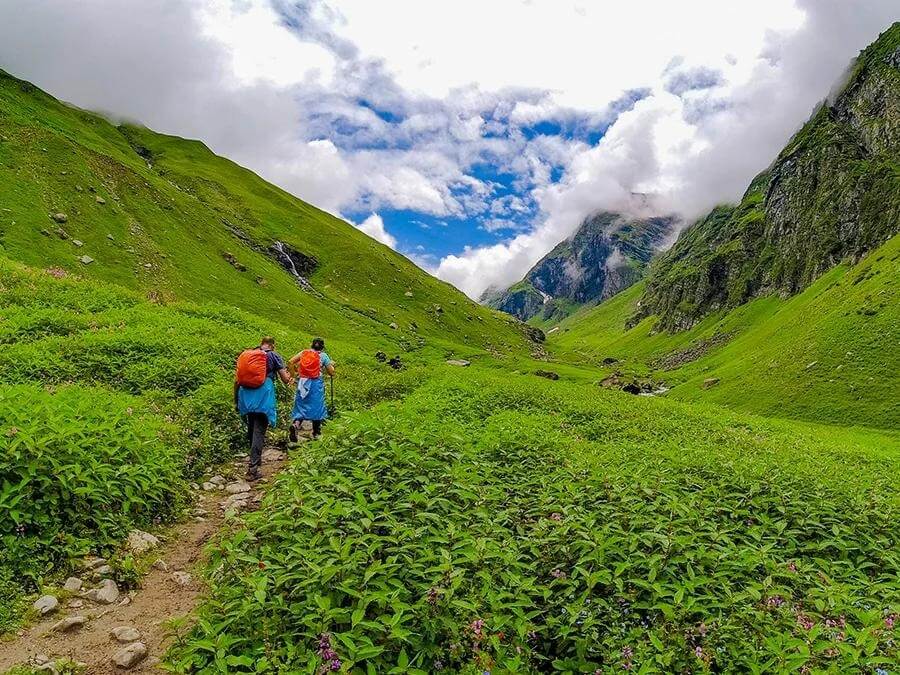
The Hampta Pass Trek is one of the most dramatic and visually striking treks in India, defined by its incredible contrast in landscapes. The journey begins in the lush green surroundings of Kullu Valley, filled with forests, rivers, and flower-filled meadows, and gradually transitions into the stark, barren terrain of Lahaul Valley.
This rapid shift from greenery to a high-altitude cold desert makes the trek unique and highly rewarding within a short duration.
Trekkers encounter exciting elements such as river crossings, snow patches near the pass, and steep ascents, all of which add to the adventure. While the total distance is relatively short, the altitude gain and terrain variations ensure that it is not an easy trek—especially for first-time high-altitude trekkers.
Despite its moderate difficulty rating, Hampta Pass offers a complete Himalayan trekking experience in just a few days, making it one of the best choices for those looking for both accessibility and thrill.
Why Choose This Trek?
- Unique transition from green valleys to cold desert
- Short duration with high scenic rewards
- Ideal introduction to high-altitude trekking
Goechala Trek (Sikkim)
Altitude: 15,100 ft (approx)
Duration: 8–11 days
Distance: 90 km (approx)
Difficulty: Difficult
Best Season: April–June, September–November

The Goechala Trek is one of India’s most rewarding high-altitude treks, offering breathtaking views of Kanchenjunga—the world’s third-highest peak. What makes this trek exceptional is how close you get to this towering 8,000-meter giant without requiring technical climbing skills.
The trail takes you through dense forests, vibrant rhododendron blooms, alpine meadows like Dzongri, and rugged mountain terrain before reaching the famous Goechala viewpoints. Most trekkers go up to Viewpoint 1, which still delivers a stunning panoramic view of Kanchenjunga and surrounding peaks, especially during sunrise.
Although the trek does not usually reach the actual Goechala Pass, the journey is physically demanding. Long trekking days, steep ascents, and high altitude make it a true test of endurance.
Despite the challenge, the visual payoff is extraordinary—few treks in India offer such dramatic close-up views of Himalayan giants combined with diverse landscapes.
Why Choose This Trek?
- Closest trekking views of Kanchenjunga
- Diverse terrain: forests, meadows, and high-altitude zones
- Ideal for experienced trekkers seeking a serious challenge
Tarsar Marsar Trek (Jammu & Kashmir)
Altitude: 13,500 ft (approx)
Duration: 6–7 days
Distance: 45–50 km (approx)
Difficulty: Moderate
Best Season: July to September
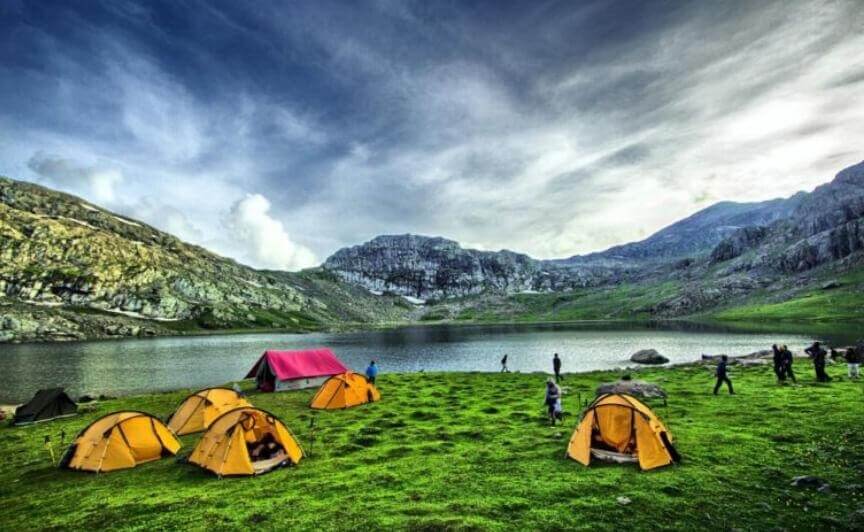
The Tarsar Marsar Trek offers a more serene and intimate Himalayan experience, centered around the twin alpine lakes—Tarsar Lake and Marsar Lake. Unlike longer and more demanding treks, this route allows trekkers to fully immerse themselves in the untouched beauty of Kashmir’s landscapes.
The trail winds through rolling meadows, pristine river valleys, and peaceful high-altitude campsites, creating a perfect balance between adventure and tranquility. Tarsar Lake is known for its crystal-clear reflections, while Marsar often appears shrouded in mist, adding a mystical charm to the journey.
Although it is not as rugged or physically demanding as the Kashmir Great Lakes Trek, the terrain remains diverse and engaging. Gradual ascents, open grasslands, and scenic campsites make it ideal for trekkers who want a rewarding experience without extreme difficulty.
This trek is perfect for those seeking raw natural beauty, quieter trails, and a deeper connection with the Himalayan wilderness.
Why Choose This Trek?
- Twin alpine lakes with stunning scenic beauty
- Less crowded and more peaceful than other Kashmir treks
- Ideal balance of comfort, challenge, and landscape diversity
Pin Parvati Pass Trek (Himachal Pradesh)
Altitude: 17,450 ft (approx)
Duration: 10–12 days
Distance: ~100–110 km (approx)
Difficulty: Very Difficult
Best Season: July to September

The Pin Parvati Pass Trek is not just a trek—it is a full-scale Himalayan expedition that pushes trekkers to their physical and mental limits. This challenging route connects the lush greenery of Parvati Valley with the stark, high-altitude desert of Spiti Valley, offering one of the most dramatic landscape transitions in the Himalayas.
The journey takes you across glaciers, moraine fields, river crossings, and steep mountain passes, culminating at the formidable Pin Parvati Pass. The terrain is demanding, with long trekking days, unpredictable weather, and high-altitude exposure, making it one of the toughest treks in India.
This is strictly for experienced trekkers with strong endurance, prior high-altitude experience, and the ability to handle extreme conditions. Proper acclimatization, technical awareness, and guided support are essential for completing this trek safely.
Despite its difficulty, the reward is unmatched—raw wilderness, remote Himalayan beauty, and the satisfaction of completing one of India’s most legendary high-altitude crossings.
Why Choose This Trek?
- One of the toughest and most rewarding treks in India
- Dramatic transition from green valleys to cold desert
- True expedition experience for seasoned trekkers
Valley of Flowers Trek (Uttarakhand)
Altitude: 12,000 ft (approx)
Duration: 4–6 days
Distance: 35–40 km (approx, including return)
Difficulty: Easy to Moderate
Open Season: June to October
Peak Bloom: July to August

The Valley of Flowers Trek is one of the most unique Himalayan experiences, defined not by extreme altitude but by its seasonal transformation. Located within the Valley of Flowers National Park, this trek is entirely dependent on timing.
The park remains closed during winter and reopens in June, but it truly comes alive during the monsoon months of July and August. During this period, the valley bursts into a vibrant carpet of alpine flowers, creating a surreal landscape unlike any other in India.
The trail itself is relatively accessible, passing through scenic forests, river streams, and open valleys, making it suitable for beginners and nature lovers. However, what sets this trek apart is not the difficulty but the fleeting beauty of its bloom cycle—visit at the right time, and you witness one of the most colorful natural spectacles in the Himalayas.
Outside the peak bloom season, the valley still offers pleasant scenery, but the visual impact is significantly reduced compared to its monsoon glory.
Why Choose This Trek?
- UNESCO World Heritage Site with rare alpine flora
- Best monsoon trek in India for nature lovers
- Ideal for beginners and photographers
Buran Ghati Trek (Himachal Pradesh)
Altitude: 15,000 ft (approx)
Duration: 7–8 days
Distance: 45–50 km (approx)
Difficulty: Moderate to Difficult
Best Season: May–June (snow), September–October

The Buran Ghati Trek stands out for its incredible variety of landscapes packed into a single itinerary. Starting from charming Himalayan villages, the trail gradually moves through dense forests, expansive meadows, and scenic ridgelines before reaching the dramatic Buran Pass.
What makes this trek particularly exciting is the descent from the pass. During early summer (May–June), trekkers face a steep snow wall that often requires rope support, adding a technical edge to the adventure. This section is both thrilling and demanding, making it a highlight for many trekkers.
Why Choose This Trek?
- Wide variety of landscapes in one trek
- Exciting snow wall descent (seasonal highlight)
- Perfect mix of adventure and scenic beauty
Roopkund Trek (Uttarakhand)
Altitude: 16,500 ft (approx)
Duration: 7–9 days
Distance: 50–55 km (approx)
Difficulty: Moderate to Difficult
Best Season: May–June, September–October

The Roopkund Trek is one of India’s most intriguing high-altitude adventures, known for the mysterious Roopkund Lake—a glacial lake where hundreds of ancient human skeletons are visible when the ice melts.
The journey to Roopkund is as captivating as the destination itself. Trekkers pass through dense forests, charming villages, and the vast alpine meadows of Bedni Bugyal, before ascending into rugged, snow-covered terrain surrounded by towering Himalayan peaks like Trishul and Nanda Ghunti.
The final stretch to the lake involves steep climbs and high-altitude exposure, making it physically demanding despite being categorized as moderate to difficult. Weather conditions can change rapidly, adding an extra layer of challenge.
Beyond the mystery, the trek offers a perfect blend of natural beauty, mythology, and adventure, making it one of the most iconic treks in Uttarakhand.
Why Choose This Trek?
- Famous skeletal lake with historical mystery
- Scenic alpine meadows and snow-covered trails
- Ideal mix of adventure, legend, and Himalayan views
Stok Kangri Trek (Ladakh)
Altitude: 20,187 ft (6,153 m approx)
Duration: 8–10 days
Distance: 40–50 km (approx)
Difficulty: Difficult
Best Season: July to September (note: often restricted/closed—check latest permits)

The Stok Kangri Trek is one of the highest trekking peaks in India, offering a rare opportunity to summit a 6,000-meter mountain without advanced technical mountaineering skills. Located in the rugged landscapes of Ladakh, near Leh, this trek is a true test of endurance and altitude fitness.
The journey begins with gradual acclimatization around Leh before moving towards base camp. As the climb progresses, trekkers encounter steep ascents, scree slopes, glaciers, and thin air, making every step toward the summit increasingly challenging.
Summit night typically starts before midnight, with trekkers ascending under freezing conditions to witness a breathtaking sunrise over the Himalayas. From the top, panoramic views stretch across the Zanskar and Karakoram ranges, making the effort incredibly rewarding.
Despite being classified as a “trekking peak,” the high altitude and demanding summit push make this trek suitable only for experienced trekkers with excellent physical fitness and proper acclimatization.
Why Choose This Trek?
- Summit a 6,000m Himalayan peak
- One of the highest non-technical climbs in India
- Unmatched panoramic views of Ladakh ranges
Kedarkantha Trek (Uttarakhand)
Altitude: 12,500 ft (approx)
Duration: 4–6 days
Distance: 20–24 km (approx)
Difficulty: Easy to Moderate
Best Season: December to April (snow), April to June (clear views)

The Kedarkantha Trek is one of the most popular and beginner-friendly Himalayan treks, known for its rewarding summit climb and stunning 360-degree views. Located within the Govind Wildlife Sanctuary, this trek offers a perfect mix of adventure and accessibility.
The trail winds through dense pine forests, charming clearings, and scenic campsites like Juda Ka Talab, before opening up to expansive ridgelines. The final summit push is steep but short, making it achievable even for first-time trekkers with basic fitness.
From the top, trekkers are rewarded with breathtaking panoramic views of prominent Himalayan peaks, especially during sunrise when the mountains glow in golden hues.
While it is often considered a winter trek due to its snow-covered trails, Kedarkantha remains equally appealing in summer, offering clear skies, pleasant weather, and lush green surroundings.
Why Choose This Trek?
- Ideal for beginners and first-time trekkers
- Short duration with high scenic reward
- Stunning summit views with minimal technical difficulty
Har Ki Dun Trek (Uttarakhand)
Altitude: 11,700 ft (approx)
Duration: 6–8 days
Distance: 40–50 km (approx)
Difficulty: Easy to Moderate
Best Season: April–June, September–November

The Har Ki Dun Trek, often referred to as the “Valley of Gods,” is one of the most scenic and culturally rich treks in Uttarakhand. Nestled in the Garhwal Himalayas, this trail offers a perfect blend of natural beauty, mythology, and traditional Himalayan life.
The trek follows the beautiful Supin River valley, passing through dense forests, terraced fields, and ancient villages like Osla, where wooden houses and local customs reflect a timeless way of life. The valley opens up to stunning views of the Swargarohini peaks, which are deeply rooted in Hindu mythology.
Unlike high-altitude extreme treks, Har Ki Dun is relatively gentle in terms of gradient, making it suitable for beginners and families. However, the long walking distances and gradual ascents still require a decent level of fitness.
This trek is ideal for those who want to experience the Himalayas at a relaxed pace while enjoying breathtaking scenery and cultural immersion.
Why Choose This Trek?
- Rich cultural experience with traditional Himalayan villages
- Scenic valley views with mythological significance
- Ideal for beginners and nature lovers
Why Choose Summer Treks in India?
Summer (May to July) is considered one of the best seasons for trekking in India, especially in the Himalayan region. As the snow melts, trekking routes become accessible, revealing vibrant landscapes filled with blooming flowers, flowing rivers, and clear skies.
Unlike winter treks that demand extreme survival skills, summer treks strike a perfect balance between adventure and accessibility. However, many of these trails still qualify as extreme due to their altitude, terrain, and unpredictable weather conditions.
Essential Tips for Summer Treks in India
- Acclimatization is crucial: Spend time adjusting to high altitudes
- Pack smart: Carry layered clothing, trekking shoes, and essentials
- Stay hydrated: Prevent altitude sickness
- Choose guided tours: Especially for difficult treks
- Check permits & weather: Conditions can change rapidly
Final Thoughts
India’s summer treks offer a perfect blend of adventure, natural beauty, and cultural richness. Whether you’re scaling high-altitude peaks like Stok Kangri or exploring scenic valleys like Har Ki Dun, each trek promises a unique and unforgettable experience.
For travelers seeking thrill and exploration, these iconic trekking routes showcase the best of India’s diverse landscapes. Plan wisely, prepare thoroughly, and embark on a journey that will challenge your limits while rewarding you with unmatched Himalayan beauty.