

When most travelers think of Jaipur, visions of grand palaces, bustling bazaars, and royal heritage come to mind. Yet, tucked quietly on the edge of the Pink City lies one of India’s most surprising wildlife experiences—Jhalana Leopard Safari Park. This compact yet thriving forest reserve has quickly gained recognition as one of the best places in India to spot leopards in their natural habitat—often within minutes of entering the park.
For wildlife enthusiasts, photographers, and even first-time safari-goers, Jhalana offers something rare: a high-probability, short-duration, and easily accessible jungle experience, all just a short drive from the city center.
Wilderness in the Heart of the City
What makes Jhalana truly remarkable is its location. Situated on the southeastern outskirts of Jaipur, this dry deciduous forest spans roughly 20 square kilometers. While it may be smaller compared to India’s famous tiger reserves, its dense scrubland, rocky terrain, and low hills provide the perfect habitat for one of India’s most elusive predators—the leopard.
Unlike larger national parks where wildlife sightings can require patience and luck, Jhalana has built a reputation for consistent leopard sightings. The park is home to over 35 leopards, many of whom are well-known to guides and frequently seen during safaris. Names like “Flame,” “Scarface,” and “Juliet” have become almost legendary among returning visitors and wildlife photographers.
The Leopard Experience
The star attraction of Jhalana is undoubtedly the Indian leopard—agile, powerful, and incredibly adaptable. Leopards thrive in this semi-arid environment and are more tolerant of human proximity compared to tigers, making Jhalana an ideal habitat.
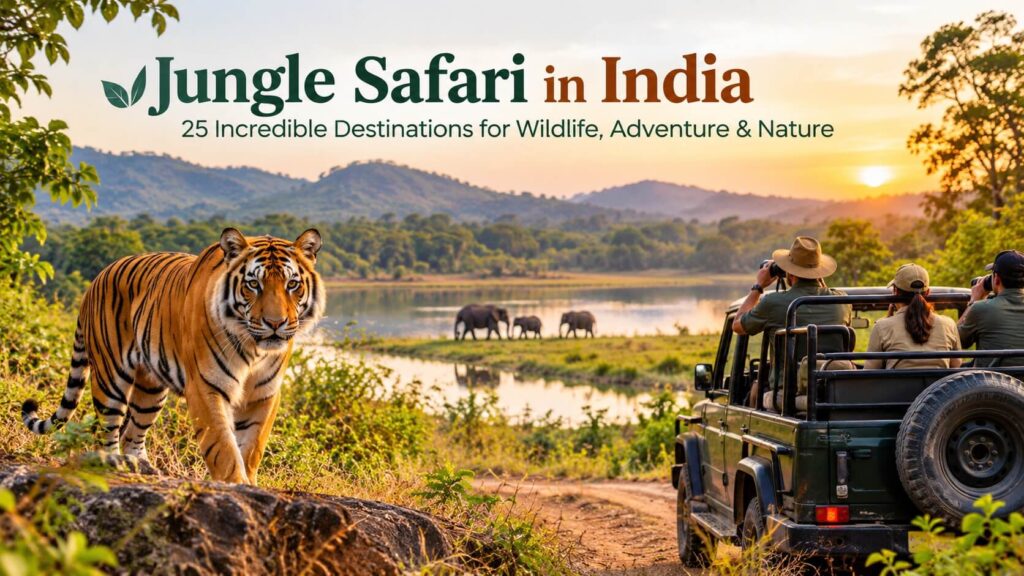
A typical safari lasts around 2 to 2.5 hours, conducted in open 4×4 jeeps with trained drivers and expert naturalist guides. Safaris usually take place early in the morning or late in the afternoon—prime hours when wildlife is most active.
As your vehicle moves through narrow forest tracks lined with dhok trees and thorny bushes, the anticipation builds. Alarm calls from langurs or peacocks often signal the presence of a predator nearby. And then, suddenly, you may find yourself face-to-face with a leopard—resting on a rocky outcrop or moving silently through the bushes.
It’s this intimacy and frequency of sightings that sets Jhalana apart—you’re immersed in the wilderness almost instantly.
More Than Just Leopards
While leopards are the highlight, Jhalana’s ecosystem supports a variety of wildlife species:
- Striped hyenas, occasionally spotted during quieter safaris
- Desert foxes darting across open clearings
- Blue bulls (nilgai), India’s largest antelope
- Spotted deer and wild boars
- Rich birdlife including owls, eagles, and peacocks
For birdwatchers, the park becomes even more rewarding during winter, when migratory species arrive.
Ideal for Short Wildlife Experiences
One of Jhalana’s biggest advantages is its accessibility:
- Just 15–20 minutes from Jaipur International Airport
- Perfect for half-day or one-day excursions
- A great add-on to the Golden Triangle itinerary (Delhi–Agra–Jaipur)
This makes it especially appealing for travelers who want a quick yet authentic safari experience without venturing deep into remote forests.
Best Time to Visit
Jhalana is open throughout the year, but the ideal time to visit is from October to April, when the weather is pleasant and wildlife activity is high.
During summer (May–June), sightings can be even more frequent as animals gather near water sources, though temperatures can be intense.
Responsible Tourism and Conservation
Jhalana Leopard Safari Park is not just a tourist attraction—it’s a conservation success story. Once a neglected forest, it has been transformed into a protected reserve through the efforts of the Rajasthan Forest Department.
The park plays a crucial role in:
- Protecting urban wildlife habitats
- Reducing human-wildlife conflict
- Promoting eco-tourism in Rajasthan
Visitors are encouraged to follow strict guidelines—avoid littering, maintain silence, and respect wildlife.
Tips for a Great Safari
- Book in advance: Safaris are in high demand
- Choose early morning slots: Better light and higher activity
- Carry essentials: Sunglasses, hat, camera, binoculars
- Dress in neutral colors: Blend into the environment
- Follow your guide: Their experience enhances sightings
Where Luxury Meets Wilderness
Jaipur is renowned for its heritage hotels and luxury experiences. A visit to Jhalana can be perfectly paired with a stay in a royal palace hotel—offering a seamless blend of wildlife adventure and regal comfort.
Imagine starting your morning with a leopard safari and returning to a heritage property for a lavish breakfast—this is where India’s royal charm meets its wild soul.
A Hidden Gem Worth Discovering
In a country known for vast national parks, Jhalana stands out for its simplicity, accessibility, and thrilling encounters. It proves that you don’t need to travel deep into the jungle to experience the wild—sometimes, it exists right beside a bustling city.
Final Thoughts
A visit to Jhalana Leopard Safari Park is more than just a safari—it’s a reminder that nature thrives in unexpected places. It’s where the energy of the city fades into the silence of the forest, and every turn offers a chance for discovery.
If you’re planning a trip to Jaipur, don’t stop at forts and palaces. Step into the wild—even for a few hours—and you might just encounter one of India’s most magnificent predators.