

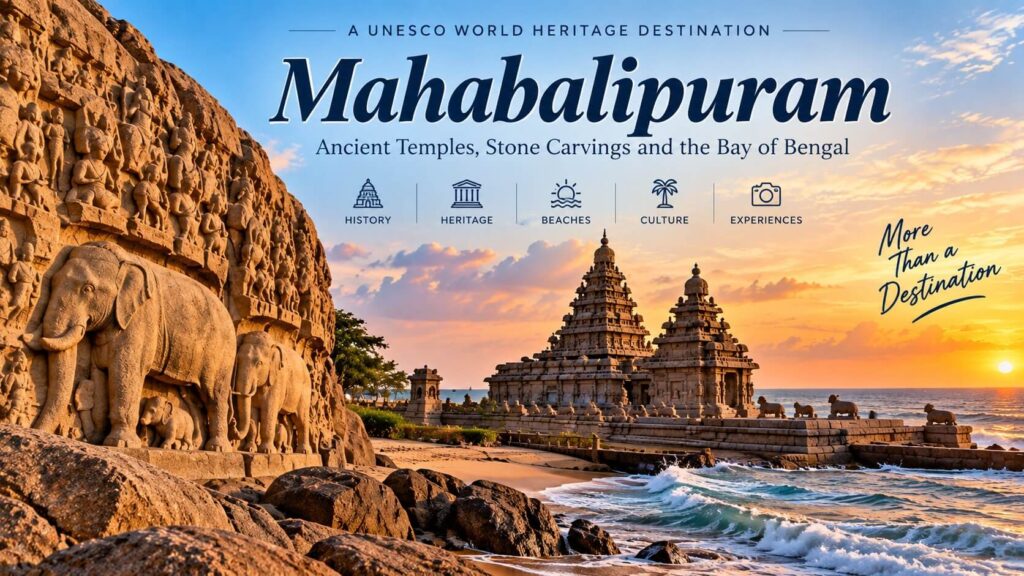
On the shores of Tamil Nadu, where ancient stone monuments meet the sparkling waters of the Bay of Bengal, lies Mahabalipuram, also known as Mamallapuram. Famous for its remarkable Pallava-era monuments, intricate rock carvings, beautiful temples and relaxed coastal atmosphere, this historic town offers a fascinating blend of heritage, culture and seaside charm.
Recognised as a UNESCO World Heritage Destination, Mahabalipuram is often described as an open-air museum. Its monuments, many dating back to the 7th and 8th centuries, showcase the extraordinary architectural vision and stone-carving skills of the Pallava dynasty.
For travellers exploring Tamil Nadu, Mahabalipuram is more than simply a sightseeing destination. It is a place where history can be experienced through monumental sculptures, ancient temples, traditional fishing communities and cultural experiences.
The months from October to February are particularly pleasant for exploring the destination.
Discovering Mahabalipuram: A UNESCO World Heritage Destination
Mahabalipuram was once an important port city under the Pallava dynasty. Today, its historic monuments stand as some of the finest examples of early South Indian architectural craftsmanship.
One of the most fascinating aspects of visiting Mahabalipuram is the variety of its monuments. Instead of being confined to a single temple complex, visitors encounter temples carved from granite, enormous bas-reliefs, rock-cut caves and monolithic structures spread across the destination.
A half-day sightseeing tour can cover the major highlights:
- Shore Temple
- Five Rathas
- Arjuna’s Penance
- Krishna’s Butter Ball
Travellers with a full day can explore these attractions along with:
- Fishermen’s Village
- Varaha Cave Temple
- Tiger Cave
- India Seashell Museum
This makes Mahabalipuram suitable for both short visits and more immersive heritage experiences.
Shore Temple: Mahabalipuram’s Iconic Landmark

Standing dramatically beside the Bay of Bengal, the Shore Temple is arguably the most recognisable monument in Mahabalipuram.
Built during the reign of Pallava King Narasimhavarman II in the early 8th century, it is regarded in the source material as one of the oldest structural stone temples in South India.
The temple’s seaside setting adds to its appeal. Granite architecture, the sound of the sea and the historic character of the monument combine to create one of the most memorable experiences in Mahabalipuram.
The Shore Temple forms part of the UNESCO World Heritage-listed monuments of the destination and is an essential stop on any Mahabalipuram itinerary.
Timings: 6:00 hrs to 18:00 hrs
Entrance: Foreigners – Rs. 600 | Indians – Rs. 40
Holidays: No holidays
Five Rathas: Monolithic Marvels of Pallava Architecture

The Five Rathas, also called the Pancha Pandava Rathas, offer another remarkable glimpse into the architectural experimentation of the Pallava period.
Each ratha has been carved from a single piece of granite, with individual structures displaying distinctive architectural forms. Although the monuments were never completed, their unfinished nature makes them particularly interesting for visitors wanting to understand the techniques and craftsmanship of ancient stone architecture.
The intricate forms and monumental scale demonstrate the skill of Pallava artisans and make the Five Rathas one of the essential heritage experiences in Mahabalipuram.
Timings: 6:00 hrs to 18:00 hrs
Holidays: No holidays
Arjuna’s Penance: A Monumental Open-Air Bas-Relief

Few monuments in Mahabalipuram demonstrate the artistic abilities of Pallava sculptors as dramatically as Arjuna’s Penance.
Carved across two enormous granite rocks, this monumental open-air bas-relief features a fascinating collection of gods, sages, animals and mythological figures.
The monument is commonly interpreted as depicting Arjuna performing penance to Lord Shiva, while another interpretation associates it with the descent of the River Ganga to Earth.
Among the many sculptural details, the elephants are particularly impressive. Their lifelike appearance and carefully carved forms are a testament to the extraordinary attention to detail of the artisans.
Timings: 6:00 hrs to 18:00 hrs
Holidays: No holidays
Krishna’s Butter Ball: A Boulder Wrapped in Legend

Not every attraction in Mahabalipuram is a temple or carved monument.
Krishna’s Butter Ball is a gigantic granite boulder that appears to balance impossibly on the slope of a hill.
Its unusual name comes from the local association with Lord Krishna’s childhood love of butter. According to legend, attempts were once made to move the massive boulder using elephants, but the rock remained firmly in place.
Today, it is one of Mahabalipuram’s most unusual landmarks and a popular photography stop.
Timings: 6:00 hrs to 18:00 hrs
Holidays: No holidays
Varaha Cave Temple: An Ancient Rock-Cut Sanctuary

Dating back to the 7th century, the Varaha Cave Temple is an excellent example of Pallava rock-cut architecture.
Dedicated to Lord Vishnu in his Varaha incarnation, the temple contains beautiful stone carvings inspired by Hindu mythology.
For travellers interested in the evolution of South Indian temple architecture, the cave provides another perspective on the craftsmanship that defines Mahabalipuram.
Timings: 6:00 hrs to 18:00 hrs
Holidays: No holidays
Tiger Cave: A Quiet Heritage Stop

Located approximately 4 km north of Mahabalipuram, Tiger Cave is another interesting monument associated with the Pallava period.
Its entrance is decorated with distinctive Yali carvings, depicting mythical lion-like creatures that are sometimes mistaken for tiger heads.
Unlike some of Mahabalipuram’s busier attractions, the open setting of Tiger Cave offers a more peaceful experience while still allowing visitors to appreciate the area’s ancient stone craftsmanship.
Timings: 6:00 hrs to 18:00 hrs
Entrance: Foreigners – Rs. 300 | Indians – Rs. 20
Holidays: No holidays
Experience Mahabalipuram’s Traditional Fishing Village
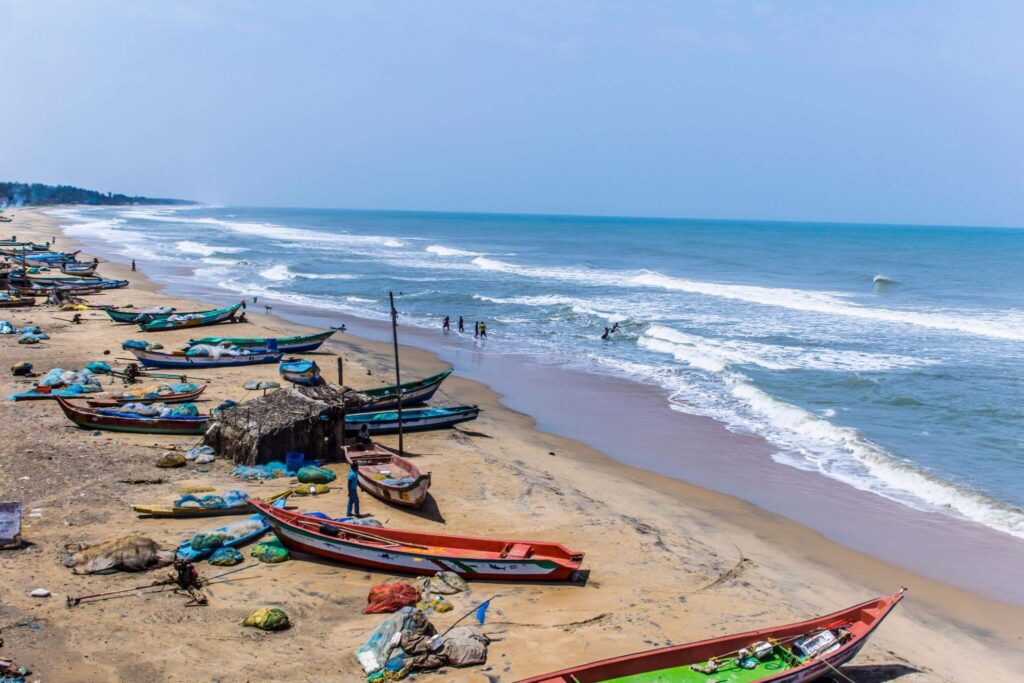
Mahabalipuram is not only about monuments. A visit to a traditional fishing village can introduce travellers to another side of local life.
With an English-speaking guide, guests can explore the village, see colourful fishing boats and traditional fishing nets, and visit a local temple while learning about the everyday life of the fishing community.
Subject to availability and the willingness of a local family, visitors may also have an opportunity to visit a fisherman’s home and interact with the family.
The experience generally lasts 30 minutes to one hour and is best enjoyed in the morning.
Dress code: Casual, comfortable clothing recommended.
For guests wanting to explore independently, a normal bicycle ride can also be arranged, allowing travellers to cycle around Mahabalipuram and enjoy its scenic surroundings.
Chennai to Mahabalipuram: En-Route Experiences
The journey from Chennai to Mahabalipuram can itself become part of the travel experience. Two different combinations are suggested in the source material.
Option 1: DakshinaChitra & Muttukadu
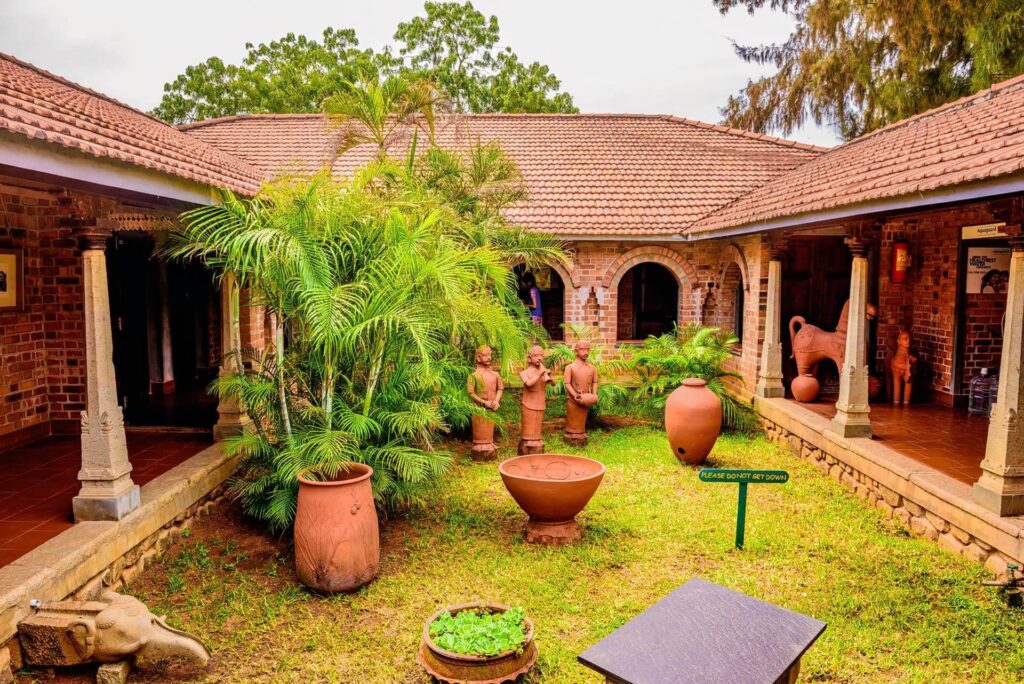
DakshinaChitra is a living heritage museum on the East Coast Road between Chennai and Mahabalipuram.
Designed like a traditional village, it showcases heritage homes from Tamil Nadu, Kerala, Karnataka and Andhra Pradesh. Visitors can explore traditional architecture, crafts and cultural activities while gaining a broader understanding of South Indian lifestyles.
Timings: 10:00 hrs to 18:00 hrs
Entrance: Foreigners – Rs. 350 | Indians – Rs. 175
Closed: Tuesdays and Diwali
Nearby, Muttukadu offers a change of scenery. This scenic backwater destination is known for calm waters, boating and water-based activities. It is a pleasant place to take a short break while travelling along the East Coast Road.
Option 2: ISKCON Temple & Nithya Kalyana Perumal Temple
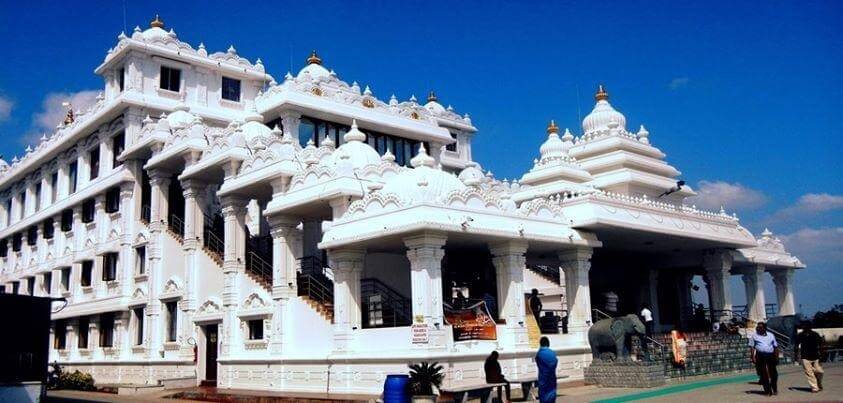
The ISKCON Temple on Chennai’s East Coast Road is dedicated to Lord Krishna and Radha. Its architecture, beautifully decorated deities and peaceful surroundings make it a suitable spiritual stop on the journey towards Mahabalipuram.
Timings: 7:30 hrs to 13:00 hrs and 16:00 hrs to 20:30 hrs
Further along the route, Nithya Kalyana Perumal Temple at Thiruvidanthai is an ancient Vishnu temple dating to the Pallava period. It is one of the 108 Divya Desams and is particularly associated with blessings for marriage and family life.
Located approximately 16 km from Mahabalipuram, it can conveniently be incorporated into an en-route itinerary.
Timings: 6:00 hrs to 12:00 hrs and 15:00 hrs to 20:00 hrs
India Seashell Museum: A Family-Friendly Attraction
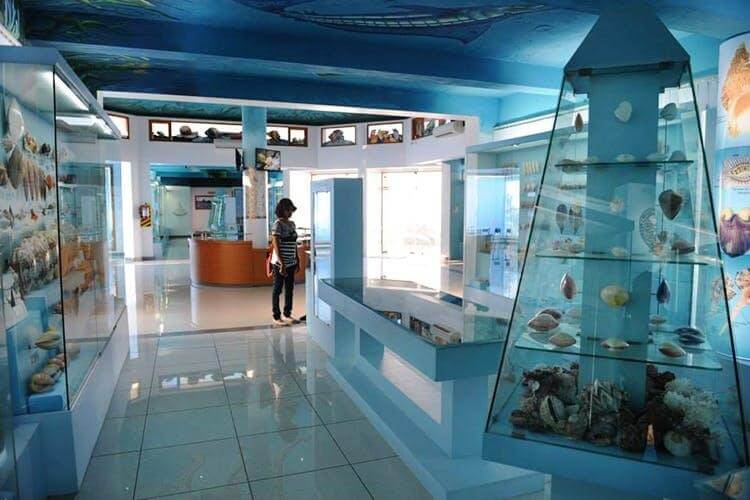
For something different from the ancient monuments, travellers can visit the India Seashell Museum near Mahabalipuram.
The museum features an extensive collection of rare and colourful seashells from around the world. It also includes a pearl museum, aquarium and marine-life displays.
The attraction can be particularly enjoyable for families, children and nature lovers.
Timings: 9:00 hrs to 18:00 hrs
Entrance: Rs. 300 for foreigners and Indians
Madras Crocodile Bank: A Wildlife Experience
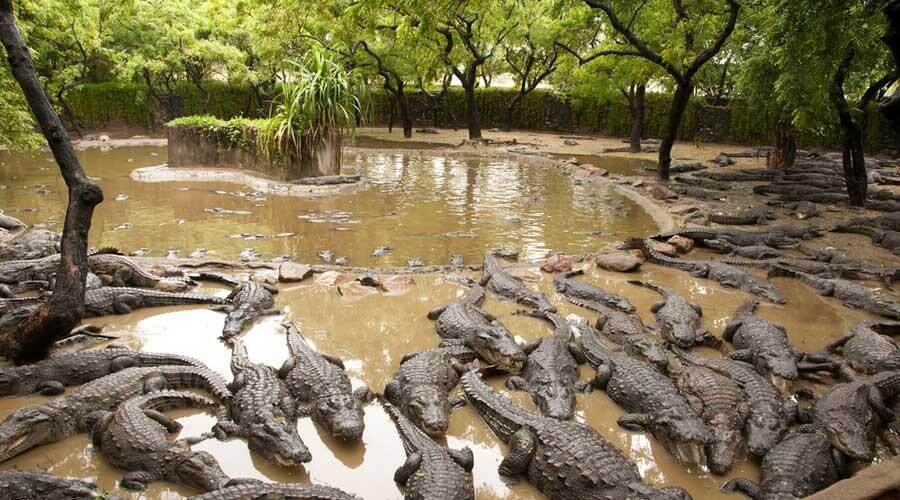
Located along the East Coast Road near Mahabalipuram, the Madras Crocodile Bank was established in 1976 as a centre for crocodile conservation and protection.
Today, the attraction features crocodiles, turtles, snakes and lizards and is known for its conservation and breeding programmes.
It can be an interesting addition for families, children and wildlife enthusiasts, particularly when travelling between Chennai and Mahabalipuram.
Entrance: Rs. 100 for both foreigners and Indians
Holiday: Monday
Mamallapuram Dance Festival: Heritage Meets Performing Arts
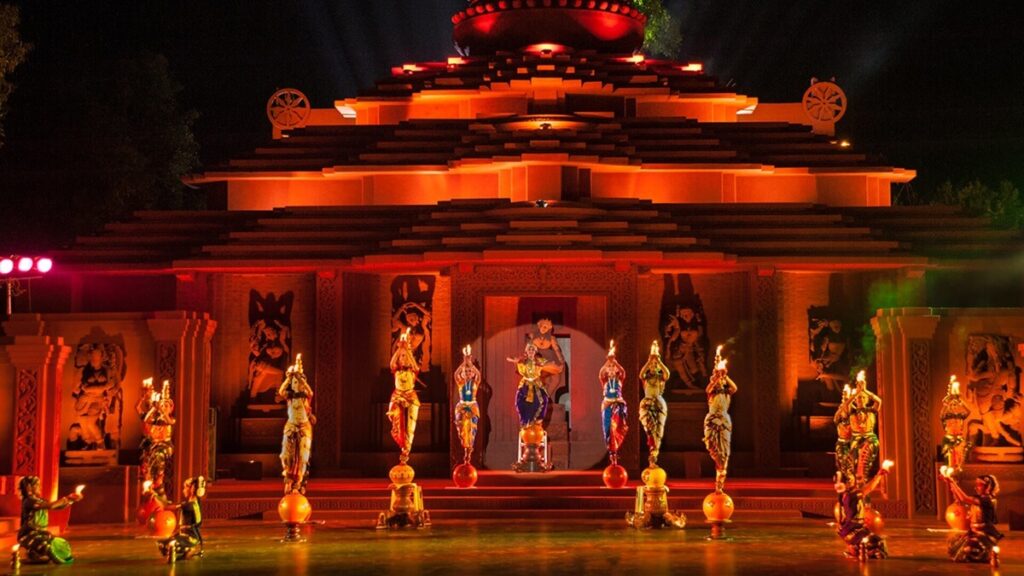
If your visit coincides with the festival season, the Mamallapuram Dance Festival offers an especially memorable cultural experience.
Held annually during December–January and organised by the Tamil Nadu Tourism Department, the festival features Indian classical and folk-dance performances in an open-air setting.
The backdrop of Mahabalipuram’s ancient Pallava monuments creates a unique atmosphere where performing arts and heritage come together.
Festival dates and duration can vary each year, so they should be reconfirmed before including the festival in an itinerary.
Where to Stay in Mahabalipuram
Mahabalipuram offers accommodation across several categories, including luxury resorts, deluxe properties, standard hotels and economy options.
Luxury Accommodation
Options include:
- Kaldan Samdura – Luxury, private beach
- Fishermans Cove – Luxury, private beach
- Sheraton Grand – Luxury, private beach
- InterContinental – Luxury, private beach
- WH Kences – Luxury
- ISAI Karai Bungalow by CGH – Luxury
Deluxe Accommodation
- Radisson Temple Bay – Deluxe, private beach
- Coral Beach Resort – Deluxe, private beach
- Grande Bay Resort – Deluxe, private beach
- Four Points by Sheraton – Deluxe
- MGM Beach Resort – Deluxe, private beach
- Chariot Beach Resort – Deluxe, private beach
Standard & Economy Options
Standard choices include Ideal Beach Resort, Marutham Village Resort, Madras Chronicle Bay Resort and Grand Continent.
Economy options include Mamalla Heritage, Golden Sun and Landmark Pallava.
For travellers seeking a more private stay, villa options listed in the source include Isles Beach B&B by Luxunlock, Palmyrah and Cove Beach Villa.
What to Eat in Mahabalipuram
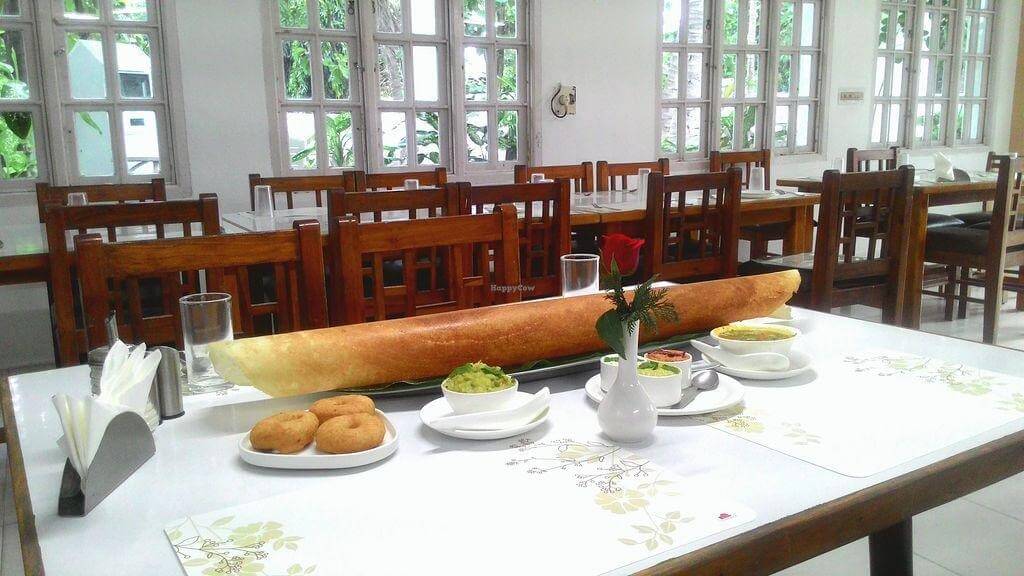
A coastal destination naturally invites travellers to explore its seafood and South Indian cuisine.
For seafood, the suggested local restaurants include:
- Bambino Restaurant
- Santana Beach
- Moon Racker
- Sea Rock Restaurant
For South Indian cuisine, Guru Restaurant offers both vegetarian and non-vegetarian choices, while A2B is suggested for South Indian vegetarian food.
For lunch or dinner, Mamalla Heritage is also recommended in the source material as a good dining option for guests.
How to Experience Mahabalipuram in a Day
If you have only one day, begin with the destination’s principal heritage monuments. Start with the Shore Temple, followed by the Five Rathas, Arjuna’s Penance and Krishna’s Butter Ball.
If time permits, continue to the Varaha Cave Temple and Tiger Cave.
A longer day can include the Fishermen’s Village, offering a glimpse into local coastal life, followed by the India Seashell Museum.
For travellers arriving from Chennai, an en-route stop at DakshinaChitra and Muttukadu, or ISKCON Temple and Nithya Kalyana Perumal Temple, can add cultural and spiritual depth to the journey.
Best Time to Visit Mahabalipuram
According to the provided destination information, October to February is particularly pleasant for visiting Mahabalipuram.
This period is also attractive for travellers interested in experiencing the Mamallapuram Dance Festival, which is held during December–January, subject to annual dates.
Why Mahabalipuram Belongs on Your Tamil Nadu Itinerary
Mahabalipuram brings together several experiences within a compact coastal destination.
You can stand beside an ancient temple overlooking the Bay of Bengal, admire enormous granite carvings, explore monolithic rathas, hear stories surrounding a seemingly impossible boulder, cycle through the town, meet members of a traditional fishing community and discover South India’s living cultural traditions.
Its greatest appeal lies in this combination of heritage, architecture, craftsmanship, culture and coastal atmosphere.
Whether you visit Mahabalipuram for half a day, spend a full day exploring its monuments or incorporate it into a longer Tamil Nadu journey, the destination offers an experience that goes beyond conventional sightseeing.
Mahabalipuram is, ultimately, a place where the stone tells stories—and the sea provides the backdrop.
FAQs About Mahabalipuram
Mahabalipuram, also known as Mamallapuram, is famous for its UNESCO World Heritage-listed Pallava monuments, ancient temples, rock-cut architecture, stone carvings and coastal setting along the Bay of Bengal.
The major attractions include the Shore Temple, Five Rathas, Arjuna’s Penance, Krishna’s Butter Ball, Varaha Cave Temple and Tiger Cave. Visitors can also explore the Fishermen’s Village and India Seashell Museum.
A half-day is suitable for visiting the main monuments such as the Shore Temple, Five Rathas, Arjuna’s Penance and Krishna’s Butter Ball. A full day allows travellers to add attractions such as Tiger Cave, Varaha Cave Temple, Fishermen’s Village and India Seashell Museum.
The period from October to February is particularly pleasant for visiting Mahabalipuram.
The Shore Temple, Five Rathas, Arjuna’s Penance, Krishna’s Butter Ball, Varaha Cave Temple and Tiger Cave are generally open from 6:00 hrs to 18:00 hrs.
According to the provided information, the entrance fee is Rs. 600 for foreigners and Rs. 40 for Indians.
Visitors can see traditional fishing boats, fishing nets and a local temple while learning about the everyday life of the fishing community. Subject to availability, guests may also interact with a local family and visit a fisherman’s home.
Yes. The journey between Chennai and Mahabalipuram can include en-route experiences such as DakshinaChitra and Muttukadu, or ISKCON Temple and Nithya Kalyana Perumal Temple.
DakshinaChitra offers an introduction to the traditional architecture, crafts and lifestyles of South India, while the Mamallapuram Dance Festival provides an opportunity to experience Indian classical and folk performances against the backdrop of Pallava monuments.
Yes. The India Seashell Museum and Madras Crocodile Bank are particularly suitable for families and children. The Seashell Museum features seashell collections, a pearl museum, aquarium and marine-life displays, while the Crocodile Bank focuses on crocodiles and other reptiles.
Mahabalipuram offers accommodation across luxury, deluxe, standard and economy categories, including several properties with private beaches. The source also lists luxury villa options for travellers seeking a more private stay.
Being a coastal destination, Mahabalipuram offers seafood as well as South Indian cuisine. Suggested seafood restaurants include Bambino Restaurant, Santana Beach, Moon Racker and Sea Rock Restaurant, while Guru Restaurant and A2B are suggested for South Indian cuisine.
Absolutely. With its 7th- and 8th-century Pallava monuments, UNESCO World Heritage status, rock-cut temples, monolithic structures and extraordinary stone carvings, Mahabalipuram is an excellent destination for travellers interested in history and heritage.